

The story began with a name on a building. Trump’s name was added to the front of the John F. Kennedy Center for the Performing Arts in Washington, D.C., in December 2024. That was enough for harmonica and drum player Chuck Redd, who had been in charge of the center’s annual Christmas Eve Jazz Jam for almost twenty years. He pulled out on December 19, five days before the show was supposed to happen. The show was free. He wasn’t bound by anything. But what came next was anything but easy.
In that time, Richard Grenell was in charge of the Kennedy Center. He told Redd that they would sue him for $1 million in damages. The center made a shocking accusation: they said Redd had broken a so-called “morals clause” by making a political statement when he told everyone why he was canceling. It said that his choice was an abuse of a public platform and used the cost of lost goodwill, wasted marketing, and preparation as proof of real harm. But from the outside, the numbers never quite added up. The show was free. There was no ticket money to lose.
From how this case developed, it seems like someone at the Kennedy Center really thot that the threat would be enough. Redd was given a settlement offer of $7,500, but he turned it down. Not surprisingly, he said that he had canceled early enough for a replacement to be found, that there was no contract, and that he was just one artist who had backed out of that show. In the end, the whole performance was canceled because many of the artists couldn’t make it. Redd was the only one who went public with his reasons.
Judge Tanya M. Jones Bosier of the D.C. Superior Court thot that detail was very important. In June, she threw out the Kennedy Center’s breach of contract suit because of the district’s anti-SLAPP law. This is a law that is meant to protect people who speak out about important issues from having to deal with expensive lawsuits. The judge made it clear that the center hadn’t lost any ticket sales because the concert was free, that the whole event fell apart because so many people had to cancel, and that Redd seemed to be singled out because he had spoken out about the name change. That observation is important. Some people think that the original lawsuit was more of a way to send a message than a breach of contract.
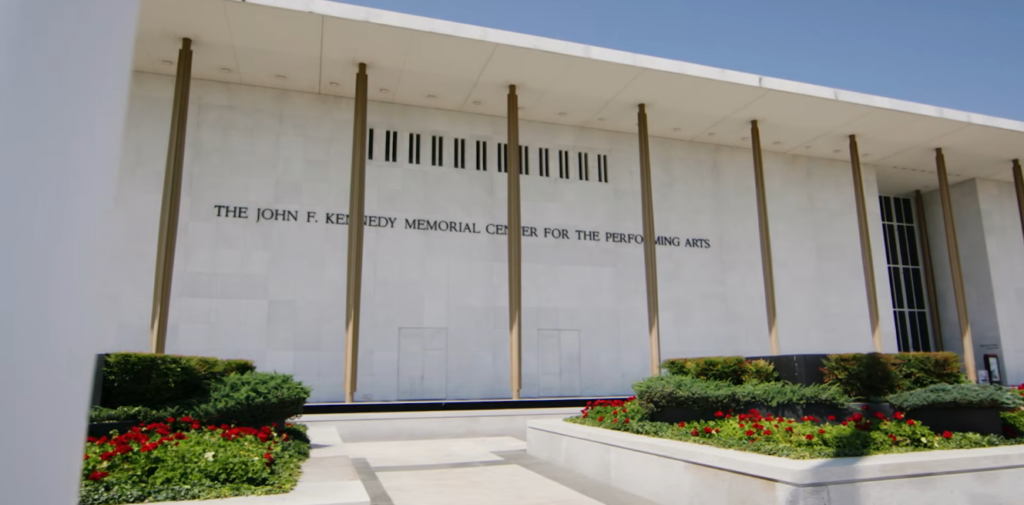
The second decision from Judge Bosier came out on Monday. The Kennedy Center has 45 days to pay Redd $252,479.70 in attorneys’ fees and legal costs. The center says it will file an appeal. Lisa J. Banks, Redd’s lawyer, said the decision was right and saw it as a rebuke of what she called an unjust and politically motivated action. An appeal might change the financial outcome, but it’s still not clear if it will fix the legal and reputational damage already done by the case.
This isn’t just a fight between an arts organization and one musician because of the bigger picture. In February 2025, Trump got rid of the Kennedy Center’s previous leaders and put close friends in their place. In the end, his name was taken off the front in June, after a board member successfully argued that the addition was illegal. The center’s future programming has been mostly put on hold. A federal judge has asked for updates on the company’s building plans, and the next step is expected to be decided at a board meeting this month. However, it is said that Democratic board members did not receive any materials to read before the meeting.
It wasn’t much that Chuck Redd did: he turned down a free event and told the organizers the truth about why. Pay attention to what happened next: the $1 million threat, the lawsuit, the anti-SLAPP dismissal, and the $250,000 fine. These events show how institutions act when they are under political pressure from above and want someone below to take the consequences. Redd took them in anyway. After that, a judge made sure that the costs went to a different place.
