

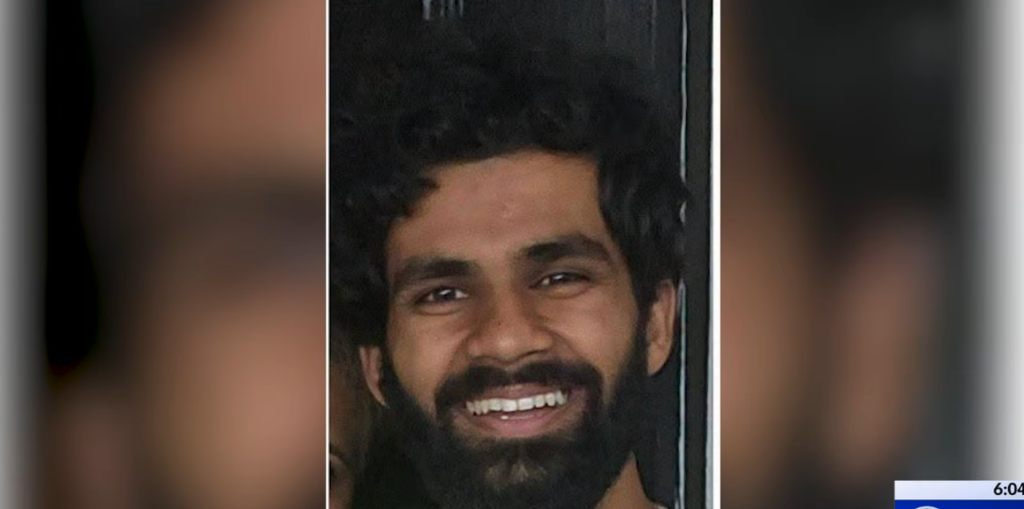
Sahil Jilani was last seen at the Riverstone Campground in Townsend, Tennessee, at approximately 8 p.m. on a Monday night. He was a 24-year-old Houstonian who, by all accounts, kept in touch with his family on a regular basis. He didn’t that evening.
His vehicle was discovered parked at the Abrams Falls trailhead in Great Smoky Mountains National Park by park officials on Wednesday. Near the falls, his clothes, keys, and phone were found. His body was retrieved from the water below by dive teams on Thursday. His family’s greatest fear was realized when the search, which had taken place over several tense days, came to an end.
About five miles into the park’s Cades Cove region is Abrams Falls. With a 20-foot cascade that attracts tens of thousands of visitors annually, it’s one of the most popular destinations in the whole national park system. From a distance, the clear, cold pool beneath it appears serene. It isn’t. The rocks near the base of the falls are slick with moss, and the currents are powerful and erratic. There are warning signs. They have been there for years, positioned in the same location following earlier incidents.
| Field | Details |
|---|---|
| Full Name | Sahil Jilani |
| Age | 24 years old |
| Hometown | Houston, Texas |
| Incident Location | Abrams Falls, Great Smoky Mountains National Park, Tennessee |
| Last Seen | Monday, October 6, 2026 — approximately 8:00 p.m. |
| Last Known Location | Riverstone Campground, Townsend, Tennessee |
| Vehicle Found | Wednesday, October 8, 2026 — Abrams Falls trailhead |
| Body Recovered | Thursday, October 9, 2026 — in the water at Abrams Falls |
| Items Found | Phone, keys, and clothes near the falls |
| Cause (Family Statement) | Caught in powerful currents near the waterfall; believed to have drowned |
| Sister / Family Spokesperson | Asma Jilani Bustamante |
| Family’s Message | Water safety awareness, share travel plans, carry satellite devices in remote areas |
| Search Conducted By | Great Smoky Mountains National Park rangers and dive teams |
| Official Reports | Pending at time of publication |
Sahil never went hours without communicating with his family, according to his sister Asma Jilani Bustamante. The family asked rangers for a welfare check after his location sharing stopped in what she referred to as a “dead zone.” They were informed that hikers frequently lose cell service in the backcountry, which makes sense. The family persisted in their efforts. Their anxiety continued to increase. The hours that pass between a missing person report and a response in a park this size and in such a remote location make it difficult to avoid feeling the weight of that waiting.
Sahil had intentions. actual ones. According to his family, he had aspirations of assisting his father with dental procedures, helping his mother retire, and paying her bills. He was eager to teach his niece self-defense and martial arts since he had just become an uncle. The specificity of that detail somehow causes the loss to land differently than statistics could.
Now, Bustamante is turning his sorrow into something more proactive. She advises hikers to consider carrying a satellite communication device in remote areas, to mentally prepare for cellular dead zones, and to share their travel plans before setting out. “A loved one who turns back from dangerous water because they are upset or disappointed is infinitely better than a deceased one,” she stated. That is a line that should endure.
Such incidents have previously occurred in Abrams Falls. It’s possible that some tourists get a false sense of security from the stunning scenery and reasonably accessible trails. The trail itself is not very challenging. It’s not getting to the falls that poses a risk, but what people do there is.
The family is trying to return Sahil’s body to Texas. After hearing the news, his mother was admitted to the hospital. There are still no official reports.
Reading everything the family has said gives me the impression that they are being kind during one of their darkest times, transforming their personal sorrow into a public warning. It’s worth considering whether enough people receive that warning before the next hiking season.
