

It takes a moment to fully grasp the irony that’s hidden in Kristin Cavallari’s divorce story. Her jewelry and skin care line, Uncommon James, gave her the courage to leave her marriage, but it was also something she had to give up in part when she left. Something like that will stick with you.
Cavallari told it like it was on the Aspire with Emma Grede podcast last week. Jay Cutler, her ex-husband, did not give her money. They agreed that as part of their divorce settlement, she had to pay him “half the value” of Uncommon James in cash and property. The brand she started and built, Uncommon James, was seen as a major asset in the marriage. And that’s important under Tennessee law.
Take a moment to think about that. Cavallari hasn’t hidden the fact that she started Uncommon James while she was still married to Cutler. In a legal sense, that deadline is important. When two people get married, the things they build together are often considered shared property, even if different people built them. Cavallari runs the business, owns it completely, and helped it grow, but when they got divorced, some of its value was still on their joint balance sheet. That would have been known by Cutler’s team.
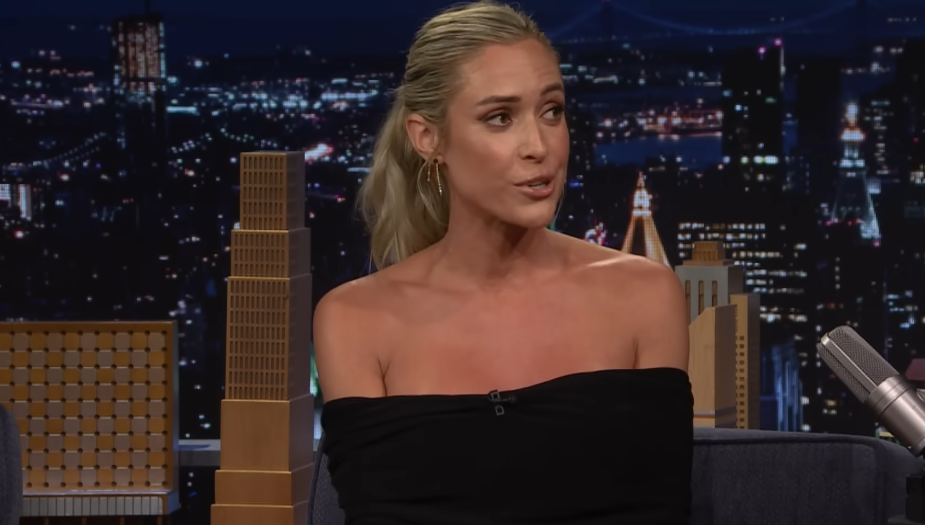
She told them she was “really pissed” at the time. What you said makes sense. She made something out of nothing, and leaving her marriage meant she had to pay for it by writing a check or giving up property. Her story is interesting, but not because she is angry. That’s how her view has changed. She calls it something she’s thankful for now that she thinks about it. She says that the stress made her fight harder. From the outside, it’s hard to tell if that’s real peace or just a storyline, but it seems real.
Cavallari has made a bigger story out of Cutler’s breakup, but Cutler has pushed back. During his twelve seasons in the NFL, he made about $127 million, and he has argued, and for good reason, that the idea of someone leaving a seven-year marriage in Tennessee with “not a penny” is illogical. He said that the divorce order is 67 pages long. He has said that her account of what happened is “reckless” and “borderline slander.” It looks like he’s really mad, even though the public argument between them is getting old now.
In all the back and forth, it’s easy to lose sight of what Cavallari is really saying. That doesn’t mean she thinks the divorce was fair or balanced. She is saying that Cutler did not give her any ongoing financial support, like alimony or a settlement check. The money went the other way. There is a difference between that claim and the one Cutler keeps answering, and both of them might be telling the truth even though they are describing the same legal document in different ways.
Cavallari doesn’t seem to care as much about rehashing the past as he does about making a point about how much independence really costs. In that frame, there’s something important to notice. Building financial independence during a marriage can make it harder for women to get what they’re entitled to when the marriage ends. James, for some reason, gave her the strength to leave. It also gave the other side more power in talks.
She kept them company. She kept her fans, her name, and her platform. Now that she sees where she is, the trade-off may have been worth it, even though she didn’t think so at the time.
