

The way this whole thing transpired has an almost cinematic quality. A $400 million countersuit, a PR smear campaign, and a lawsuit involving allegations of sexual harassment surround a domestic violence film that was adapted from one of the most popular romance novels of the previous ten years. This would likely be deemed excessive by someone in a studio meeting if a screenwriter pitched it. But in reality, this is what took place.
Actress Blake Lively filed the It Ends With Us lawsuit against director and co-star Justin Baldoni in December 2024. It started out as a workplace grievance and developed into one of the most closely watched legal disputes in Hollywood history. Lively alleged that Baldoni created a hostile environment on set through inappropriate behavior, and that when she raised concerns, his team launched a coordinated campaign to damage her public image. Baldoni denied everything, asserting that the disagreements stemmed from artistic differences rather than wrongdoing.
What followed was less like a legal proceeding and more like watching two separate PR wars being fought simultaneously in courtrooms and tabloids. Texts were unsealed. Emails surfaced. Ryan Reynolds got pulled in. So did Taylor Swift, briefly and somewhat surreally, after Lively listed her as a potential witness. Baldoni’s team sought to subpoena Swift, alleging she was used as leverage to pressure him into accepting script changes. Swift’s representatives denied any involvement. The court eventually voiced its own dissatisfaction and withdrew the subpoena.
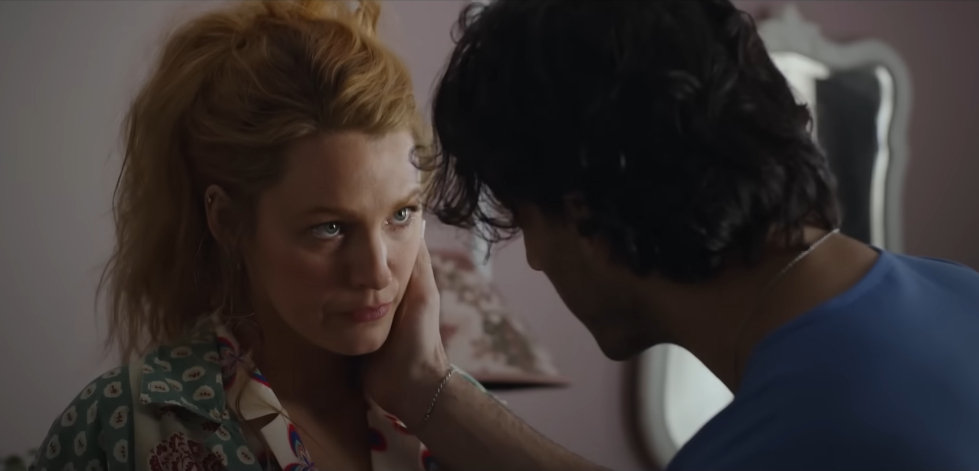
The sheer number of names involved, including Reynolds, Swift, Scooter Braun, and the entertainment company Hybe America, may have made it difficult to understand what was being argued in court. Both parties seem to have realized early on that the actual trial would not take place in a federal courtroom in New York. It was taking place in the court of public opinion, where stories spread more quickly than discovery motions, on social media, and in gossip columns.
Ten of Lively’s thirteen claims, including the allegation of sexual harassment, had been rejected by Judge Lewis Liman by April 2026. Retaliation, breach of contract, and aiding and abetting retaliation were the remaining three. In June 2025, Baldoni’s $400 million countersuit against Lively, Reynolds, and their publicist Leslie Sloane was completely dismissed. The parties reached a settlement two weeks prior to the planned trial. No money changed hands. A joint statement was issued. Both sides said they hoped for “closure.”
However, the case was not yet complete. Lively’s legal team filed a motion in late June 2026 requesting slightly over $8 million in attorney’s fees and costs, including $7.4 million in fees and approximately $539,000 in additional costs. They claimed that Baldoni’s defamation countersuit had been used as a weapon to exhaust and silence her. The document detailed “scorched-earth litigation tactics.” Judge Liman determined that Lively was entitled to reimbursement for those expenses, citing a California law intended to shield harassment complainants from retaliatory lawsuits. Baldoni and Wayfarer Studios, the ruling found, had produced no evidence of malice on Lively’s part.
One aspect of that filing merits attention. After a discount, Lively’s lawyers’ hourly rates, which were close to $2,200, were reduced by 15%. Even discounted, two years of high-profile federal litigation cost her team millions. That’s the machinery involved in even a “settled” Hollywood dispute.
It’s not the drama or the names of the celebrities that stand out when you watch this unfold over almost two years. It’s how blatantly the entire incident demonstrated the expense of filing a complaint at work when both parties’ reputations and power are at risk. Lively was not compensated financially. Baldoni’s countersuit was rejected. Both parties issued a statement about domestic violence awareness. It ends — as these things often do in Hollywood — with everyone moving forward, and no one quite saying what actually happened.
