

There is a certain kind of anger that builds up over time. Not the sudden kind, like a flat tire or a car accident, but the kind that happens every day. The kind you get when you’re stuck in traffic on the same stretch of road for days on end and don’t know if anything has moved since last Tuesday. That anger has a place in Kansas City: the Northland, off of 64th Street near Interstate 29 and the GoKC Bond Project. For many who live and work nearby, it feels like it will stay that way.
Troy Oliphant remembers that the building began about two months ago. But people have been angry about that corridor for a lot longer—years of road problems, patch jobs, and promises that never quite lived up to the pavement. “You never know when you’re going to come through here and they actually close one of the lanes,” he replied. “When they do close it, it’ll be backed up for a mile or better.” Oliphant and his wife just parked their car on the other side of the blockage and walked to their dentist appointment at one point. It wasn’t because it was easy. Since it was faster.
It says something that you can get around that. It’s not exciting. It’s just wise, which makes it worse in a way. People start to think about construction delays when deciding if they can keep a regular appointment. This means that the problem has moved beyond being an inconvenience and into an important part of daily life.
For five days a week, Logan Dawson makes pizzas at a nearby Papa Murphy’s. He is honest about it. “It’s brutal trying to take that right-hand turn,” he replied. “There was already a lot of accidents on this road as is.” He cares about more than just being late. He is seeing a road that was already thought to be dangerous get even more dangerous while workers work on a project that doesn’t seem to be ending on any clear schedule.
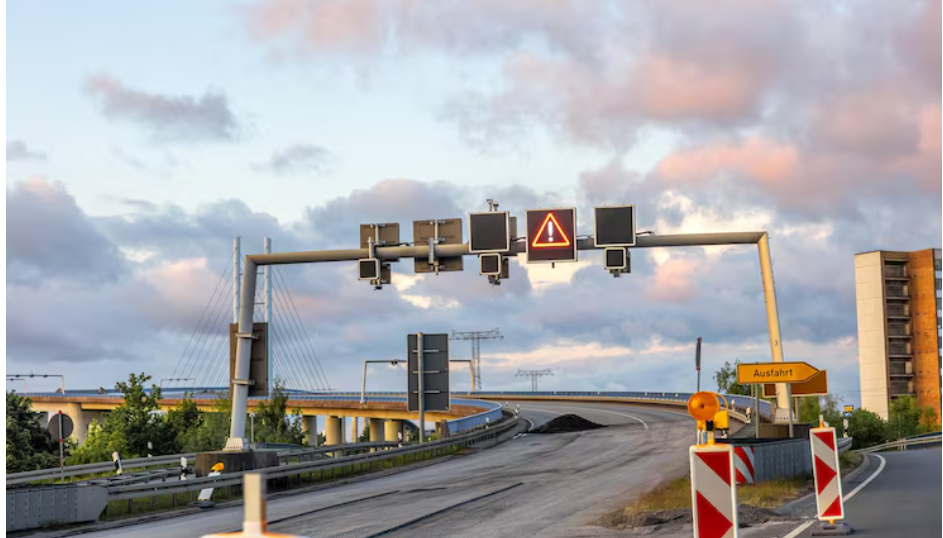
MoDOT and KDOT both say that the amount of construction work is normal, even taking into account the pandemic slowdown that changed many other industries. In Kansas, the IKE Transportation Plan moved 40 projects across the state into the development pipeline, which helped the state have a busy building season. That’s not nothing. But the bigger plan for the whole state is hard to understand when you’re stuck in a closed lane on a Tuesday morning.
The number of deaths on the roads makes everything more serious. Recent numbers show that 614 people died in traffic accidents in Missouri, which is 11% more than the previous year. Kansas also said that their numbers went up by 2.3%. These aren’t just numbers that belong in a press release. It’s a reminder that bad road conditions and drivers who don’t care about damaged infrastructure have real costs that don’t show up in the time it takes to build something.
At least some progress has been made in technology. A business called Cyvl recently drove LiDAR-equipped scanning equipment through the streets of downtown Kansas City. The system can rate the condition of the roads, the sidewalks, and the signs. It can also generate data that helps city officials choose which streets to fix first, instead of waiting for people to complain. This is the kind of proactive thinking that’s been missing. The city of Kansas City had the 10th most potholes in the country in 2024. Tenth. It’s not like that city just hit a rough patch. There is a problem with the structure of that city.
Councilman Crispin Rea has been pushing to look into new technologies like AI, drones, and scanning systems that could stop damage before it turns into a hole, a lawsuit, or a broken axle. If you’ve been driving these roads for a while, you might find his honesty refreshing or scary. “I don’t know what has worked and what hasn’t worked,” he said. “That’s why we’re directing staff to go figure it out.”
If Kansas City gets better data, it might change how it runs its streets. It’s also possible that the time between seeing a problem and fixing it will seem just as long to someone stuck in traffic on 64th Street watching a construction crew work at standard speed. The technology looks good. Carefully, the political will is starting to grow. But drivers who have been on this part of the Northland road for weeks or even years still feel like the finish line is far away and out of sight.
