

In the Wuanita Swedlund case, there’s one detail that’s hard to get past. A federal inspector got pictures of a Casey’s General Store worker’s schedule early in 2026. The pictures were sent by the person the inspector was supposed to be watching. The inspector looked at the schedule and saw that there wasn’t much free time. That’s where the conversation left off. It’s just a moment. But it does say something about how the law was applied in this case.
The 35-year-old Swedlund ran a licensed dog breeding kennel in Farmington, a small town in VanBuren County in the southern part of Iowa. In the three litters she had since July 2023, eight puppies had died, dogs were not getting enough water or medical care, and problems with the enclosures were fixed with duct tape that was already peeling off by the next visit. This was a worrying pattern that was noticed by federal inspectors from the Animal and Plant Health Inspection Service. The violations got worse. It turned out that the inspections were harder to get.
The USDA sued Swedlund, and court records show that inspectors repeatedly tried to set up visits at times that worked for both parties. They texted ahead to see if she was available, and they worked around her store shifts. This goes against what the agency has said it stands for. In federal court documents, a senior DOJ trial attorney told the judge that unannounced inspections are “critical” because breeders can hide sick animals or move them to another location before the inspectors arrive if they know ahead of time. It was known by the USDA. The text messages are in the court record, though.
Swedlund, on the other hand, says she couldn’t just leave a 17-year-old to let federal inspectors into the property. There’s no reason not to say that. But she turned down visits more than once when it was her own fault—work, a doctor’s appointment, or a change in her schedule. How kind you are will probably determine whether those delays were caused by real problems or on purpose. It seemed like at least one federal judge wasn’t feeling very kind. U.S. District Judge Stephen Locher said in his July decision that Swedlund’s failure to follow the rules went “well beyond bureaucratic handwringing.” He also said that the animals in her care had suffered needlessly.
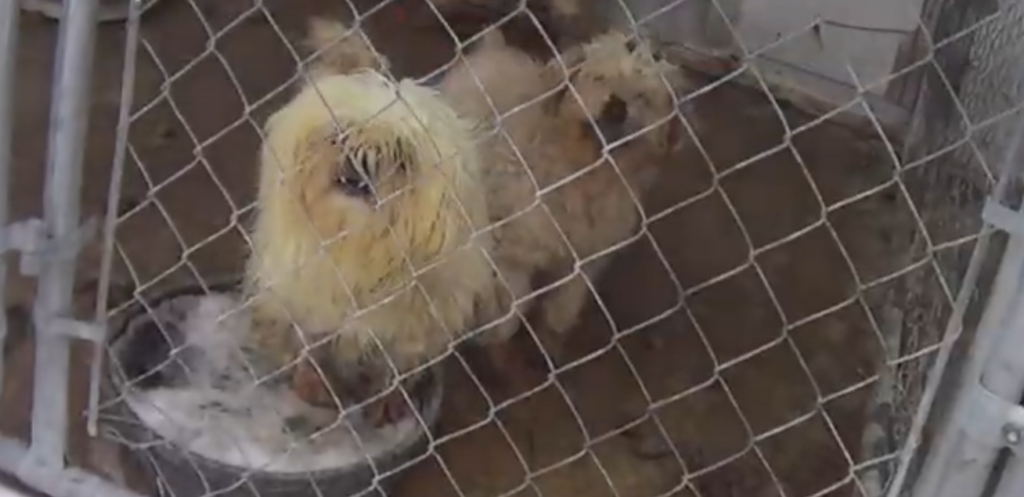
VanBuren County police showed up with a search warrant on June 30, 2026, and left with 32 dogs, one cat, and one rabbit. The three of Swedlund’s children, ages 11 to 17, were home alone when she had the seizure. Swedlund says the event made them very upset. Some of the animals, she says, helped kids who already have problems with anxiety and depression feeling better. “They didn’t sleep at all for the first three days,” she said. No matter what else is true about this story, you should pay attention to that part.
Still, by July 17, a state court judge had given all 34 seized animals to the PAW Animal Shelter in Fort Madison so that they could be adopted. The judge did this because they had not been given enough food, water, clean living conditions, or veterinary care. Swedlund says that all of her pets were fine. The court disagreed.
The fact that no one has been charged with a crime makes this case a little harder to brush off as a simple case of cruelty. At this point, Swedlund has not been charged with any crimes related to neglecting animals. It’s not clear if charges are still being thought about or if this is the end of the civil case. What she says is that it’s over in her eyes. She wants to leave town someday. She might buy the house and then sell it to pay for a move to the country.
Steve Kruse, another Iowa breeder with a history of breaking the Animal Welfare Act, owns the house she rents right now. It’s a quiet landing, but that detail doesn’t go away.
There’s a bigger question here about what federal oversight of animal welfare looks like when it’s overworked and inspectors have to send texts and wait for callbacks, and when months go by without getting a response to their messages between getting a license and actually enforcing it. There’s nothing really wrong with the system. In this case, it only looks like it was slow, which was long enough for some of those dogs.
