

There’s a type of airport renovation that always goes badly: delays last for years, costs go through the roof, and the end result feels like a compromise that everyone agreed to. There was something different that Kansas City International did. It was over 60 days early. It cost $45 million less than planned. And the building of the terminal makes it feel like a place worth going. Instances like that are so uncommon that they deserve a close look.
Some people were very loyal to the old KCI. There were three old terminals, a layout that made travelers who made a lot of connections angry, and a security system that hadn’t really kept up with how people use airports today. But everyone knew. People in the area would use the short walk from the gate to the curb as a gift for decades. What they got in exchange for that was something much bigger and better.
With the new $1.5 billion single terminal, which is the city’s biggest infrastructure project ever, all three of those buildings were replaced by a single, cohesive building designed by SOM and built using a Progressive Design-Build process that seemed to work as planned by most. From the beginning to the end, the design and construction teams were in close contact with each other. They made decisions quickly enough to avoid the kind of drift that sabotages deadlines on projects this size. The pandemic started in the middle of all of this. Still, the building opened on time.
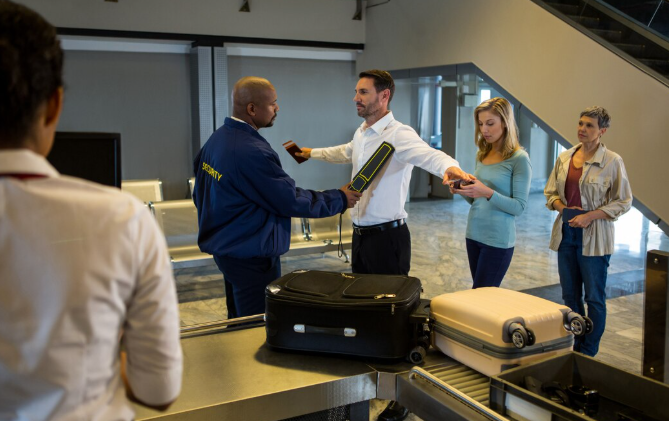
Now that I’m in the terminal, I feel calm, which doesn’t always happen in new airports. The infrastructure that keeps a busy airport running—the systems that handle bags, provide utilities, and keep things running—are hidden behind the walls, where they belong. Instead, there is a lot of natural light, 19 permanent art installations by Kansas City artists, and a concessions program with about 80% Kansas City businesses. It’s not as important as it seems that last detail. People who are arriving for the first time don’t eat at a chain they’ve seen at every other airport. They are getting something that is unique to the city they landed in.
The terminal was also certified as LEED Gold, making it the first building of its kind in the Midwest to do so. The parking structure has solar panels that make electricity all year, and a planned solar farm will add more. It will be interesting to see if those goals are kept over time, since airports’ environmental promises have a troubled past. At least the infrastructure was built with growth in mind.
The work that was done to make the design inclusive may be the most quietly important detail. There is a sensory room, a quiet room, and an accessible link between the concourses. These are not unfinished ideas tucked away in a corner. They’re a big part of the play. In ways that designers rarely take into account, airports can be too much to handle. At least this one tried to take that into account.
The economic side of things comes next. The team set a voluntary goal of getting 35% of the participants to be underutilized businesses in Kansas City that are owned by women and minorities. They were not needed to. In the end, they gave more than $320 million to 133 local businesses. That’s a good number, and it shows that the project considered more than just the building itself when it came to its impact on the city.
Since the opening, record numbers of people have used it. The city is already moving forward with plans to add more gates and terminal space. There is still no clear answer to the question of whether KCI will really be the kind of airport that changes how people see the metro, brings in new routes, and affects regional growth. The base is now there, though, where it wasn’t before. The most important infrastructure stories aren’t always the ones that get the most attention.
