

The full moon makes you feel safe in a quiet way. Every month, it just appears out of nowhere and hangs over the rooftops. Most people take a quick look at it before going back inside. The full moon in July, though, is known as the “Buck Moon,” and it can make you stop for a little longer than you had planned.
At 10:36 a.m. EDT on July 29, 2026, in the morning, the Buck Moon was brightest. Because of that, the technical peak will happen in the middle of the workday, which is not ideal. But that doesn’t really matter because you can see a full moon for a day or two before and after its peak. The real show is after sunset, when it rises above the horizon and turns that deep, warm orange color that pictures can never quite capture.
Natural things are where the name comes from, not myths. Every year, bucks, which are male deer, grow a whole new set of antlers. That growth speeds up in July. Between June and July, antlers can grow up to two inches per week and are covered in velvet, a soft tissue. The name for this full moon comes from a strange biological fact that most people never think about. However, the name has stuck around longer than the cultures that came up with it. People in Native American and Colonial American cultures used the moon to help them figure out the seasons. The July moon told them that summer was officially over and that animals were changing.
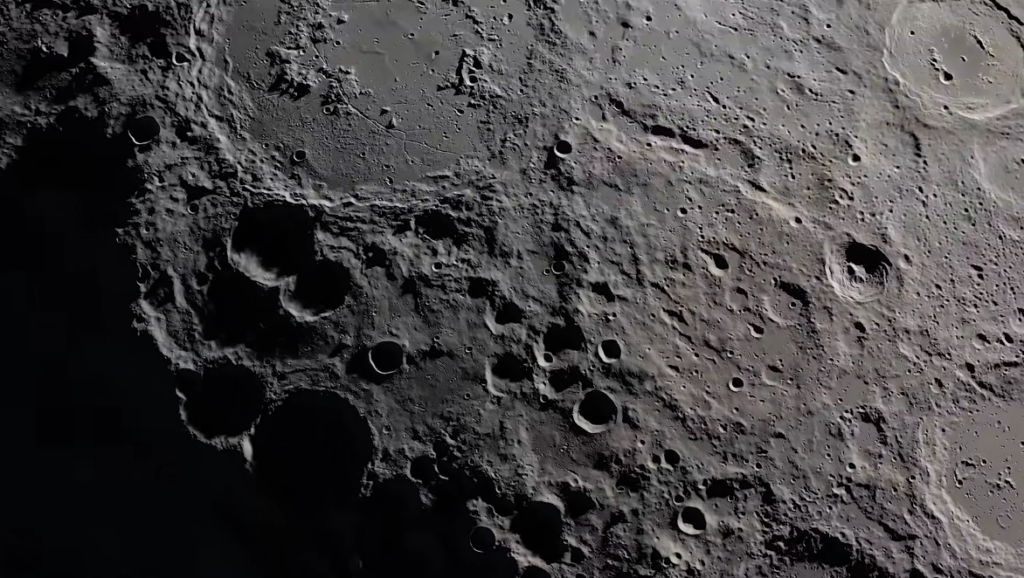
The moon is also known as the Thunder Moon because of the strong afternoon storms that happen in the middle of summer, the Berry Moon because wildberries ripen around this time, and a few other names that depend on who you ask. The idea that different people could see different things in the moon when they looked up at the same sky is kind of poetic.
In some parts of Middle Tennessee on Wednesday night, the timing was very good. Nashville’s sunset was at 7:54 p.m. and the moon rose at 7:41 p.m., which is only a thirteen-minute difference. If you were lucky enough to see it, the moon rose above the southeast horizon just as the last bits of sunset color were washing over the sky. Every month, that kind of overlap doesn’t happen. When it does, the moon glows orange against a sloped sky, making it look almost too big to be real. This is because of the moon illusion, which says that the moon looks bigger close to the horizon than as it rises higher. But understanding the science behind it doesn’t really change the effect.
It’s important to note that the full moon in July is happening at the same time as a few active meteor showers. At the moment, both the Southern Delta Aquarids and the Alpha Capricornids are active. Their peaks happen one day after the Buck Moon’s. The catch is that meteors that aren’t as bright can’t be seen when the moon is full. Many people think the Perseids are one of the best meteor showers of the year. They peak on August 12, which is closer to the new moon and makes for much better viewing. The Buck Moon is the main event right now.
You don’t need any gear to get the best view. There was no telescope, binoculars, or app that did more than check the weather. Anywhere with a clear view to the southeast or east will do. This could be a park, a rooftop, or a parking lot on the edge of town. Take a short walk outside after the sun goes down and wait. Early in the morning, when the moon is just above the horizon, it tends to look a little bigger and a lot more orange than it will an hour later. That’s the most interesting thing to see.
There will be five more full moons in 2026. The Sturgeon Moon in late August will have a partial lunar eclipse, and both November and December will have supermoons. All of those will have their time. In spite of this, it’s the Buck Moon’s turn now, on a warm July night with a lot of summer still in the air. It looks nice outside.
