

Will Ferrell has consistently placed bets on himself. His new Netflix series, The Hawk, feels a lot like the character he plays because of this tendency, which is a combination of confidence and stubbornness. A past-his-prime golfer, Lonnie “The Hawk” Hawkins believes he is just one strong round away from being relevant. Ferrell appears to be wagering on something similar as he returns to his first comedy TV show.
On July 16, 2026, all ten episodes of the series were released simultaneously in the traditional streaming format on Netflix. Ferrell, Harper Steele, and Chris Henchy collaborated on its creation, and David Gordon Green, whose versatility from prestige drama to broad comedy has always been a little perplexing and a little impressive, directed it in parts. The idea is simple: Lonnie wants to be the most disruptive person in every room he enters while winning the U.S. Open and completing the Career Grand Slam.
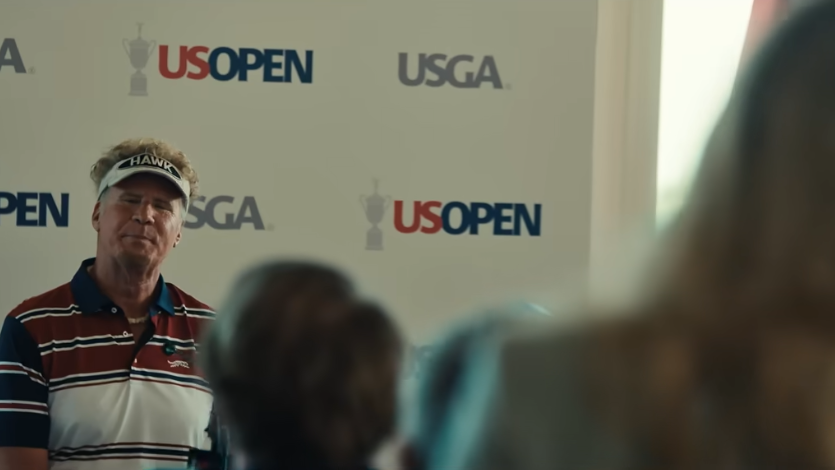
The critics weren’t nice. The series received a 31% approval rating on Rotten Tomatoes, with critics comparing it negatively to Talladega Nights. Variety described it as dull. It would primarily remind you of better golf comedies, according to the Hollywood Reporter. These reviews aren’t entirely incorrect, but they also don’t tell the whole story.
because viewers continued to watch. For at least three weeks following its debut, the show was among Netflix’s top five, which is not insignificant. Skepticism gradually gave way to reluctant fondness in Reddit threads. One user acknowledged that they turned it on as background noise with the intention of ignoring it, but by episode three, they were actually paying attention. Critics and the general audience seem to be watching two slightly different shows here.
The show excels at embracing its ensemble. Scenes that might otherwise drift into absurdity are grounded by Molly Shannon’s flustered sincerity as Lonnie’s estranged wife Stacy. Jimmy Tatro has excellent comedic timing in his role as Lance, the son attempting to escape his father’s massive and humiliating shadow. Sam, Lonnie’s new caddy with a complicated past, is portrayed by Fortune Feimster in some of the show’s best moments, especially around episode five when her backstory subtly surpasses the main plot in terms of genuine interest. Luke Wilson plays Golden Fisk, a rival who is just as easygoing and slightly menacing as the name implies.
Tho it doesn’t always deserve its emotional beats, the show’s plot follows a well-known arc: pride, failure, chaos, and an attempt at redemption. The most entertaining hour of the season is probably episode seven, which takes place in Vegas and features a $3 million simulation golf tournament between a father and son. Additionally, the show’s unique brand of dysfunction, messy family dynamics, exaggerated ego, and unexpected loyalty feel most alive there. It’s possible that the series would have been more successful if it had only had eight episodes instead of ten.
Even so, it’s difficult to completely discount something this at ease in its own peculiar energy. Ferrell is portraying a character he is familiar with, and this familiarity occasionally works to the show’s advantage. There are times when the humor shifts into something a little more genuine, such as a quiet conversation between Lonnie and Keith David’s Old Henry or a scene at Pebble Beach that makes more money than it should.
Prestige television is not what The Hawk is. It’s not attempting to be. It’s probably just the kind of show you watch on a Tuesday nite when you’re looking for something simple and occasionally unexpected. It was evaluated by critics in comparison to Ferrell’s best work. It appears that audiences are comparing it to a blank Tuesday nite. It passes the bar on that scale.
