

Larissa Nicole Rodriguez was seventeen years old, going to college, a cheerleader, and the president of her school’s student council. She seemed to have a lot of life ahead of her. In October 2025, she passed away in Weslaco, Texas. Heart problems from stress and drinking a lot of coffee were later found to be the cause by the medical examiner for Hidalgo County. Don’t drink. Don’t use drugs. She had nothing else in her body.
In April 2026, her family sued for wrongful death. The lawsuit wasn’t directly against Alani Nu or its parent company Celsius Holdings. Glazer’s Beer and Beverage of Texas was the company that sold Alani Nu products to H-E-B, which is where Rodriguez is said to have bought the drinks. The family wants $1 million in compensation. Benny Agosto Jr., their lawyer, held a tough press conference. Surrounded by Rodriguez’s parents and other family members, he talked about a girl who was active, healthy, and medically fine before the caffeine got to her.
One thing Agosto said stuck with people: Rodriguez herself was seen in photos from the opening of a Glazer’s warehouse, holding an Alani product. The company that is now denying all responsibility seems to have put on an event that she went to. That’s not proof in a court of law, but it’s the kind of detail that makes you think about something for a moment.
Glazer’s first answer came in at the end of May and denied all of the claims. The company says it is not the manufacturer of the products and did not change or modify them. It also says that enough warnings were given and that any damage was caused by other factors, which is legalese for saying that someone or something else is to blame. On the other hand, their filing suggests that Rodriguez may have caused her own death. It was no surprise that people didn’t like that line.
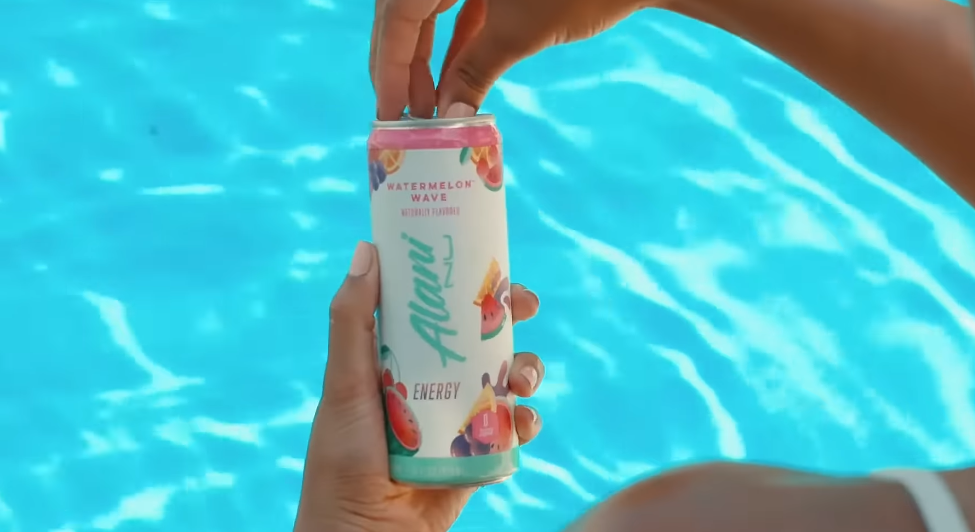
Each 12-ounce can of Alani Nu energy drink has 200 milligrams of caffeine in it. That’s about the same amount of coffee that’s in two regular cups, squished into a brightly colored, fruit-flavored drink that looks more like a warning label than a soda can. The brand has built its reputation on a soft, approachable look, with pastel-colored packaging, social media partnerships, a large following of fitness-related influencers, and a fan base that is mostly young women. It’s possible that the branding wasn’t directly aimed at kids, but it’s hard to say that it didn’t appeal to them.
Early in June, Texas Attorney General Ken Paxton started a formal investigation into Celsius Holdings because he was worried that the 200 mg of caffeine per can might be harmful for kids and teens. The investigation is looking into whether the company broke the Texas Deceptive Trade Practices Act by using misleading advertising. His office said that the bright packaging and fun design elements made them wonder who the product was really meant for. We don’t know if this investigation will lead anywhere, but it shows that Celsius and Alani are facing more than one civil suit in court.
Celsius Holdings, on the other hand, said in a statement that it felt bad for the Rodriguez family and that it takes product safety very seriously. It’s almost automatic to say something like that at this point; it doesn’t admit fault or say much. Canada had already recalled a number of energy drinks in 2023, including Alani Nu and Celsius, because of problems with the labels and amount of caffeine in the drinks. At the time, that recall didn’t make a lot of noise. It might now.
This case brings up a bigger issue that needs to be talked about. Energy drinks have been a bigger part of teen life for years. They are sold at all gas stations and grocery stores, and they are promoted on the same social media sites that teens spend all day scrolling through. People have mostly thought that they’re fine because they’re legal and easy to get. This case quietly and seriously makes that assumption less true. Whether or not a court holds Glazer’s responsible for Rodriguez’s death is not the same thing as whether or not the industry needs to take a closer look at who is drinking these products and what the risks are.
Agosto has said that he will file a new petition with changes. The case is still going on. In Weslaco, a family is sad, a distributor says he did nothing wrong, and the state attorney general is asking questions that the energy drink industry probably hoped would not be asked for a while longer.
