

When a large corporation determines that it is more cost-effective to pay than to continue the legal battle, a certain silence descends. After agreeing to pay more than $50 million to settle more than 200 lawsuits related to its popular HPV vaccine, Gardasil, Merck & Co. is essentially in that predicament this summer. According to the company, it is not acknowledging any wrongdoing. It never does. However, that dollar amount remains there, requiring some sort of explanation.
Gardasil, a vaccine intended to shield young girls and boys from the human papillomavirus, a sexually transmitted infection connected to cervical cancer and a number of other cancers, was first introduced in 2006 as a true medical breakthrough. Over 900 million doses were given out in about 150 countries over the course of almost 20 years. The vaccine generated $8.9 billion in yearly sales for Merck at its commercial peak in 2023. It was accepted by mainstream medicine. It was promoted by health agencies. Children were lined up for it by their parents.
The lawsuits followed. Following vaccination, the plaintiffs claimed a number of severe health issues, including postural orthostatic tachycardia syndrome, early ovarian insufficiency, seizures, autoimmune disorders, and early menopause. These are serious grievances. It was devastating for families to witness a teenage daughter lose her ability to conceive or develop a heart condition. Jennifer Robi, a California woman who was one of the plaintiffs, allegedly ended up in a wheelchair after developing what she described as a heart condition that she linked to the Gardasil she was given as a teenager. When the settlement was announced, her case was just weeks away from becoming the first Gardasil lawsuit decided by a jury.
The litigation itself was a convoluted process. By 2022, all federal claims had been consolidated in the Western District of North Carolina, under the direction of U.S. District Judge Kenneth D. Bell. When Merck filed for summary judgment in early 2025, bellwether trials—those early test cases intended to gauge juries’ potential reactions—were being prepared. Judge Bell essentially dismissed most of the lawsuits by ruling that federal law preempted state law failure-to-warn claims involving POTS and POI. The Fourth Circuit received an appeal from the plaintiffs. No, the appeals court ruled. However, the $50 million settlement still includes those dismissed cases, which begs the obvious question: why pay anything at all if Merck had already prevailed on the main legal issues?
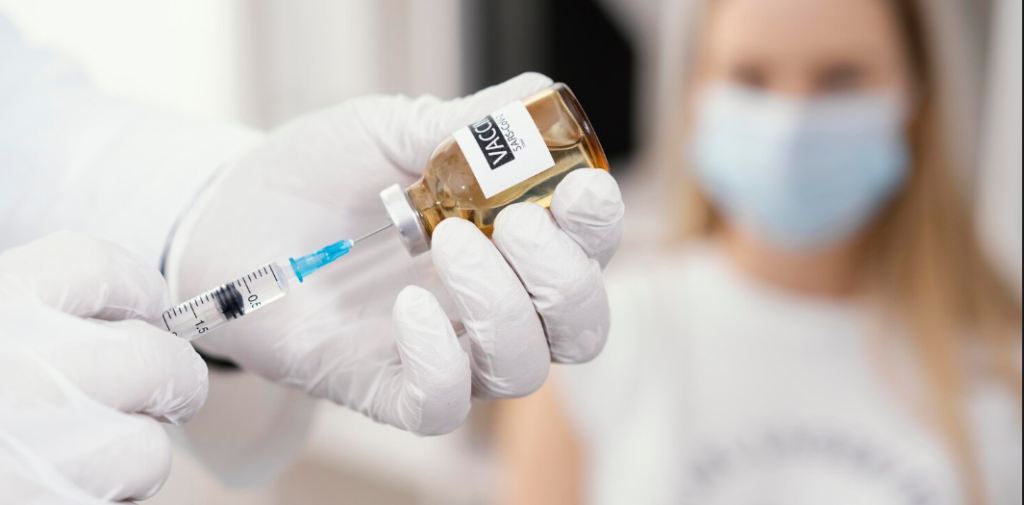
In essence, Merck’s response is mathematical. It would have cost more than $50 million to continue defending the remaining cases. From a corporate perspective, that calculation makes sense, but anyone who has been involved in this litigation for years tends to find this logic unsatisfactory. The business made it clear that it still fully supports Gardasil’s safety profile and that the agreement should settle all but one outstanding case.
It is impossible to overlook the political aspect as well. Before being appointed by President Trump, Robert F. Kennedy Jr., who is currently the U.S. Secretary of Health and Human Services, actively assisted in getting one of the Gardasil cases ready for trial. According to reports, he had a 10% referral fee arrangement linked to successful claims; however, he has since waived the fee. Merck is settling this lawsuit at a time when vaccine manufacturers are subject to a level of political scrutiny that would have seemed nearly unthinkable five years ago, and his long history as a vaccine skeptic now awkwardly intersects with his federal role.
Here, caution is advised. A settlement that does not acknowledge liability is neither proof that a product caused harm nor proof that it did not. Before a jury ever heard the evidence, the courts in this case largely sided with Merck. Courts are there to sort through precisely that kind of ambiguity. $50 million ends without addressing the question of whether the plaintiffs’ stories merited a more thorough hearing.
The relationship between patients, pharmaceutical companies, and the regulatory system is more delicate than the neat language of vaccine approval tends to suggest, as this episode may have shown. Even if the legal standard for establishing causation is never met, there is something worth looking into when hundreds of families report similar symptoms following the same product. Although the Gardasil lawsuits did not undermine public health science, they did highlight the system’s reliance on trust. Furthermore, it is much more difficult to rebuild trust after it has been damaged than it is to resolve a lawsuit.
