

Yes, Starbucks is being sued, and it’s not for a small thing. The law firm Hagens Berman filed a class-action lawsuit against one of the most well-known coffee brands in the world in January 2026. The lawsuit makes some very serious claims. It’s called Williams v. Starbucks Corporation and is being heard in the U.S. District Court for the Western District of Washington right now. It talks about two different but equally unsettling claims: that Starbucks has been lying to customers about how ethically it sources its coffee, and that some of its decaffeinated coffee products have chemicals in them that most people wouldn’t expect to find near a coffee cup.
The irony is hard to miss. Starbucks has worked hard for years to build a reputation for being responsible. It’s likely that the packaging will say something about farmer fairness, sustainability, or ethical sourcing if you go anywhere. For decades, the Coffee and Farmer Equity program, which the company calls C.A.F.E. Practices, has been a big part of that image. However, the lawsuit says that farms that were certified under that program have been found to have serious labor violations, such as unsafe working conditions, housing that isn’t good enough for workers, and breaking local labor laws over and over again. The complaint says that even though Starbucks knew about these violations, it didn’t tell the public what steps were being taken to fix them.
For most people, the chemical angle is probably more scary. Three volatile organic compounds—methylene chloride, benzene, and toluene—were found in Starbucks’ decaf house blend medium roast coffee by outside experts. These aren’t some weird industrial waste that you can find in small amounts in everything. The EPA says that methylene chloride, which was found at 22 parts per billion, is dangerous at any level of exposure. There were 28 parts per billion of benzoene, which is 23 times the amount that the EPA considers safe. Toluene, which was found at 87 parts per billion, is usually found in solvents and not drinks. For people who drink decaf coffee every day, that is a scary list to look at over breakfast.
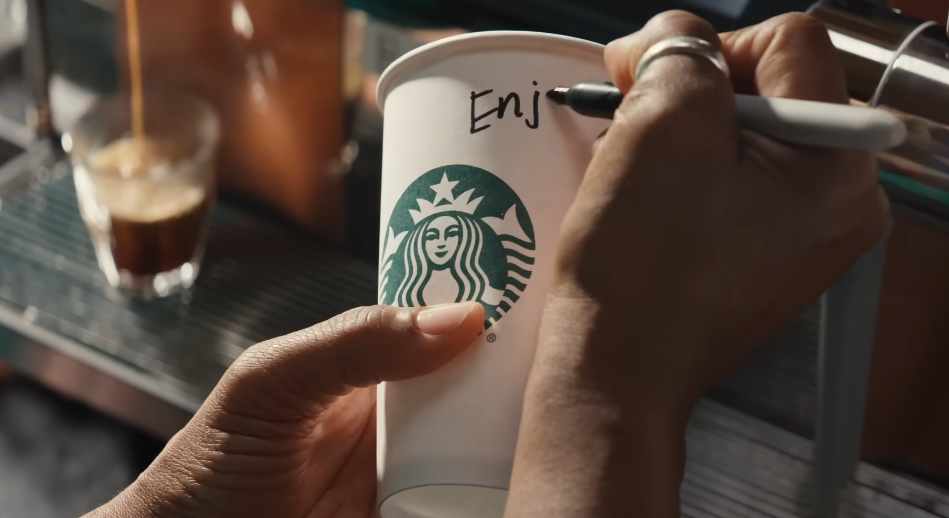
The coffee shop has fought back. A spokesperson for the company said the claims were “not true” and stressed that the company regularly inspects farms and takes action when violations are discovered, which may include terminating supplier relationships when needed. That’s a common answer from businesses, and it may be true in many situations. It may now be up to the courts to decide if it’s enough—if their auditing process really finds and fixes the things that the lawsuit says it does.
There is a bigger pattern here that is worth noticing. This is not the first time that Starbucks has been in trouble with the law for its coffee. Back in 2018, the company was sued in California over acrylamide, a chemical that is made when coffee beans are roasted. In the end, that case was thrown out in 2020, but it changed how people thought about it. In a separate lawsuit from 2024, the company was said to have charged more for non-dairy milk, which hurt some customers. This case seems more important than those two because it involves both ethics in the supply chain and direct health concerns.
The same thing has happened in Canadian law. A law firm called Actis Law Group has also filed a class action lawsuit against Canadians who bought Starbucks coffee products. The lawsuit makes almost the same claims about the VOCs and the ethical sourcing. Anyone in Canada who bought Starbucks coffee during the time period in question could be in the proposed class. That’s a big net.
It’s still not clear what will happen. It can take years for these kinds of class actions to end. They can be settled out of court, thrown out, or turn into the kind of lawsuits that make a business rethink how it gets its products and sells them. At least for now, it’s clear that Starbucks’ easy-going image—the premium cup that comes from farms that don’t use chemicals—is being looked at in a way that the company has mostly avoided for years. Whether that picture holds up in court is something that many coffee drinkers, not just lawyers, are now waiting to find out.
