

It is rare for fifteen states to go to court together over a vaccination schedule. Public health does not typically operate that way. However, a subtle and swift change occurred in January, and the consequences are still being felt.
The U.S. Department of Health and Human Services and the CDC’s decision to revoke the universally recommended status of seven childhood vaccines is at its core. No input from the public. No discussion using the conventional scientific methods. Public health officials nationwide claim that this policy change directly contradicts decades of medical evidence. Along with 14 other states, California co-led the lawsuit against what Governor Gavin Newsom described as “a reckless, unscientific childhood vaccine schedule that puts kids’ lives at risk.”
It’s difficult to ignore the timing. The number of measles cases, hospital admissions, and fatalities in the US is at its highest point in over 30 years. Health care providers are not taking that lightly by accident.
Robert F. Kennedy Jr., HHS, the CDC, and the CDC Director are the targets of the lawsuit. The Advisory Committee on Immunization Practices (ACIP) of the CDC, which is mandated by federal law to be independently staffed and scientifically balanced, is the focal point of the main legal argument. All 17 of the committee’s voting members were removed by RFK Jr. last summer. During his Senate confirmation hearing, he had sworn under oath that he would not do that. Nevertheless, he did it. Then, people who critics claim are anti-vaccine activists filled the empty seats. States contend that this directly violates federal regulations controlling the formulation of vaccine policy.
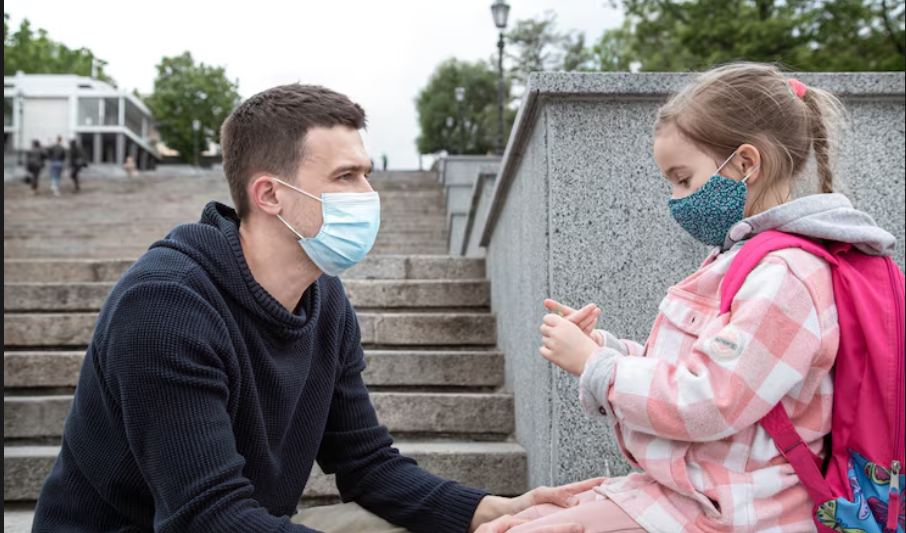
In the words of California Attorney General Rob Bonta, “Public health decisions must remain grounded in truth and facts.” He pointed out that this is the 59th time his office has sued the Trump administration. Observing this build up gives the impression that there is more going on here than just a single policy disagreement; rather, the fundamental institutional framework that the nation has traditionally used to manage illness prevention is being contested.
The states that filed the lawsuit contend that the federal changes will directly raise Medicaid costs, compel states to spend money dispelling public misinformation, and eventually cause disease outbreaks that vaccination programs had successfully prevented. These are not hypothetical worries. Measles provides a data point in real time. Cases are already reaching levels not seen since the early 1990s in communities with lower vaccination rates.
California has been developing alternative scaffolding at a rapid pace. Governor Newsom signed AB 144 in September 2025, which permits the state to base its vaccination recommendations not on the increasingly contentious federal ACIP but on independent medical organizations. Immunization recommendations are now independently coordinated by the West Coast Health Alliance, a collaboration between California, Oregon, Hawaii, and Washington. Following the federal government’s complete withdrawal from the World Health Organization, the state also joined the WHO’s Global Outbreak Alert and Response Network. The picture of a U.S. state keeping connections to international health infrastructure while its own federal government has given up is startling.
How the courts will proceed with this is still unknown. It is evident that fifteen states have determined they cannot wait. Right now, children are getting diseases that can be prevented. It will take time to complete the legal process. The epidemics won’t.
