

A certain type of actor doesn’t make an announcement. They don’t show up with an award-winning monolog or a billboard performance. Scene by scene, season by season, they gradually create something more subdued until you realize you’ve been watching someone crucial all along. Vanessa Rubio did just that in Cobra Kai, and now that the show is over, it’s worth taking a moment to say so.
Born in New Jersey in December 1983, Rubio joined the show in 2018 as Carmen Diaz, the anxious mother of Miguel, the main character. It might have been a limited role. The parent characters in many shows are left on the periphery, mostly reacting and seldom having any significance. However, Rubio brought something more difficult to replicate than skill. She offered real-life experience.
In interviews, she has characterized Carmen as a synthesis of her mother, herself, and the immigrant women she grew up witnessing persevere thru everyday life. On screen, that specificity is displayed. Carmen exudes a warmth that isn’t manufactured. It seems genuine when she watches her son from a doorway or resists the violence that is infiltrating his world. You can sense the writers leaning into what Rubio was offering them, which may have been the reason why they gradually increased her role over the seasons.
Rubio didn’t anticipate the romance with Johnny Lawrence, William Zabka’s surprisingly endearing reformed villain. She claims that during the early stages of filming, a castmate made the initial prediction. And when it did develop, she and Zabka used small, uncertain moments rather than big gestures to make it work. Two individuals who have experienced difficult lives are gradually determining if they can trust one another. That thread held season after season.
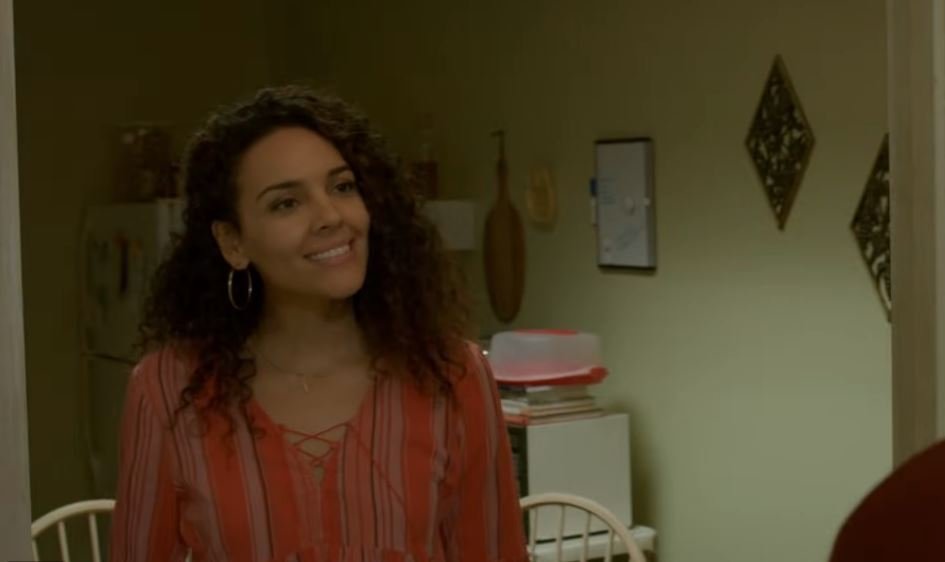
It seems like Cobra Kai never received the critical acclaim it merited for the work it did with its supporting cast. The program was astute enough to recognize that Daniel LaRusso and Johnny couldn’t handle every emotional range by themselves. Carmen lived in a completely different realm; she was more concerned with the costs to a family when an adolescent is drawn into a risky situation than she was with karate philosophy. Parents are concerned about that, and Rubio addressed it without making it seem like a public service announcement.
Carmen had transformed from a supporting character to a true anchor by the time the last season aired. The audience would come to trust her. Although the term “bittersweet” is overused, Rubio’s description of leaving the position seems to be accurate. It’s a long time to carry a character for seven years. She talked about experiencing a sense of freedom at the end, followed by grief and then something akin to joy. All three, almost simultaneously. For something that truly mattered, that sounds about right.
Rubio’s future is still developing. In contrast to Carmen’s grounded realism, she is working on a horror movie called Black Spines. She has been traveling, sharing updates from different locations, and she appears to be honest about not knowing what will happen next. Compared to the alternative, that type of honesty usually ages better.
It’s difficult to ignore the fact that Latina mothers who are complete individuals rather than props, like Carmen Diaz, are still hard to come by on television. According to Rubio, she resisted anything that would have led Carmen toward clichés and fought for each line to feel genuine. On set, that kind of subdued perseverance seldom makes news. However, it influences what appears on screen. And what was ultimately shown on screen—more than six seasons of Cobra Kai—was truly worthwhile.
