

Observing a march through a city you thought you understood can be unsettling. With its complex history of resistance and protest, Johannesburg has witnessed a variety of protests. However, the atmosphere changed when Operation Dudula entered Soweto’s streets and then the inner city. Yes, it was charged, but it was also very familiar, making it more difficult to ignore.
Operation Dudula, which translates to “force out” or “knock down” in isiZulu, began in Soweto in 2021 and swiftly expanded throughout South Africa. On June 16, 2021, the group staged its first organized march through the township, focusing on companies suspected of hiring foreign workers and individuals thought to be involved in drug trafficking. The decision was complicated and contentious because of the date’s significant symbolic significance in South African history.
Nhlanhla “Lux” Dlamini, who was already somewhat of a local figure after spearheading efforts to defend Maponya Mall during the July 2021 unrest, founded the movement. In some circles, the group gained early credibility thanks to his profile. The movement was fueled by real economic conditions, such as high unemployment, overburdened public health services, and a general perception that common South Africans were falling behind. Critics claim that Operation Dudula was not always interested in having a conversation about whether immigrants were actually to blame for those conditions.
The marches in Johannesburg were not peaceful events. Participants walked purposefully through streets dotted with unofficial businesses and spaza shops, many of which were run by African migrants from Ethiopia, Zimbabwe, and other places. There are recorded reports of properties being raided and stores being forced to close. Operation Dudula has continuously denied operating with xenophobic intent, portraying its campaign as one about crime, employment, and law enforcement. Human rights organizations, however, were not persuaded by the distinction because the scenes on those streets revealed a more nuanced picture.
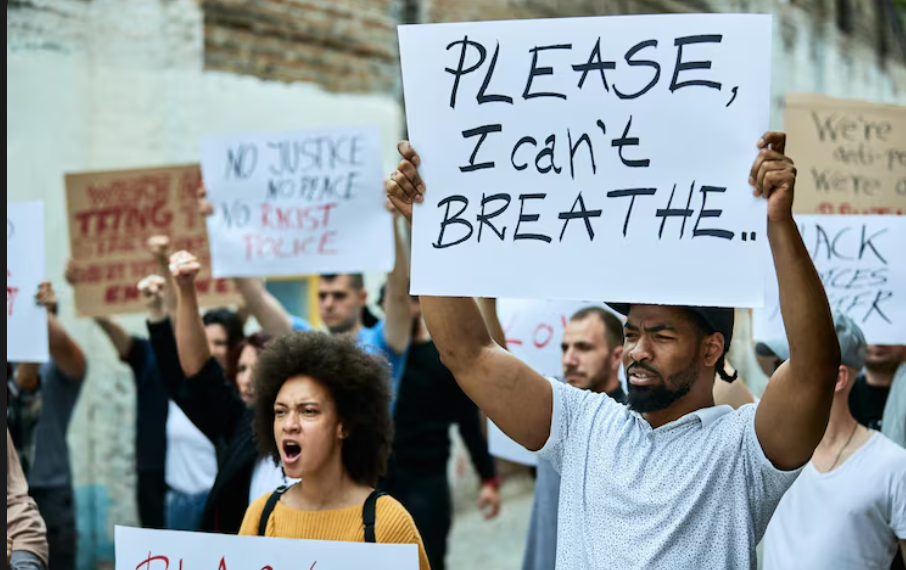
Many of the people who participated in these marches might not have been motivated by hatred. Some were regular locals who were frustrated and struggling financially and wanted someone to take responsibility for their actions. That annoyance is genuine and deserving of serious consideration. However, there is also a historical pattern in which economic hardship is turned into animosity toward the most obvious outsiders in many nations, not just South Africa. That dynamic was not created by Operation Dudula, but it was amplified.
In response to mounting pressure from civil society organizations, President Cyril Ramaphosa referred to Operation Dudula as an instance of unlawful vigilantism in April 2022. Opposition groups like Kopanang Africa against Xenophobia started organizing around the same time in order to specifically oppose the movement. In 2023, they filed a lawsuit to prevent their members from preventing foreign nationals from accessing healthcare and educational facilities. When vulnerable people need protection, the legal system moves slowly, as evidenced by the timeline of that case, which reached court in June 2025.
Operation Dudula established itself as a political party in May 2023 with the goal of running in the 2024 elections. It was a revealing move. It is not uncommon for a street movement to find its way into electoral politics, but it begs the question of whether rage can be transformed into governance or if it just finds a bigger platform.
Observing all of this from a distance gives the impression that Operation Dudula is more of a symptom than a cause. The unemployment rate, inequality, and overburdened public services in South Africa are systemic issues that predate any community of migrants. The marches through Johannesburg were visible and noisy. These marches were made possible by quieter, much older policy failures.
