

Opening your refrigerator, grabbing a quick weeknight supper, and then questioning whether it should have ended up on your shelf in the first place is a little unsettling. Many Aldi customers are currently in this predicament following the recall of over 500,000 packages of Park St. Deli Macaroni & Cheese due to an unreported allergen.
The product, a 20-ounce chilled macaroni and cheese sold under Aldi’s proprietary Park St. Deli brand, was recalled due to the possibility that it contained soy lecithin, an ingredient that wasn’t specified on the label. The product’s manufacturer, BEF Foods Inc., started the voluntary recall in March. On June 10, the FDA formally changed its classification to a Class II recall, which is in the middle of the agency’s severity scale—not an emergency, but also not nothing.
Fifty-eight thousand four hundred and five cases were extracted. Nine separate packages fit inside each case. If you do the math, you’ll see that 525,645 meals were delivered to Aldi locations nationwide. It’s a substantial amount of macaroni.
After the recall was started, Aldi acted swiftly, removing the product from store shelves and releasing a statement claiming to have taken prompt action upon notification. The company is offering a complete refund to customers who have already taken the mac and cheese home, either by returning the item to the store or providing proof of purchase.
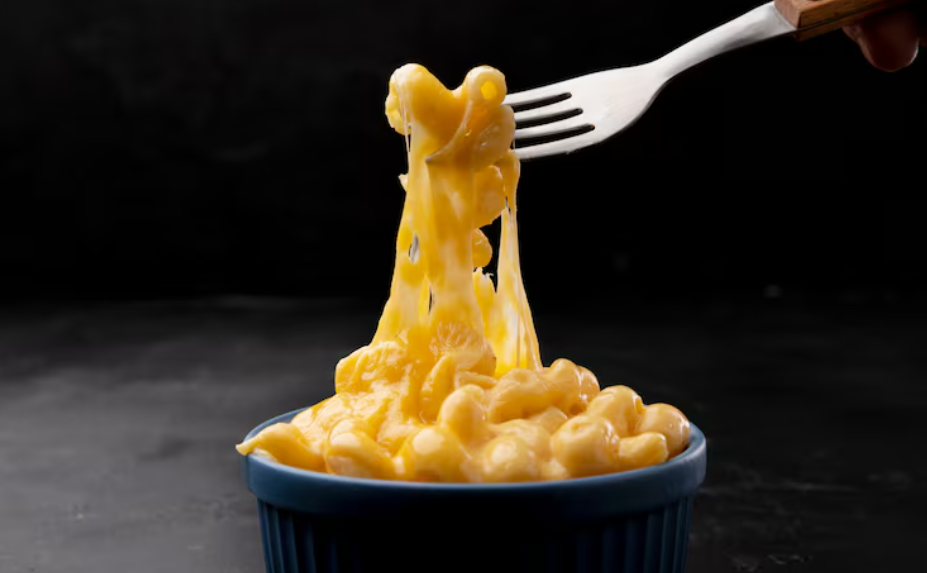
It’s important to comprehend soy lecithin because it’s not exactly what most people think of when they hear the term “soy allergen.” The majority of allergists concur that it contains very little real soy protein and is made from highly processed soybean oil. Soy lecithin is safe for the great majority of allergy sufferers, according to organizations like FARE, and many people with soy allergies can tolerate it without any problems. However, the most sensitive people might react, according to the University of Nebraska’s agricultural research institute, which is why labeling it is important. If the ingredient isn’t disclosed, you can’t make that decision for yourself.
That’s the main problem. Not panic, not disaster. A single missing line on a label could have a significant impact on someone who needs to know.
According to the FDA, a Class II recall occurs when there is a remote but not impossible risk of serious harm—that is, when exposure may result in transient or reversible health effects. It’s a compromise. Additionally, some consumers may question why it took so long for the general public to receive clear notification given the length of time that passed between the March recall and the June FDA reclassification. In the regulatory world, these things frequently proceed slowly, which is annoying when it comes to allergen labeling.
There’s probably no harm done to the majority of people who picked up this mac and cheese during a grocery run. However, the advice is simple for anyone managing a soy allergy or purchasing for a child or family member who does: don’t eat it, return it, and receive a refund. One of the numerous lot codes mentioned in the recall notice, printed on the plastic tub’s outer sleeve, can be found on the packaging.
This place has something worthwhile to sit with. Most consumers are unaware of how frequently food recalls occur. They don’t always make headlines. This one, which affected more than 500,000 packages, moved covertly from a manufacturer notice in March to an FDA update in June. The lesson is to maintain the habit of checking, not to mistrust pre-made meals or low-cost grocery stores. It takes roughly thirty seconds to quickly scan the FDA’s recall list. It might actually matter to someone who has a soy allergy.
