

The figures are constantly fluctuating. Another update, another number, every few hours. At least 1,430 people had died as a result of twin earthquakes that occurred in Venezuela on Wednesday night, less than a minute apart, with magnitudes of 7.2 and 7.5, while the majority of families were at home celebrating a national holiday, according to top lawmaker Jorge Rodríguez on Saturday. More than 3,238 injuries were reported. According to Rodríguez, it was “the most disastrous event this republic has suffered in the last 123 years.” When you look at the before and after satellite photos of Macuto, a seaside city where the Hotel Eduard, once a famous waterfront structure, is now a field of grey rubble, that kind of statement seems different.
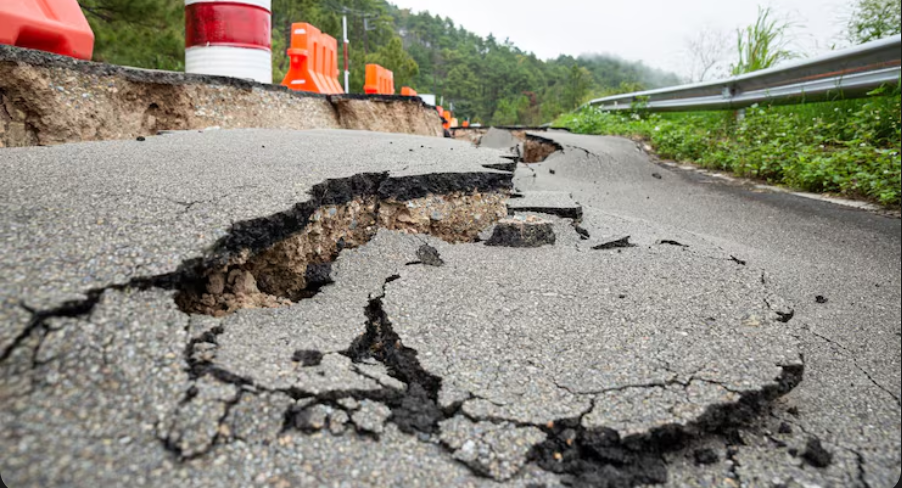
Earthquakes that occur on holidays are especially cruel. People congregated. families in unison. buildings that are more crowded than normal. In the state of La Guaira, entire high-rise buildings in Caraballeda that appeared normal and unremarkable against the coastline in photos taken only a few days prior were reduced to flat debris. They are no longer there. Death tolls, for some reason, never fully capture the scope of the devastation, but the photos that Planet Labs released on Saturday did.
Aftershocks and a lack of heavy equipment have caused rescue teams to struggle, making every hour more hazardous and slower than it should be. As of Saturday, the 72-hour window—that somber threshold in disaster response when survival odds drastically decline—was rapidly coming to an end. Speaking to BBC Mundo, one family claimed they could still hear their loved one moaning beneath the rubble. A groan beneath collapsed concrete in the dark conveys more about the experience of this disaster on the ground than any official briefing could.
There were also times when I felt relieved. A newborn baby was rescued alive from the debris; this is the kind of rescue that goes viral on social media and has an emotional impact that is difficult to dispute. Delcy Rodríguez, the acting president, expressed optimism that more survivors would be discovered. Hope might be justified. In worse situations, rescuers have previously pulled people out. However, hope coexists with a great deal of suffering in a catastrophe of this magnitude.
Decades of neglect and economic collapse have worn down Venezuela’s healthcare system, which is now up against a test for which it was unprepared. Residents in the impacted areas have become clearly irritated, not only with the disaster itself but also with what seems to be a sluggish, disjointed response, as hospitals struggle to care for the thousands of injured. There is a feeling that the grief is being made worse by logistics, bureaucracy, and the weariness of a nation that was already overburdened prior to the initial earthquake.
Assistance from abroad has been coming in. On Saturday, a runway at Simón Bolívar International Airport, which is close to Caracas, was reopened, removing a bottleneck that had slowed the aid flow. Members of France’s Civil Security Training and Intervention Regiment were dispatched. Specialized search and rescue teams and supplies were sent by the US and other countries. Whether the amount of international aid will be sufficient to meet the extent of the need is still up for debate.
Beneath the political statements and the logistics, there is something more difficult to comprehend. Families are waiting. Rescuers are paying attention. The particular, subdued tension of ignorance. Before Wednesday night, Venezuela was already experiencing severe hardship. It is currently navigating this as well as all of that.
