

Curtis Ervin lived out of a maroon pickup truck close to a fast-food lot in Long Beach for nearly two years. This is the kind of detail that doesn’t appear in a federal report but provides a close-up view of what veteran homelessness looks like. For a considerable amount of time, no one was able to persuade the 87-year-old Navy man who had previously worked on a nuclear-powered destroyer to enter. This year, he was finally placed in housing after an outreach worker fed him warm meals through a truck window for more than a year, week after week. The rate of advancement on this problem begins to make more sense when you multiply that kind of patient, slow work by tens of thousands of cases.
According to the official count, which was conducted on a single night in January 2025, there are approximately 32,500 homeless veterans in the US. This is a record low and a significant decline from the numbers observed fifteen years prior. Alongside the more difficult math, there are reasons to be optimistic. Almost 13,500 of those veterans slept in cars, doorways, or on the open ground that night because they had no place to stay.
The people who end up in this situation exhibit a pattern that is worth observing. Nearly half of all homeless veterans are over 50, and about half of them suffer from a severe mental illness. Approximately 70% of people battle substance abuse, which is frequently linked to combat trauma or untreated chronic pain. From the Bonus Army marchers of the Depression era to the quarter of a million men sleeping on the streets in the 1930s, homeless veterans have appeared following every American war, so none of this is particularly new. The response has changed.
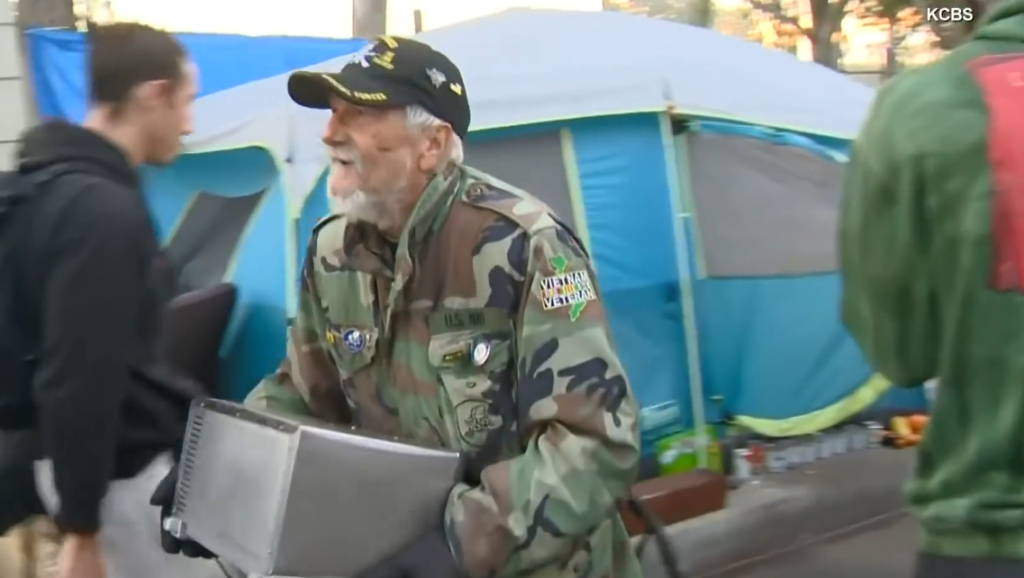
The recent decline is largely attributed to Housing First, an approach that places people in apartments prior to requiring sobriety or treatment. Giving someone the keys first and taking care of the rest later seems almost too easy. However, the data supports this: compared to veterans placed through earlier, more conditional programs, those placed under this model have maintained their housing at significantly higher rates.
However, beneath the progress, friction is growing. Advocates are uneasy about a 2025 executive order that pushes for the institutionalization of homeless individuals, particularly after leaked planning documents linked a VA proposal to involuntary treatment for veterans. The policy in question, a separate memorandum on court-ordered guardianship, only applies to veterans who are already receiving VA care and are incapable of making their own medical decisions, according to VA leadership. It does not apply to individuals who are merely sleeping outside. It’s easy to understand why the distinction appears hazy from the outside looking in, and Capitol Hill critics aren’t entirely persuaded.
The texture of the work itself remains constant despite shifting acronyms and administrations. One coffee and doughnut at a time, outreach workers are fostering trust. Veterans who would prefer to sleep in a truck than be a burden to others. After years of refusing, a retired Navy mechanic finally agreed to enter a VA facility that he had long shunned.
It’s difficult to ignore the fact that those closest to this issue discuss relationships more than budgets. Every January, the federal figures will continue to be reported, analyzed, and discussed in Washington. Whether they continue to fall is likely more dependent on whether the next Curtis Ervin finds a replacement than on any one policy.
