

In the summer, the Louisiana coast is usually cooled by humid breezes from the water, boat engines humming early in the morning, and seafood boils full of fresh fish. This season, tho, there is a quiet tension in the Gulf because state health officials are reporting a sudden rise in serious marine infections. Vibrio vulnificus is a naturally occurring bacterium that grows well in warm, salty water across the region. It has sickened nine people and killed five so far this year.
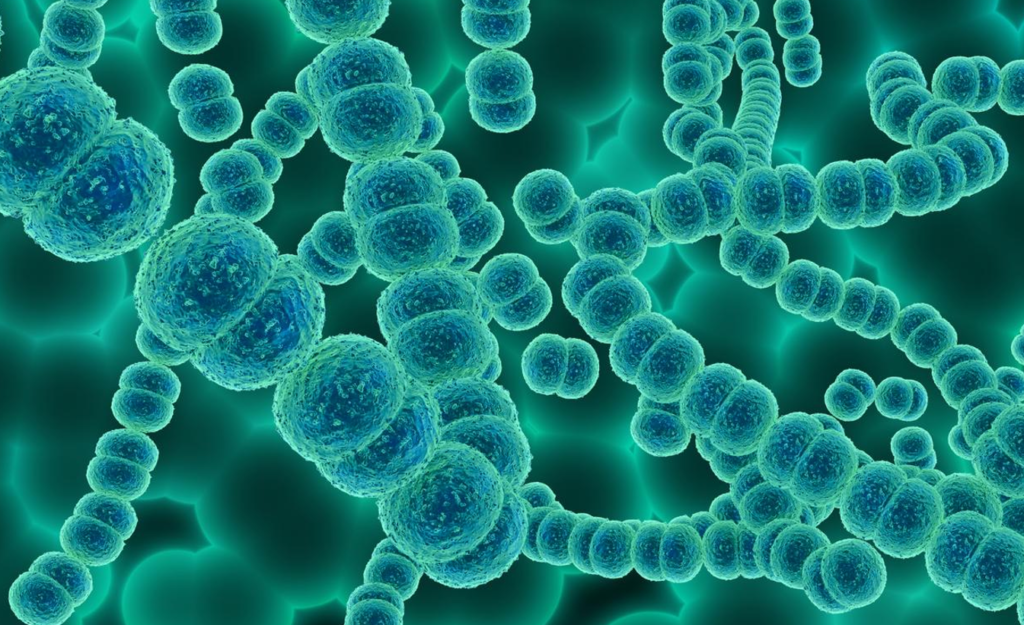
By comparing those numbers to past data, we can see why doctors in the area are so worried. In the last ten years, Louisiana had an average of seven cases and one death during the same time period. The water doesn’t look different when you walk out on a wet wooden pier in Grand Isle or wade thru the coastal marshes. However, below the calm surface tide, tiny groups of bacteria are growing because the water temperature stays high well into the evening.
Many times, the path of an infection is surprisingly normal. This year, every case that was reported had open wounds that were directly exposed to seawater. The wounds could have been anything from small scratches from handling crab traps to cuts from walking on oyster beds. When someone with a healing cut or scrape steps into knee-deep water, they don’t even notice the sting at first. A short time later, they feel a lot of pain, redness, and swelling. The bacteria can get into the bloodstream very quickly in people who already have health problems, especially liver disease or weak immune systems.
It’s easy to think of coastal health advisories as just background noise from the government, but seeing this outbreak happen makes people in the bayous really nervous. Similar rises in cases are being reported by state health departments in Florida and Maryland, which makes some researchers wonder if changing Gulf climate patterns are giving marine bacteria longer, more aggressive times to reproduce. It’s still not clear whether these spikes are a one-time event or a permanent change in how safe the water is during certain times of the year along the southern coastline.
For now, local authorities are stressing simple, useful safety measures instead of widespread fear. Docks and public access points are telling swimsuits to wash any cuts or scrapes that have been in salt water well with soap and clean water, and to avoid eating raw oysters if they are in high-risk health groups. Respecting nature has always been an important part of life on the Louisiana coast. As summer continues, reading the water carefully has taken on a whole new meaning for both locals and visitors.
Incident Summary Table
| Category | Details |
| Location / Region | Louisiana coastal waters and Gulf Coast region |
| Reporting Agency | Louisiana Department of Health (LDH) |
| Total Confirmed Cases (2026) | 9 hospitalizations |
| Total Fatalities (2026) | 5 deaths |
| Historical Comparison | 10-year average: 7 cases and 1 death for the same timeframe |
| Primary Exposure Vector | Open wounds exposed to warm seawater or brackish coastal waters |
| Primary Patient Demographics | Individuals with underlying health conditions (immune/liver issues) |
| Associated Risks | Raw or undercooked shellfish consumption (particularly oysters) |
| Key Infection Symptoms | Fever, wound swelling, redness, blistering skin lesions, low blood pressure |
