

In a quiet lab in Palo Alto, scientists recently looked at a group of cloudy Petri dishes that had small, clear circles on them. The tiny holes showed that the host had been destroyed and that sixteen man-made viral genomes had been able to break thru bacterial cell walls. These genomes were not made by natural selection but by a biological language model. Scientists from Stanford and the Arc Institute fed an algorithm called Evo trillions of genetic letters, which made it make completely new genetic sequences. Even tho it’s an amazing step forward in technology, watching computer scripts put together working life forms makes me feel uneasy.
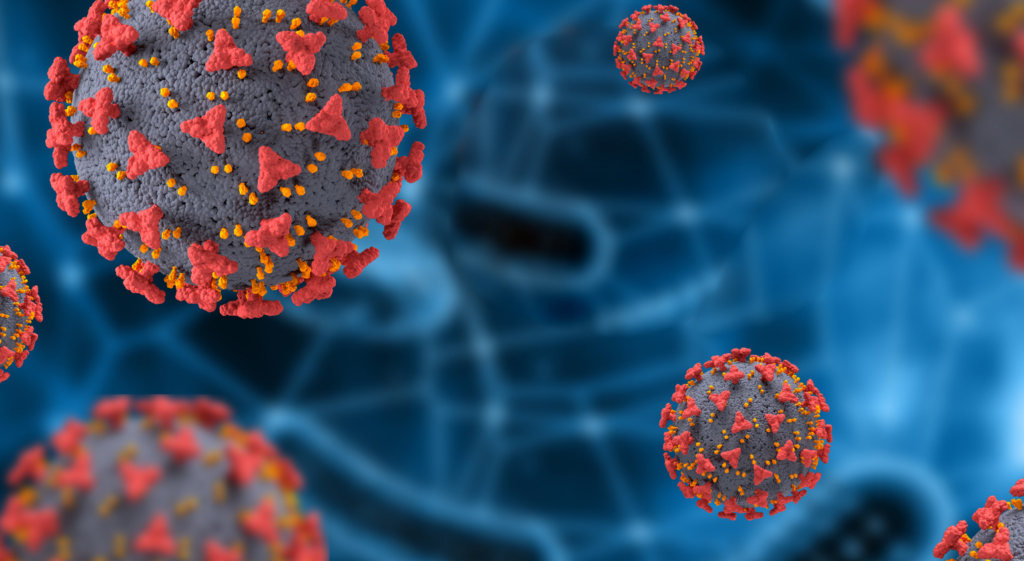
Molecular biologists changed nature for decades by making small changes to existing organisms and carefully swapping known genes around like Lego blocks. Generative biology completely changes that by teaching computers the hidden language of life across millions of species. The software wrote functional genomes from scratch using the simple bacteriophage Phi X-174 as its building block. It did this by looking at structural patterns instead of just copying viral strains. Out of 300 lab-made candidate sequences, sixteen viruses were able to replicate. This shows that machine learning can figure out natural biological constraints without needing a person to guide it.
The medical potential of this achievement comes at a very bad time for public health around the world. Superbugs like Escherichia coli are becoming more and more resistant to traditional antibiotics, which means doctors have fewer ways to treat them. In lab tests, mixtures of these man-made phages quickly destroyed resistant bacterial colonies. This gave us an interesting look at how customizable phage therapies can change along with pathogens that change. Biomedical researchers and investors seem to think that we are seeing a fundamental shift in how drugs are discovered. However, it is still a long and uncertain road from petri dish successes to clinical treatments for people.
Along with these clinical possibilities is a huge security problem that keeps biosecurity experts up at nite. Researchers purposely left out viruses that infect humans from the training data, but the proof of concept is still fully shown. It would be much easier to make biological agents that are harmful if there was an algorithm that could build working viral machinery on demand. It’s scary to think that computer speed has surpassed regulation, leaving safety protocols to watch over raw DNA synthesis instead of directly managing software models.
It’s hard not to notice how different exponential technology is from slow government. Science makes huge steps forward very quickly, but international rules take a long time to come together because they have to go thru many committees and drafts. It’s still not clear if global oversight will be able to catch up before bad people can easily get their hands on open-source biological models. We are now living in a time when life can be coded like software, and people are just hoping that the guardrails are built quickly enough.
| Field | Details |
| Article Title | Beyond Nature: How Scientists Used Artificial Intelligence to Code Living Microbes |
| Word Count | 412 Words |
| Category / Niche | Science & Technology / Synthetic Biology |
| Target Audience | General readers interested in AI, medicine, biotechnology, and public policy |
| Tone of Voice | Observational, thoughtful, analytical, cautiously skeptical |
| Key Takeaways | • AI models (Evo) designed 16 functional bacteriophages from scratch. • Synthetic viruses successfully destroyed drug-resistant E. coli bacteria. • Breakthrough opens doors for customized phage therapy against superbugs. • Highlights an urgent biosecurity gap as software capability outpaces regulation. |
