

The narrative seems almost too satisfying to be questioned. A celebrity chef walks into a courtroom, holds up a burger, and proves to the world that a fast food giant has been feeding people something unfit for human consumption. McDonald’s loses. Literally, justice is served. The internet explodes. And millions of people share the news as though it’s the most important thing they’ve read all year.
The Jamie Oliver McDonald’s lawsuit, as it has been described in countless Facebook posts, viral graphics, and breathless shares since at least 2011, does not exist. No court case. No verdict. No decision. Over the course of the last ten years, fact-checkers at Snopes, AFP, Africa Check, and BOOM Live have all looked into the claim, and each time they have come to the same conclusion: there is no proof that Jamie Oliver ever sued McDonald’s or that McDonald’s ever lost a lawsuit involving the British chef. The real story is more intricate and, in some respects, more fascinating than the myth.
In a 2011 episode of his American television show Jamie Oliver’s Food Revolution, Oliver showed how ammonium hydroxide gas was used to kill bacteria in beef trimmings before they were used as filler in ground beef products. He called the resulting material “pink slime” — a term that stuck, spread, and eventually caused real economic damage to the companies producing it. Oliver was blunt on camera. The pre-processed beef was described by him as “not fit for human consumption.” It was the type of meat that would typically be sold as dog food, he claimed.
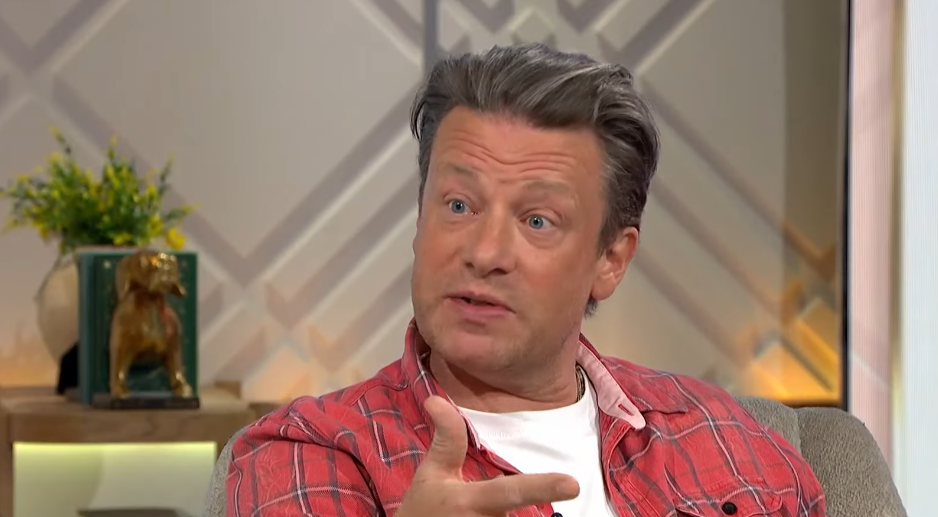
The video was powerful. There was a real backlash. In a matter of months, McDonald’s declared that it would no longer use the product in any of its burgers. The company claimed that the decision was unrelated to any specific event, which is the kind of claim made by businesses when they firmly refuse to give credit to a famous chef for coercing them. Draw your own conclusions there.
However, the narrative changed at some point between Oliver’s TV appearance and the public’s reaction. The phrase “not fit for human consumption” got lifted out of context. The idea that McDonald’s changed its recipe became, in retelling, a court-ordered change. The chef became a plaintiff. The fast food chain became a defendant. And suddenly the internet had a narrative with a hero, a villain, and a satisfying ending — none of which reflected what actually took place.
It’s important to remember that Oliver was the victim of legal pressure rather than the one applying it. A former senior employee of Beef Products Inc., the company that produced the beef treated with ammonium hydroxide, sued Oliver, food blogger Bettina Siegel, ABC News, and others in 2012, claiming that their use of the term “pink slime” was unjust and cost workers their jobs. Following the public outcry against the product, about 750 employees were let go. $70,000 in damages were sought in that lawsuit. Compared to the story that went viral, this one is noticeably less cinematic.
This place has something worthwhile to sit with. For more than ten years, the fictitious lawsuit story has been going around. It is refuted. It resurfaces. It gets debunked again. It was resurfacing on Facebook in June 2026, so recent that Snopes released a fresh investigation. This story’s enduring appeal reveals something about how people feel about food, businesses, and the unique satisfaction of thinking that someone, somewhere, finally held a powerful company accountable in a way that stuck.
The real story is more complicated: a TV chef humiliated a fast food company into discreetly altering its recipe, but the actual legal action went in the opposite direction. There is no courtroom moment in it. It doesn’t have a gavel coming down. But it happened. Ultimately, McDonald’s did alter the burger. That part, at least, was real.
