

When a court overturns its own decision, it’s a quiet but important event. It doesn’t happen often. If it does, it usually means that something went wrong before the verdict was written. In the defamation case involving activist Badrul Hisham Shaharin (better known as Chegubard) and influencer Nurpais Ismail, things went pretty much like that. Their legal battle with businessman Datuk Seri Farhash Wafa Salvador Rizal Mubarak took a sharp turn earlier this year.
Justice Arziah Mohamed Apandi of the Malaysian High Court told both defendants on January 29 that they had to pay Farhash a total of RM550,000 in damages. This included RM300,000 in general damages, RM150,000 in aggravated damages, RM100,000 in exemplary damages, and RM40,000 in costs. The numbers were important. That’s how it was. When the decision was made, neither of the defendants had been in court.
The lawsuit, which was filed on May 26, 2025, was based on things Chegubard was said to have said in a YouTube interview with Nurpais on May 7, 2025. The plaintiff said that those statements made it sound like he had lied about his job to get big companies to do what he wanted and that he was corrupt, abusing his political power, and doing bad things with government contracts. Very serious charges. The kind that can really hurt a public figure’s reputation if they are not true.
The case is interesting and a little unsettling from a due process point of view because Justice Arziah had already come to a pretty bad conclusion about how the proceedings were run by the time she let a new application go through and overturned her earlier decision. Not enough of the writ was served on both defendants. Chegubard said that he had never received court papers because the addresses used for delivery were no longer his homes at the time. Even worse, it looked like someone who wasn’t supposed to have been there had accepted a courier delivery. You could take a more positive view of this—maybe Farhash’s lawyers made good assumptions. But the court pointed out that they had used an address from a different lawsuit in 2024 instead of checking with the National Registration Department to make sure it was the correct address for the current case.
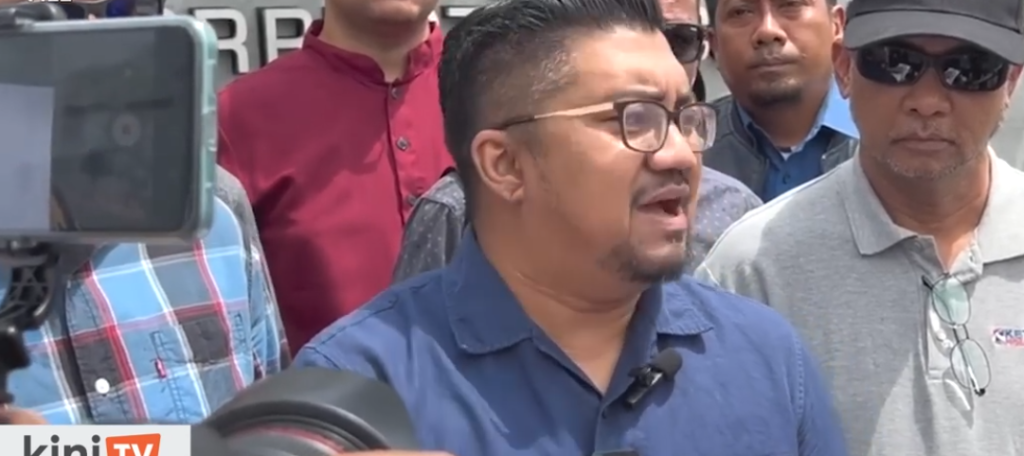
Nurpais had a case that was just as easy. A writ was sent to him, but it wasn’t by acknowledgment-receipt registered mail; it was sent to an address he had already moved out of before the writ was even filed. To prove his point, he sent a rental agreement. RM550,000 judgment was delivered the same day he learned about it through a WhatsApp message from a friend.
Some people think that the first trial should never have gone forward without confirmed service or appearance. To his credit, Chegubard asked for the judgment to be thrown out only six days after hearing about it, on February 4. The judge thought the defendant was acting in good faith because he was moving so quickly. “This action is consistent with the first defendant’s claim that he had no idea about the proceedings,” she wrote.
The judge also said something that is important for reasons other than this case. Both defendants brought up what the court called “triable issues,” such as the nature of impromptu comments made in an interview, the defense of fair comment, and the question of whether there was real bad intent. These aren’t just pointless arguments. They are on the edge of how defamation law should work in a time when YouTube interviews mix news, commentary, and casual chat. It was agreed by the court that these issues need to be settled in a full trial.
It’s still not clear to Malaysia what it means to defame someone on the internet. The MCMC Chegubard defamation case doesn’t answer that question; it just puts it off. The case is now moving toward a real hearing where both sides can be present. That’s the way things should have been from the start.
