

Public health officials typically don’t display a certain type of alarm in public. Press releases with meticulous, measured language that nevertheless manages to sound like someone yelling quietly are where it usually resides. Since the CDC announced in January that it would remove seven childhood vaccines from its widely recommended schedule, statehouses across the nation have been speaking in this manner.
California was quick to react. The state will co-lead a multi-state lawsuit against the CDC, its director, the Department of Health and Human Services, and Health Secretary Robert F. Kennedy Jr., according to Governor Gavin Newsom. There were fourteen more states that joined. The main point of contention is simple: the federal government altered a public health framework that had been in place for decades without adhering to the laws that specify how such changes are to be made.
The vaccinations against the flu, hepatitis A, hepatitis B, rotavirus, some strains of meningitis, and RSV were removed from the universal recommendation. Jim O’Neill, the acting director of the CDC, described the change as a “more focused schedule,” a refinement that would boost public trust and clear up confusion. Whether that framing has persuaded anyone outside the administration remains to be seen.
The lawsuit’s emphasis on the treatment of the committee that makes these recommendations is what makes it so pointed. Kennedy dismissed all 17 of the current members of the CDC’s Advisory Committee on Immunization Practices, the expert group that sets the nation’s vaccination policy, last summer. During his Senate confirmation hearing, he took an oath promising not to do just that. He then appointed 14 new advisors in their place, some of whom had openly questioned conventional immunization science. The American Academy of Pediatrics, the American College of Physicians, and the American Public Health Association were among the medical and public health groups that filed their own lawsuit, accusing the overhaul of being detrimental and illegal. When the new schedule modifications gave plaintiffs new leverage to file an amended complaint, that case was already proceeding through the legal system.
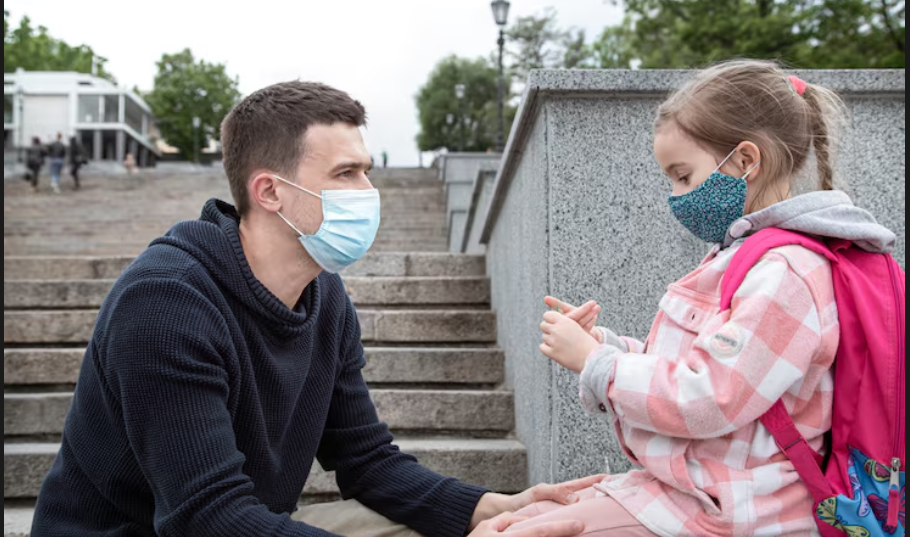
Here, it’s difficult to ignore the timing. The number of measles cases, outbreaks, and fatalities in the US are at their highest point in more than thirty years. The prevalence of whooping cough is increasing. Schoolchildren’s exemptions from vaccinations have reached an all-time high. Pediatricians and state health departments are monitoring these numbers in real time; they are not abstract projections. In light of this, a federal decision to restrict vaccine recommendations carries weight that extends far beyond differences in policy.
Kennedy has always insisted that he is not opposed to vaccinations. In isolation, his claim that parents should have access to better science and make better decisions seems plausible. According to the plaintiffs, the process by which these decisions were made circumvented the very mechanisms intended to generate that improved science. According to federal law, the advisory committee must be evidence-based and balanced across disciplines. That standard is obviously not met by substituting individuals who are skeptical of vaccines for career immunologists. The courts will now have to decide whether a federal judge concurs.
Practically speaking, there has been no change in insurance coverage for the impacted vaccines. It is still possible for parents to get their children immunized against the flu or hepatitis B without having to pay for the shots themselves. However, a number of medical organizations have cautioned that taking a vaccine off the universal recommended list causes real confusion for parents, school nurses, and pediatricians attempting to have brief discussions during hectic appointment windows. In the field of public health, confusion usually goes in one direction.
Additionally, California has stepped outside of the courtroom by establishing a state-led public health infrastructure initiative staffed by former CDC officials and joining the World Health Organization’s outbreak response network following the federal government’s withdrawal from WHO. Observing all of this gives the impression that some states have quietly concluded they can no longer rely on federal public health institutions in the same manner. The more crucial question that lies beneath all the legal documents is probably whether that’s a short-term change or something longer-term.
