

Corteva Gives Farmers $85 Million, But Was That Enough?
Farmers nationwide have been observing something that didn’t quite add up for years. Herbicides and insecticides that should have been less expensive after patents expired, known as generic crop protection products, weren’t really finding their way onto store shelves as you might anticipate. The science was accessible, the patents had been revoked, but the counter prices had not decreased. As it happens, there might have been a cause for that.
Farmers filed a class-action antitrust lawsuit against Corteva Agriscience, one of the biggest agrichemical companies in the US, alleging that the company’s loyalty rebate programs were intended to keep less expensive generic alternatives off the market. The lawsuit was settled for $85 million. Acetochlor, rimsulfuron, oxamyl, and methoxyfenozide-containing Corteva crop protection products purchased between October 2018 and May 2026 are covered by the settlement.
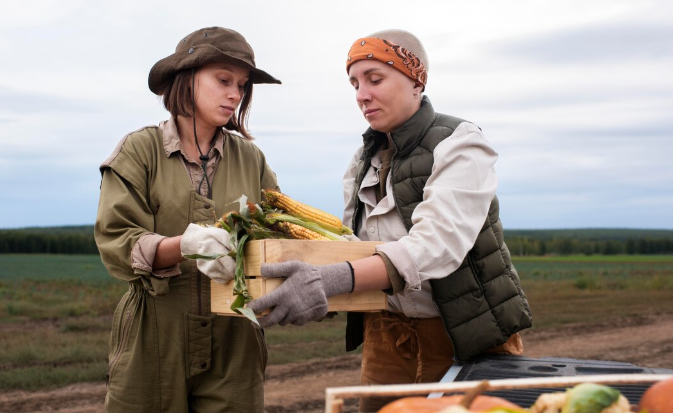
Corteva and fellow agrichemical behemoth Syngenta were accused of paying distributors to restrict their business with generic competitors in the 2022 lawsuit, which was filed in a federal court in North Carolina. Apparently, distributors were only able to collect their rebate payments if they maintained a distance from competing products. The farmers who filed the lawsuit claimed that this arrangement raised prices and essentially prevented them from accessing less expensive options after the pertinent patents expired. Similar claims had previously been made in a different 2022 lawsuit by the Federal Trade Commission and the attorneys general of ten states.
Corteva has refuted any misconduct in accepting the agreement. In a succinct, measured statement, the company said it was “pleased to resolve this matter” and that it is still customer-focused. Farmers have more questions than answers about how the system operated for so long before anyone pushed back, but that kind of language is almost expected in these circumstances—no admission, no real explanation.
Over 100,000 farmers are thought to be part of the settlement class. Corteva is expected to assist in identifying qualified claimants after the $85 million is placed into an escrow fund. That sounds significant on paper. However, the plaintiffs’ own legal team admitted that this amount is only about 10% of the total damages that their expert determined. Ten pennies on the dollar. Even when attorneys present the math as a practical result, it is difficult to ignore. The farmers might not have benefited in the long run if the lawsuit against Corteva and Syngenta had been pursued concurrently. This would have increased the case’s complexity and resource requirements.
For what it’s worth, the case against Syngenta is still very much alive. The Swiss-based business, which is currently a subsidiary of a Chinese state-owned company, refuted any misconduct and remained silent regarding the Corteva settlement. Syngenta is accused of having monopolistic control over fungicides and herbicides like mesotrione and azoxystrobin. There’s a feeling that the legal pressure surrounding crop protection pricing isn’t going away quietly, and Syngenta’s side of the dispute might be more difficult to settle.
It’s worth taking a moment to consider the bigger picture. This is not a singular corporate conflict. The cost of the chemicals used to protect crops, the distribution networks that transport those chemicals, and whether or not competition is truly operating as it should in agricultural markets are all fundamental aspects of how food is produced in America. Despite not being involved in these legal actions, Bayer CropScience recently reached an agreement with the Department of Justice to eliminate what were deemed to be potentially anticompetitive clauses from its own seed loyalty program. That’s three well-known agrichemical brands making headlines for variations of the same issue within months of one another.
The Corteva settlement still requires the approval of a federal judge, and the administration infrastructure is still being developed, so the claims procedure has not yet been formally established. Farmers must keep an eye out for notices and, eventually, a claims portal if they purchased qualifying products during the covered period. Depending on how many farmers apply and how the money is allocated, the final payout may feel significant or like a rounding error.
Whether this settlement will have a significant impact in the future is still unknown. It does, however, confirm that these loyalty agreements were the subject of intense legal scrutiny, which ultimately had a cost.
