

It’s almost like watching the same thing happen over and over again. If you were born in the United States, you automatically have citizenship. Five weeks after the Supreme Court ruled 6-3 that this was true, President Trump signed two new executive orders that try to take away the same rights. The setting felt like home. The fight back did the same.
People are really interested in knowing if executive orders can do things that the Constitution clearly doesn’t allow. This is a question that keeps coming up in politics. Most lawyers don’t seem to believe it. The ACLU has already said that the new orders are “doomed to fail.” The White House is still pushing forward, saying that the new orders are more specific and don’t affect as many people as the order that the Supreme Court threw out.
The 14th Amendment is where birthright citizenship came from, and it was written into the Constitution in 1868. This was partly in response to the Supreme Court’s Dred Scott decision, which said that Black Americans could not be citizens. The clear language of the Citizenship Clause says that everyone born or naturalized in the United States and subject to its laws is a citizen. When writing for the majority last month, Chief Justice John Roberts said that citizenship is “the right to have rights.” When you read that, it’s hard not to feel how heavy it is.
The government is specifically going after what it calls “birth tourism” this time. This is when pregnant women from other countries come to the US to give birth so that their children are born as American citizens. Trump said it was a shame. Stephen Miller confidently called the practice “banned” at the signing ceremony on Thursday, the same way someone might use that word to cancel a magazine subscription. It’s a whole different story if the law agrees.
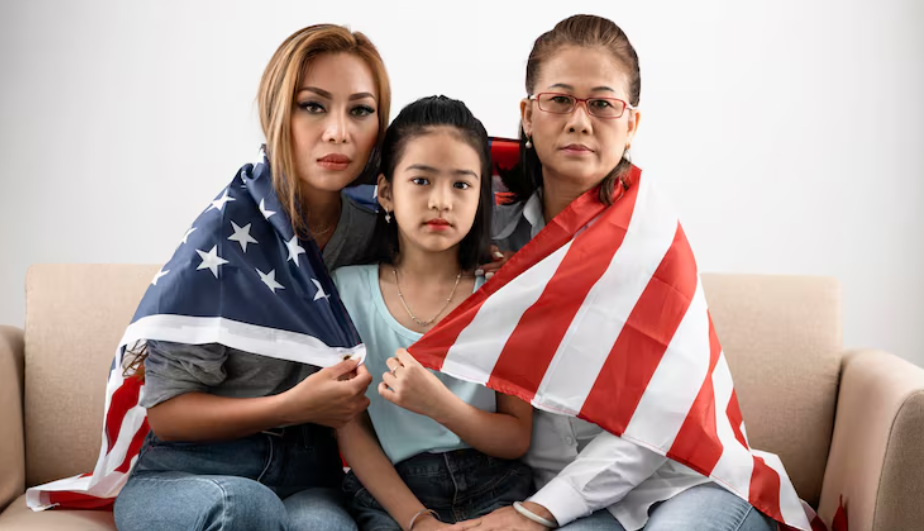
This is a real mess with real problems that are worth thinking about. The Center for Immigration Studies said that between 20,000 and 25,000 women came to the US just for birth tourism in a single year between 2016 and 2017. This is a real number, but it’s important to keep in mind that the US will have 3.6 million births in 2025. Even tho it’s a small amount, the administration seems to think it’s a problem with the whole system that needs to be fixed at the constitutional level.
In practice, the new orders just add more people to the list of people who are not eligible for birthright citizenship. This includes children of foreign government workers, children of so-called “alien enemies,” and maybe even people born in US territories if the current bill that Congress is considering passes. People who support immigrants have fought back hard. Concerns were raised by Zain Lakhani of the Women’s Refugee Commission about the effects on pregnant women trying to enter legally. She said that these women are some of the most vulnerable people in these situations. How you frame it matters. These aren’t vague ideas on a policy document. They are people.
It’s still not clear what the courts will do with these new orders in the end. Different lawyers disagree on whether the administration has really found a flaw in the Supreme Court’s decision or if they have just used slightly different words to make the same argument. The administration says that the new rules are not covered by the June decision. Some people think that’s just wishful thinking wrapped up in legalese.
Trump said the Supreme Court’s choice was “a very unfortunate one.” It’s interesting that a president would say that a constitutional decision was “unfortunate,” not legally wrong. It seems to imply that the anger isn’t just legal. It’s political and very personal because of an immigration plan that has shaped two terms in office.
For more than 150 years, people have been able to become citizens at birth. How long it lasts during this time of executive pressure will probably depend less on what is signed in the Oval Office and more on what eight more justices decide in the end.
