

A report that’s barely a page long is at the heart of this story. There was one page that was signed by acting Attorney General Todd Blanche. It said that the US government was “forever barred and precluded” from looking at Donald Trump, his sons, and the Trump Organization’s tax returns. One page. That’s it. This is the kind of thing that makes someone read it twice to make sure they got it right.
People who are fighting over that document aren’t outside activists or political opponents; they’re people who work for the government. They are long-term employes of the Treasury Department and the IRS and are backed by the National Treasury Employes Union. They want a federal judge in Alexandria, Virginia, to reject the deal completely.
The union joined a lawsuit that was first brought in May by a legal advocacy group called Democracy Forward. In the first case, the focus was on the “Anti-Weaponization Fund,” a $1.8 billion plan that was put forward as part of a larger settlement over Trump’s leaked tax returns. The fund was supposed to help people who said the Justice Department was politically targeting them, but it got a lot of bad press when word got out that it might help people who were convicted of assaulting police during the January 6th Capitol riot. Judge Leonie Brinkema of the U.S. District Court stopped the fund in May. Blanche later told Congress that it was off the table, and earlier this week he formally took it back in writing. This was done after two Republican senators reportedly said they would not support his confirmation as attorney general. The case didn’t go away, tho. It grew bigger.
The new filing now goes after the audit immunity deal, which is the deal that is still in place even tho the fund was closed. The New York Times and ProPublica have said in the past that the immunity could mean that Trump and related entities don’t have to pay more than $100 million in back taxes. The lawsuit says that this is an unconstitutional bribe and that it breaks a law that says the president can’t get involved in tax audits.
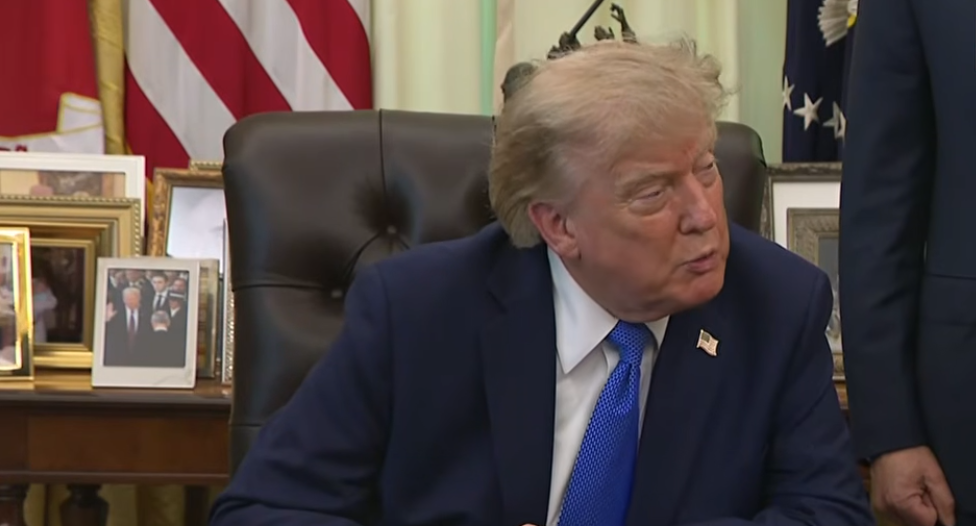
For the union’s national president, Doreen Greenwald, it was made very clear in a statement: the tax system is honest because every taxpayer is held to the same standard. She said that it’s not just illegal when career employes are told to stop audits for political reasons. Their jobs are in a tough spot because they have to follow both an order from above and the law below.
It’s hard not to notice how much weight that has. These are not people who formally ran for office or chose to get involved in politics. They are auditors, accountants, and government workers who came to do their job. The lawsuit makes their situation very clear: either do what the government says or follow the law. Not both.
The Trump administration has said that the immunity deal only covers claims that were open at the time of the settlement. They say that it doesn’t protect the president from being looked at closely in future filings. At this point, it’s really not clear if that difference will matter in court. As of Thursday, both the Justice Department and Trump’s legal team hadn’t replied to requests for comment.
It’s not just the money that makes this lawsuit interesting to watch, tho that’s important. To get to the bottom of it all, the question is whether a president can settle a lawsuit and get out of the audit process completely before anyone has had a chance to look at the books. In federal court right now, that’s the case being made. This is the kind of question that makes people talk for a long time.
