

This issue has become so emotionally charged that the petition against digital ID cards has quickly surpassed two million signatures. Similar to the Brexit petition movement’s growing momentum years ago, the campaign has swiftly become a cultural flashpoint, igniting public anxiety about the government’s power and the vulnerability of individual privacy. Its expansion has been especially helpful to civil liberties organizations, who are now at the forefront of a national dialogue that was previously limited to policy circles.
Advocates of the UK’s Digital ID Petition characterize it as a line in the sand, a refusal to give the government unheard-of authority. Critics of the government’s proposal point out how eerily this debate resembles previous instances of opposition, whether it was to the pandemic’s vaccine passport proposals or Blair’s ID cards in the early 2000s. Ordinary citizens in each instance organized against legislation as well as a perceived loss of autonomy. A deeper pattern is revealed by the recurrence of these conflicts: technology continues to promise efficiency, but the political cost is still very evident.
Table: Digital ID Petition UK – Key Facts
| Category | Details |
|---|---|
| Petition Title | Do not introduce Digital ID cards |
| Platform | UK Government and Parliament Petitions |
| Creator | Maxim Sutcliff |
| Launch Date | June 14, 2025 |
| Deadline | January 9, 2026 |
| Current Signatures | Over 2,015,000 (as of Sept 2025) |
| Primary Goal | Stop the introduction of mandatory Digital ID in the UK |
| Government Response | Pending – due within 24 days of reaching 10,000 signatures |
| Parliament Debate Status | Secured – petitions exceeding 100,000 signatures qualify |
| Reference | UK Parliament Petitions |
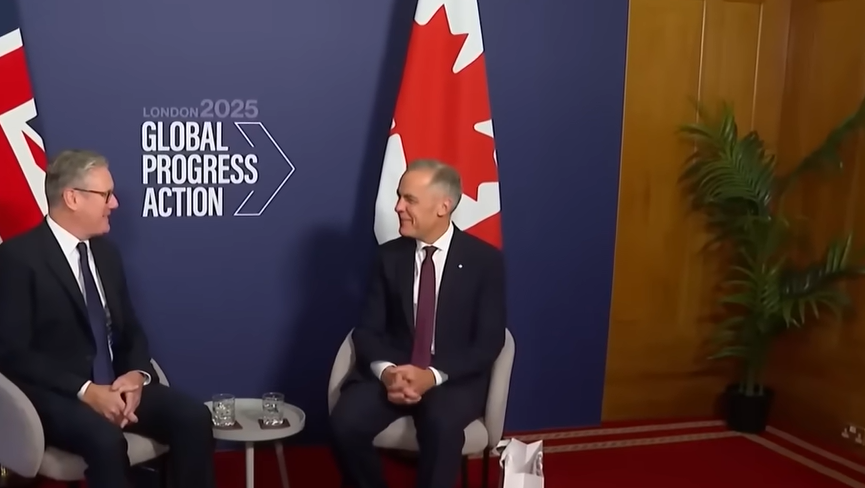
The so-called BritCard, as Prime Minister Keir Starmer insists, is very effective in combating workplace fraud and illegal migration. He contends that the policy will greatly lower undocumented employment and improve border security by directly connecting digital IDs to work eligibility. According to him, it is pragmatism rather than surveillance, a contemporary instrument intended to bring Britain into line with digitally advanced countries like Estonia and Denmark. In response, opponents point to the NHS ransomware attack in 2017 as evidence of what can happen when private databases end up in the wrong hands, arguing that the UK has a very bad record on data security.
The petition’s explosive growth is a tale unto itself. In just a few weeks, campaigns on Facebook, TikTok, and X propelled the number of signatures from a few hundred thousand to over two million. What might have been a small bureaucratic protest turned into a widespread civic uprising when regular people joined forces with independent journalists and digital rights activists. The momentum demonstrates how digital platforms can be incredibly powerful democratic tools when used strategically—ironically, by utilizing the very digital ecosystem that the petitioners are trying to control.
Proponents of civil liberties, particularly Big Brother Watch, contend that once implemented, these kinds of systems are rarely kept to a minimum. What starts as an employment check in the context of digital governance can grow into welfare access, tax collection, and healthcare integration. Their cautions, which reframe the discussion as one about everyday life for all citizens rather than illegal labor, are especially creative. This viewpoint is very appealing to those who are concerned that digital ID may develop into a vast infrastructure of ongoing surveillance.
A political minefield for politicians is the Digital ID Petition UK. Using the opportunity to portray herself as a supporter of individual liberty, Conservative Kemi Badenoch has called the plan “a burden on law-abiding citizens.” Never one to overlook a populist rallying cry, Nigel Farage called it “an anti-British card,” arousing the sense of patriotism against alleged state interference. By ensuring that opposition is not just ideological but also broadly cultural, their interventions make the petition appear to have a very flexible ability to form coalitions.
Additionally, public memory is a deciding factor. Vaccine passports were a topic of debate during the pandemic, and although they were never made mandatory, the incident left a legacy of distrust. People recall the frequent extension of temporary measures and the ways in which digital certificates were suggested as fixes but remained risks. The petition effectively invokes that memory, demonstrating the startling speed at which public skepticism can spread once it is sparked. For many, the Digital ID Petition UK is more about preventing the gradual encroachment of digital dependency than it is about this particular proposal.
Comparisons across borders exacerbate the gap. Estonia’s e-ID, which is widely accepted, secure, and efficient, is frequently hailed as a success of contemporary governance. The political landscape in Britain, however, is very different. People no longer have much faith in institutions, and they are hesitant to believe that the government can properly protect their data. This skepticism is similar to discussions in the US, where concerns about surveillance have continually caused proposals for federal digital ID systems to fall through. By placing itself within this global tension, the Digital ID Petition UK reflects both a common democratic anxiety and a national uneasiness.
The petition’s visibility has increased thanks to celebrity endorsements and powerful voices. After opposing Blair’s ID scheme, former cabinet minister David Davis has returned to the platform to warn that “no system is immune to failure.” In the meantime, the petition has evoked strong feelings among campaigners and public commentators who have equated it with a struggle for independence and dignity. By combining legal issues, technological hazards, and societal values into a cohesive story, their interventions demonstrate how a petition can transform from a policy protest to a cultural movement.
