

Even seasoned market observers were taken aback by something that occurred during the first two weeks of April. The S&P 500 abruptly changed direction and surged after initially absorbing the shocks of a U.S.-Iran war and rising oil prices with what appeared to be genuine anxiety. The index’s market capitalization increased by more than $7 trillion in roughly three weeks. With thirteen straight sessions of gains, the Nasdaq recorded its longest winning run since 1992. For the first time in its history, the S&P 500 surpassed 7,100. And this occurred while negotiations for a Middle East ceasefire were ongoing and West Texas Intermediate crude was still trading close to $90 per barrel. Several analysts pointed out that this was the fastest recovery since 1982. It can be explained rationally. It remains to be seen if they all hold up over the coming months.
Some of that ground was regained during Tuesday’s session. As word spread that Vice President JD Vance’s trip to Pakistan for Iran negotiations had been postponed, the index dropped by about 0.6 to 0.7 percent, from its previous close of 7,109 to the range of 7,050 to 7,061. The geopolitical anxiety that had momentarily appeared to fade returned with sufficient force to put pressure on stocks in the majority of sectors, and oil prices reversed upward, rising back above $92 per barrel. Of the eleven S&P sectors, eight ended up losing money. However, looking beyond the single session, the index is still up more than 35% year over year, within a few percentage points of all-time highs, and carrying a set of earnings expectations that, if met, would support even the more ambitious targets currently in circulation on Wall Street.
| Category | Details |
|---|---|
| Index Name | S&P 500 (Standard & Poor’s 500) |
| Ticker | ^GSPC / SPX / .INX |
| Today’s Value (April 21, 2026) | ~7,061–7,109 USD (fluctuating) |
| Day Change | −45 to −47 points (−0.63–0.68%) |
| Opening Value | 7,122.64 |
| Day High | 7,137.27 |
| Day Low | 7,050–7,084 |
| Previous Close | 7,109.14 |
| 52-Week High | 7,147.52 (April 17, 2026) |
| 52-Week Low | 5,101.63 |
| 1-Year Return | +35.10% |
| YTD Return | +2.70% |
| Total Market Cap | ~$61.1 trillion (as of Dec 31, 2025) |
| Components | 503 stocks across 500 companies |
| Founded | March 4, 1957 |
| JPMorgan Year-End Target | 7,600 (raised from 7,200 on April 21) |
| JPMorgan Bull Case Target | ~8,000 |
| 2026 EPS Estimate (JPMorgan) | $330 (+22% Y/Y, raised from $315) |
| Wall Street Consensus Target | 7,654 |
| AI Capex Forecast (2026) | $775 billion (+58% Y/Y) |
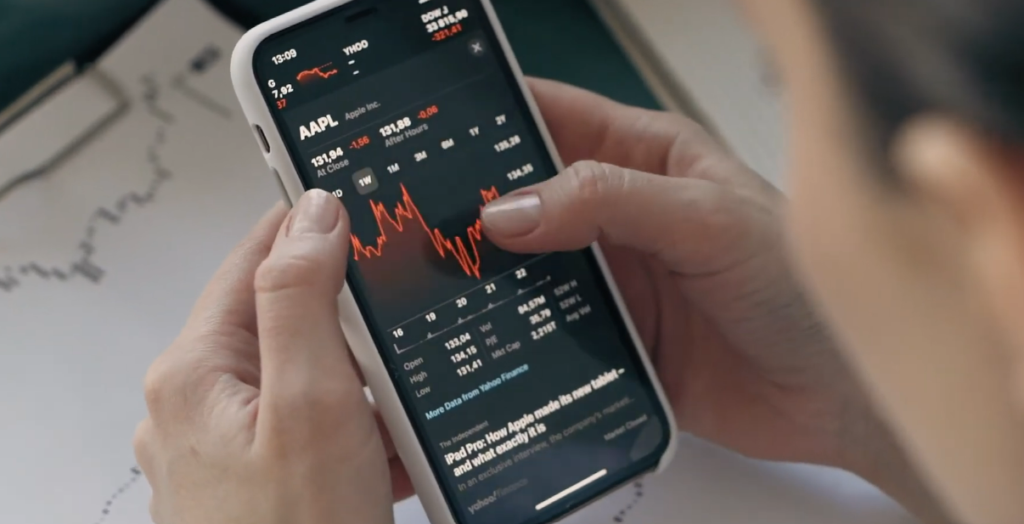
On Tuesday, JPMorgan took a step that merits consideration. The bank’s year-end S&P 500 target was raised to 7,600 from 7,200 by strategist Dubravko Lakos-Bujas. Interestingly, the upgrade was solely motivated by higher earnings expectations rather than by requesting that investors pay a higher multiple for the same profits. While maintaining the forward price-to-earnings multiple at 22 times, JPMorgan increased its 2026 earnings-per-share estimate to $330 from $315, indicating a 22 percent year-over-year increase. Compared to an argument based on valuation expansion, that is a clearer and more credible one, and it is important that a significant institution is making it. Additionally, the bank proposed a bull case scenario of about 8,000, which is not the base case but is no longer merely hypothetical and is dependent on quicker geopolitical resolution and ongoing AI momentum.
This story’s AI component is genuine and expanding. After a turbulent start to the year, JPMorgan specifically mentioned the rise of Anthropic’s Claude Mythos model as a catalyst for rekindling interest in AI. 66% of S&P 500 AI-related stocks have outperformed the overall index since April 7. Nvidia has since increased by more than 22% after experiencing a significant decline between late February and late March. Over the same time frame, Alphabet, Amazon, and Meta have all increased by more than 20%. By year’s end, capital expenditure on AI infrastructure is expected to reach $775 billion across the major tech companies, a 58% increase from the previous year. The main question is whether all of that spending eventually results in revenue and profit rather than just impressive infrastructure, and the upcoming earnings reports over the next two weeks will start to address that question.
Every prolonged market rally has a point at which the observer begins to question whether the price is outpacing the story as the numbers mount. The state of consumer sentiment is at an all-time low. The cost of energy is high. There is still an ongoing conflict in the Middle East. Nevertheless, the S&P 500 is less than two percent below its all-time high at 7,061 following a poor day. There is a sense that the market is pricing in an expected but unconfirmed resolution to the Iran situation, the AI monetization issue, and the trajectory of earnings growth. JPMorgan is optimistic. However, it also highlights a significant risk of short-term consolidation prior to the subsequent leg higher. This market currently resides in that tension between sincere optimism and unresolved uncertainty.
