

On a weekend afternoon, there’s a good chance you’ll come across a HexClad display in the cookware section of any Costco, surrounded by people picking up the pans, flipping them over, and reading the packaging. Even those who don’t follow cookware trends are likely to have seen the cooking surface’s hexagonal pattern somewhere—in a Gordon Ramsay advertisement, on social media, or in a friend’s kitchen. The performance of stainless steel, the convenience of non-stick, and the absence of any harmful chemicals you’re trying to avoid were the brand’s straightforward but persuasive selling points. High-end pricing, high-end claims, and Gordon Ramsay’s image on the website referring to them as the “Rolls Royce of pans.”
In 2023, the lawsuit that ultimately caught up with HexClad started in secret in California courts. Performance was not the main point of contention. It had to do with chemistry. The plaintiffs contended that HexClad had advertised its cookware as “non-toxic,” “PFAS-free,” and “PFOA-free” even though the products contained polytetrafluoroethylene, or PTFE, which is a member of the larger family of per- and polyfluoroalkyl substances, or PFAS, which HexClad was specifically claiming its pans did not contain. PTFE is the same compound found in Teflon. It’s not a small labeling error. PFAS are sometimes referred to as “forever chemicals” because they don’t decompose in the human body or the environment, and an increasing body of research has connected them to a number of health issues. The kind of gap that typically ends up in federal court is when a company charges a premium specifically on the promise that its products are free from these substances, but they aren’t.
The Pan That Promised Everything: Inside the HexClad Lawsuit and What It Means for Your Kitchen
| Company | HexClad Cookware, Inc. (One Source to Market, LLC d/b/a HexClad) |
|---|---|
| Founded | 2016 |
| Headquarters | Los Angeles, California |
| Known For | Hybrid non-stick cookware; laser-etched hexagonal stainless steel surface |
| Celebrity Endorser | Gordon Ramsay (not named as defendant) |
| Case Name | Cliburn v. One Source to Market, LLC d/b/a HexClad |
| Lawsuit Filed | 2023 (California) |
| Core Allegation | False advertising — products marketed as “non-toxic,” “PFAS-free,” and “PFOA-free” despite containing PTFE, a type of PFAS |
| Settlement Amount | $2.5 million |
| Settlement Announced | June 2025 |
| Eligible Products | 20 HexClad “Hybrid” labeled products + 9+ cookware sets containing eligible pans |
| Eligible Purchase Period | February 1, 2022 – March 31, 2024 |
| Claim Deadline | November 14, 2025 |
| Total Claims Filed | Approximately 209,000 |
| Sample Individual Payout | Some claimants received approximately $198; others with higher purchase values received more |
| HexClad’s Position | Denied all wrongdoing; called settlement a “business decision” to avoid prolonged litigation |
| Current Coating (Post-Settlement) | HexClad states new products use “TerraBond” ceramic coating, described as PFAS-free and PTFE-free |
| PFAS Definition | Per- and polyfluoroalkyl substances — synthetic chemicals used in non-stick coatings; linked to health concerns |
| PTFE | Polytetrafluoroethylene — a type of PFAS; the chemical used in Teflon |
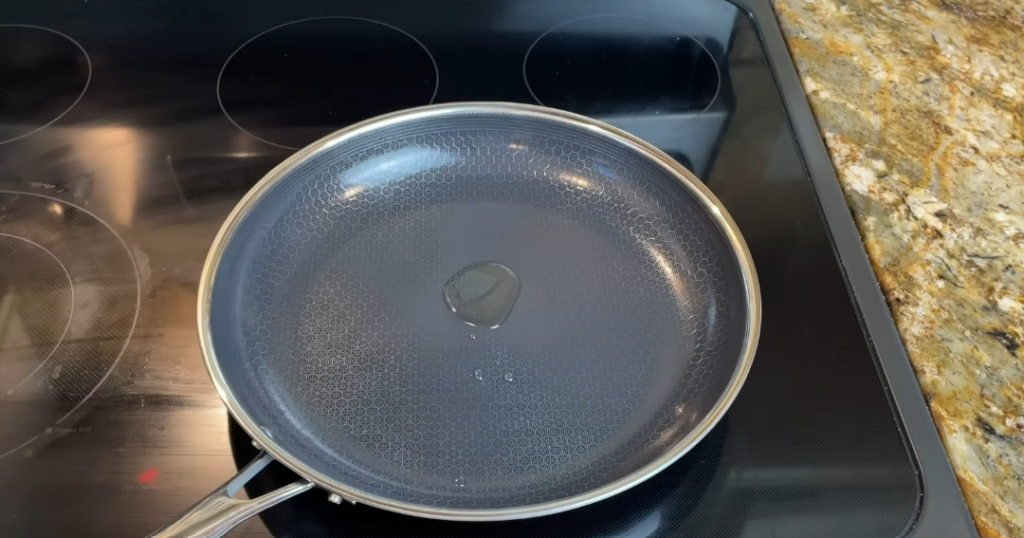
HexClad reached a $2.5 million class action settlement by June 2025. The business vehemently and repeatedly denied any misconduct, even in direct answers to clients who asked about the matter. The eligible products were listed on the settlement website, and customers who had bought particular HexClad Hybrid products between February 2022 and March 2024 were asked to submit claims by November 14, 2025. There were about 209,000. Individual payouts differed; some claimants stated they received about $198, while others with larger documented purchases were paid more. Another question is whether those sums felt sufficient to consumers who had paid $150 to $200 or more for individual pans, specifically based on health-safety marketing claims.
HexClad’s reaction to the entire incident has been an example of cautious business language. “HexClad believes that the lawsuit has no merit and vigorously denies and continues to dispute the claims,” the business responded to inquiries from clients. “In the end, we decided to settle the case so that we could keep concentrating on giving our customers the best cookware available.Settlements don’t require admissions of wrongdoing, so that’s the standard denial language used in settlements, and it’s legal. However, it does put customers in a somewhat peculiar situation as they attempt to reconcile a $2.5 million payout with a business that maintains there was nothing wrong.
Here, the larger context is important. In recent years, HexClad has not been the only cookware brand to come under fire for chemical claims. There was a market need for “safe” cookware substitutes as a result of consumers moving away from conventional non-stick coatings due to worries about PFOA, which was phased out under EPA pressure, and more recently, PFAS in general. Marketing language advanced more quickly than regulatory oversight as brands scrambled to satisfy that demand. Similar “non-toxic” stances helped Caraway, Our Place, and others gain sizable fan bases. At least on this scale, HexClad was the first to appear in a California courtroom.
It’s difficult to ignore the fact that, apart from the chemical controversy, HexClad’s actual performance reviews continue to be genuinely positive. The pans were found to be strong, adaptable, and well-made by several testers who used them for extended periods of time. The hexagonal design is effective. Compared to most similar products, the hybrid surface does deliver something that is closer to the performance promise. In a sense, this makes the lawsuit more complicated rather than easier. This isn’t an instance of a bad product concealed by effective advertising. It’s possible that a genuinely good product is concealed behind marketing claims that go beyond what the chemistry could support.
Since the settlement, HexClad has claimed that TerraBond, a new proprietary ceramic coating that it claims is free of both PTFE and PFAS, is used in its current products. It remains to be seen if that formulation can withstand independent testing over time. Anything sold after March 2024 is not covered by the current class action because the settlement covered a specific purchase window that ended on that date. Depending on how much weight you place on corporate self-reporting on ingredient safety, consumers purchasing HexClad today are essentially putting their trust in the company’s updated claims, which could be either comforting or exactly the kind of thing that leads to future lawsuits.
Observing the cookware industry navigate this moment gives me the impression that the “forever chemicals” debate is far from over. Companies in a variety of industries, not just cookware, are adjusting their materials and marketing strategies in response to the increasing regulatory scrutiny of PFAS compounds. The $2.5 million settlement with HexClad is just one piece of information in that bigger picture. It’s probably too early to say whether it established a reasonable cost of doing business or, as some customers put it, taught the company enough of a lesson.
