

Amazon’s $2.5 billion settlement with the Federal Trade Commission is a remarkably significant event. A new regulatory focus on digital fairness is highlighted by the case, which found the retail behemoth guilty of using deceptive subscription designs to lure customers into its Prime program. Amazon is admitting to actions that the FTC found to be both dishonest and remarkably successful at increasing profits through confusion by agreeing to pay $1.5 billion in refunds and an additional $1 billion penalty.
Millions of customers were automatically enrolled in Prime subscriptions while they were shopping, as revealed by the FTC’s investigation. Simple checkout processes frequently had pre-selected boxes, deceptive buttons, and hidden prompts that resulted in unwanted memberships. It was very annoying to cancel those subscriptions—an intentionally difficult process that many users referred to as “a digital obstacle course.” Internal documents showed that Amazon employees described these practices as “shady,” “manipulative,” and even “an unspoken cancer” within the company’s consumer interface strategy. This evidence was especially damning.
Amazon’s subscription business model has long been praised as one of the most successful developments in retail history. Beneath that achievement, however, was a design system that made money off of misunderstanding rather than practicality. According to the FTC’s complaint, Amazon’s cancellation policy was purposefully onerous, meant to deter customers until they gave up on trying to cancel. Known as a “dark pattern,” this practice is currently at the forefront of international discussions concerning digital consumer rights.
Amazon Prime Refund FTC Settlement – Case Overview
| Category | Details |
|---|---|
| Defendant | Amazon.com, Inc. |
| Oversight Authority | Federal Trade Commission (FTC) |
| Total Settlement Amount | $2.5 billion |
| Breakdown | $1 billion in civil penalties; $1.5 billion in consumer refunds |
| Eligible Customers | Approximately 35 million Prime subscribers in the U.S. |
| Refund Range | Up to $51 per customer |
| Time Frame for Eligibility | June 23, 2019 – June 23, 2025 |
| Refund Distribution | Automatic refunds by December 24, 2025; claim window from Jan 23 to July 23, 2026 |
| Allegations | Deceptive Prime enrollment flows, complicated cancellation processes |
| Reference | FTC Official Website (https://www.ftc.gov/news/press-releases/2025/09/amazon-refunds) |
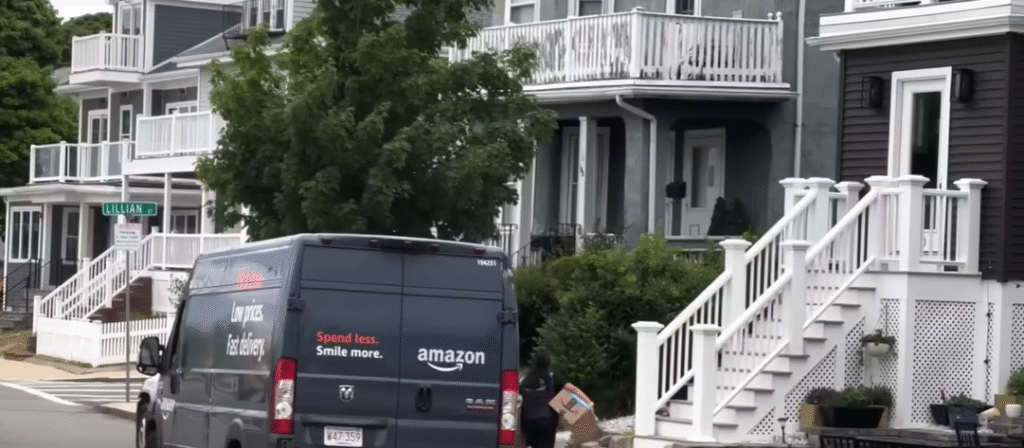
The settlement was hailed as “a victory for fairness and clarity” by FTC Chair Andrew Ferguson. Customers have the right to make educated decisions without being duped by interface design, he said. His remarks struck a chord in the tech industry, reaffirming that openness is a duty rather than just a virtue. The ruling’s remarkably wide application sends a message to all digital businesses: deceptive profits come at a high cost.
By December 2025, the settlement’s refunds will be disbursed automatically. Depending on usage and enrollment information, each qualified customer may receive up to $51. Beginning in January 2026, those who do not receive automatic payments will have the chance to submit claims. The FTC made it clear that payments would be made directly rather than as promotional balances or Amazon credits.
Amazon’s response was both forward-thinking and noticeably defensive. Although the business “strongly disagrees” with the FTC’s allegations, it has accepted the settlement in order to “move forward and focus on innovation.” The company is working to make Prime’s cancellation policy “exceptionally clear and customer-friendly,” executives stressed. Although the statement aims to be upbeat, it also represents one of the few times that Amazon has to publicly respond to criticism of its internal procedures rather than its goods.
This settlement is especially significant because of how it has affected the subscription economy as a whole. Businesses that depend on recurring payments, such as Adobe, Netflix, and Spotify, are now reassessing their user experiences to guarantee transparency. According to legal experts, this case will set the standard for FTC actions against misleading online designs in the future. The precedent is unambiguous: when design decisions, like color, layout, and button placement, influence behavior, they can also have legal significance.
The case is very advantageous for consumers. In addition to offering immediate monetary compensation, it fortifies protections against exploitative digital ecosystems. Many users now experience subscription fatigue, frequently becoming entangled in services they never intended to keep. Users feel empowered by the FTC’s victory, which serves as a reminder that consent should never be sacrificed for convenience.
The ramifications of the lawsuit go beyond online shopping. The entire tech sector is being pressured to adopt an accountable culture. Tim Cook and other tech executives have hailed “user transparency” as a fundamental tenet, and European regulators have already started developing comparable policies to combat dark patterns. The FTC’s action against Amazon is the first significant test of these rules in the US, and if it is successful, it may lead to a more widespread change in policy toward digital justice.
The settlement represents a significant change from a societal standpoint. In a time when data-driven interfaces rule, it reinterprets what ethical design looks like. Customers are no longer passive participants; instead, they are conscious of, vigilant about, and becoming more assertive about their rights online. This change positions users as active stakeholders rather than just data points, reflecting broader trends in data privacy, algorithmic transparency, and online accountability.
