

Over the course of more than thirty years, Floyd Mayweather has created one of the most meticulously crafted personal brands in American sports history. the moniker. The piles of money. The Rolls-Royces were parked outside the residences in Las Vegas. “Money May” was more than just a ring name; it was a way of life that was meticulously upheld in every press conference and social media post, presenting the picture of a man for whom having enough of money was just a given. It is far more difficult to maintain that image when you are charged with two felonies in Las Vegas for a purportedly rejected check on a $200,000 watch transaction.
The allegations are related to an event that occurred in December 2024 and were brought by the Clark County District Attorney’s office in April. In order to buy a watch, Mayweather issued a $200,000 check through Wells Fargo to Gold and Beyond, a high-end designer resale business in Las Vegas, according to the criminal complaint. Prosecutors claim there weren’t enough funds in the account.
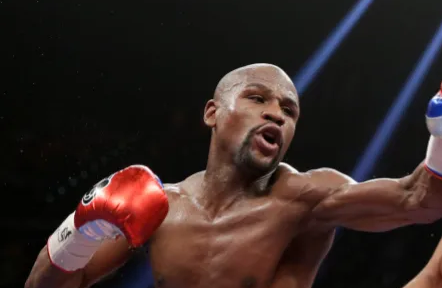
Felony theft, which covers sums above $100,000, and drawing or passing a check with intent to defraud, which covers sums over $1,200, are the offenses. They’re both serious. One to four years in prison might result from a conviction on the fraud charge alone. The maximum sentence for the stealing charge is one to twenty years.
Mayweather’s first court appearance was set for Monday in Las Vegas Justice Court. He wasn’t present. The fact that his lawyer showed up on his behalf is both legally acceptable and standard procedure, but it’s also the kind of detail that draws attention when the defendant has spent years portraying an image of someone who shows up and rules. A hearing in September is the next important date. Mayweather’s legal team has a few months to prepare whatever it is.
The accusations from Las Vegas are not isolated. Mayweather was sued in New York earlier this year for allegedly failing to pay rent on an apartment in Manhattan. He has been involved in financial disputes with several jewelers, a type of creditor that shows up in his legal record at an unusually high frequency, indicating a trend of expensive luxury purchases leading to disputed payment issues.
Additionally, he sued a former business manager in New York, alleging that a long-running fraud conspiracy had been working against his interests. When considered collectively, the legal calendar paints a picture that is difficult to reconcile with the “Money” image, or at the very least, it begs the question of whether the infrastructure for lifestyle has been outpacing the actual finances.
Another level of complication is added by the boxing return. Earlier this year, Mayweather declared that, at the age of 49, he will come out of retirement and resume competitive boxing this summer. The news didn’t cause the same level of surprise as it might have ten years ago since he had done this before—retirement, comeback, exhibition circuit.
However, the timing—arriving in the midst of several civil lawsuits and felony charges—creates a contextual contradiction that his previous comebacks lacked. It’s likely that the return is just what it sounds like: a fighter who is physically capable of performing at a certain level but misses fighting. The timing may also be influenced by the financial picture that is being presented in the courts.
