

Fans of Kansas City baseball most likely have a picture in the back of their minds of Kauffman Stadium on a hot summer’s evening with the scoreboard glowing and the fountains running behind the outfield wall. It’s a lovely spot to watch a game. However, the scene shifts when you drive past the nearby streets and head to the parking lot following the final out. Once you notice it, it’s difficult to ignore the desolation of the area surrounding the complex—wide, deserted roads with little else, no neighborhood to stroll into, no bar to visit, just an ocean of asphalt and a long drive home. This stadium discussion has been driven for years by this reality more than anything else.
| Category | Details |
|---|---|
| Team | Kansas City Royals (MLB) |
| Current Stadium | Kauffman Stadium, 1 Royal Way, Kansas City, Missouri |
| Proposed Location | Washington Square Park / Crown Center area, Downtown Kansas City |
| City Council Vote | 11-1-1 in favor (passed April 17, 2026) |
| City Funding Proposed | Up to $600 million |
| City Manager Authorized | Mario Vasquez (to negotiate lease and development agreement) |
| Financing Structure | Sales tax on items purchased at stadium/entertainment district; tax district around project area |
| Team Statement | Expressed gratitude but stopped short of commitment |
| Mayor | Mayor Quinton Lucas (Mayor Q) |
| Next Steps Required | State contribution confirmation, full lease approval, Parks Board sign-off, final City Council vote |
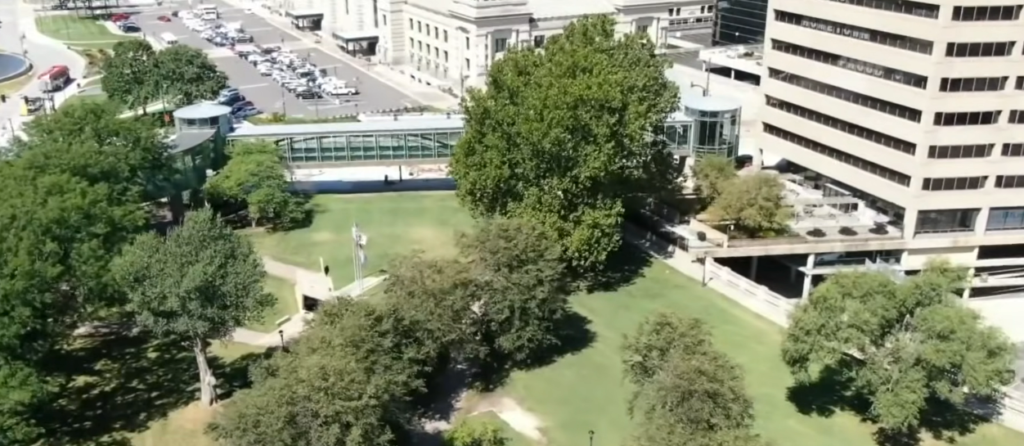
A financing ordinance authorizing City Manager Mario Vasquez to formally negotiate a $600 million term sheet with the Royals for a new downtown ballpark in the Washington Square Park and Crown Center area was passed by the Kansas City, Missouri City Council on April 17 by a vote of 11-1-1. A “big, fancy announcement” is expected soon after the vote, according to Mayor Quinton Lucas. As expected, the fan base erupted. Something felt genuine at last after years of stadium talk that never really took off. A tiny bit.
However, it’s worth pausing to notice how much work the word “authorize” is doing in that sentence. The council did not approve a lease, a construction schedule, or a signed agreement; rather, it approved permission to negotiate. The ordinance’s Section 3 instructs the city manager to negotiate the specifics with the Royals, pertinent developers, city incentive organizations, and other stakeholders. Any meaningful financial structure, lease agreement, or actual funding commitment must still be returned to the council for a second vote. Since the state has a funding figure ready, the Royals already have renderings of the stadium and its surrounding entertainment district, and there are reliable reports that the lease details have already been discussed behind closed doors, it’s possible that all of that is merely a formality at this point. However, “done deal” and “mostly a formality” are two different things.
Following the vote, the Royals made a very cautious statement. Referring to “the largest private investment in Kansas City history,” they thanked local authorities and expressed their excitement about the prospects. They made no mention of constructing a stadium. This entire process has been characterized by a persistent gap between the team’s measured language and the city’s enthusiasm: the organization responds with language that leaves all options open, while the mayor talks about the project as if it’s practically settled. Before making a public commitment, the Royals might just be awaiting final confirmation of the state’s financial contribution. They may also need to keep a small distance until the final dollar is paid because of their negotiating stance.
It is worthwhile to observe the financing model itself. The majority of the $600 million from the city is anticipated to come from a sales tax that is imposed on purchases made at the stadium and in the surrounding entertainment district, such as tickets and concessions. This tax is derived from the activity that the ballpark generates rather than from the larger city tax base. That tax district’s borders will be crucial, and there are valid concerns about how they are drawn and whether they go farther than anyone is currently claiming. Even though the council’s vote is significant, it is still only a framework rather than a completed structure because these are the kinds of details that often become complicated in the final negotiations.
As this develops, there’s a sense that Kansas City is actually getting close to something. Cities like Atlanta and San Diego have demonstrated what an anchor project like downtown baseball, a streetcar connection, or an entertainment district surrounding a contemporary stadium can do for a neighborhood. The kind of detail that would make the entire project feel less like a sports facility and more like a legitimate urban investment is getting the streetcar line operational in tandem with a new stadium. A series of agreements between the state, city, team, and parks board must all hold together simultaneously for that vision to fully materialize. They appear to be heading in the right direction for the most part. However, most is not all, and in stadium deals, the last details tend to get complicated.
