An eclipse of the moon is a quiet but amazing sight. You don’t need to wear safety glasses or any other special gear, and you don’t have to buy a livestream subscription. You just need a clear sky and the will to stay up a little later than usual. Two of them will happen this year, in 2026, and one of them is pretty close to a total eclipse without being called one.
The first event of the year was a total lunar eclipse on March 3, which was best seen from Europe, Asia, and Africa, where the Moon was full and red. It was the right version—deep, full, and really striking. For many people in those areas who like to look at the stars, it came on a cold, clear nite like those where your breath fogs up and the Moon looks scary bright. Just because of that event, 2026 would have been a good year to see the moon. But August is giving us something almost as great.
The Moon goes through Earth’s dark central shadow, called the umbra, on the nite of August 27 and early hours of August 28. At its fullest eclipse, 96% of the Moon’s disk is covered. Take a moment to think about that number. For all intents and purposes, at 12:13 a.m. In Eastern time, the Moon will look like it is almost completely swallowed. As long as it stays in direct sunlight, the last thin layer will turn the northern edge silver, while the rest glows in deep copper and orange tones. The color comes from the light that bends inward through the atmosphere as every sunrise and sunset happens at the same time around the edges of the Earth. This is what gives these events the name “blood moon.” The science behind it is almost more interesting than the name.
A lot of people can see this August eclipse. If the weather is good, most of North and South America will see the whole show. From the West Coast of the United States, the partial phase will already be well under way by the time the Moon rises above the horizon. This may annoy some, but it will also excite photographers who know that the sight of a partially shadowed Moon rising against a dark sky is worth chasing. The eclipse happens early in the morning on August 28 in Europe and western Africa. The partial phases last from about 2:33 to 5:52 UTC. The window is long enough to be comfortable, which doesn’t happen all the time.
Talking to amateur astronomers gives me the impression that deep partial eclipses aren’t given enough attention. When people don’t get totality, they look at anything else as a reward. That needs to be pushed back a bit. When this eclipse happens, it will cover 96% of the Moon, making it dark enough to see the stars and parts of the Milky Way that you can’t see on a full moon nite. Over the course of an hour, the sky slowly went from being washed out to being dark. It was one of those small changes in the sky that feels bigger than it really is.
The Babylonians were the first people to be able to accurately predict lunar eclipses. They were so afraid of them that they put in place a temporary “substitute king” when one was supposed to happen. The idea was that if an eclipse predicted the king’s death, someone else should take the title and the curse for a short time. The substitute would rule for one hundred days and then be killed in a ritual way. It’s a bad workaround that modern astronomy has very thankfully made unnecessary. These days, clouds are the only thing that gets in the way of a good view of a lunar eclipse. However, clouds are harder to predict than orbital mechanics.
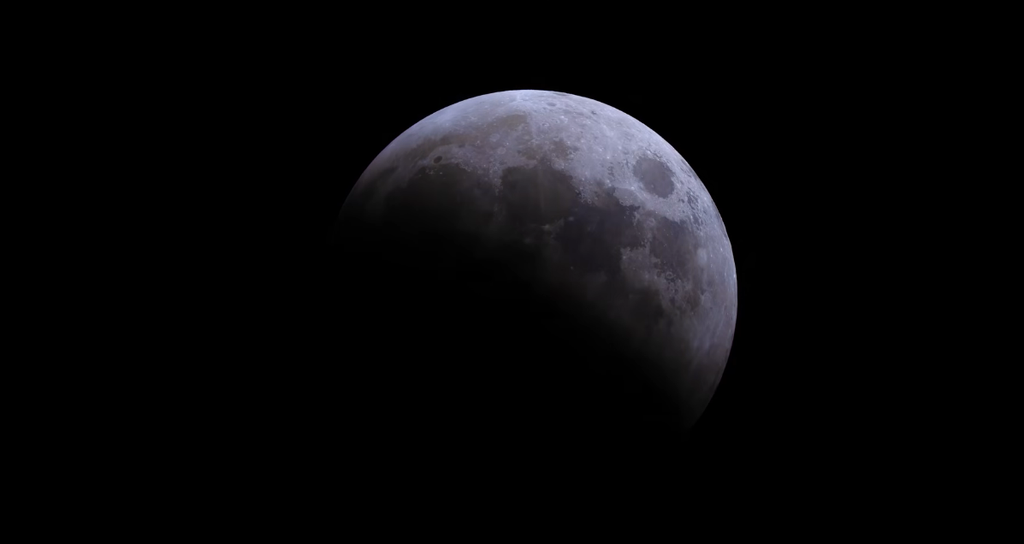
If you want to see the eclipse in August, you don’t need to do anything else besides check the weather forecast. You can see the texture of the shadowed moon’s surface better with binoculars or a small telescope. Pay close attention to how the reddened area fades unevenly across different crater fields. But looking with the naked eye is fine. The partial phase lasts for almost three and a half hours, which is a long time.
It won’t be until June 26, 2029, that the next lunar eclipse with the same level of depth will happen in the Americas. That one will be total. The event in August is almost at that level, which makes it more interesting in some ways. There’s just enough of it to make you feel whole without being there. The thin strip of direct sunlight on the northern limb shows how accurate these alignments really are.
Article Information Table:
| Detail | Information |
|---|---|
| Topic | Lunar Eclipses 2026 |
| Total Eclipses in 2026 | 4 (2 solar, 2 lunar) |
| First Lunar Eclipse | March 3, 2026 — Total Lunar Eclipse |
| Second Lunar Eclipse | August 27–28, 2026 — Deep Partial Lunar Eclipse |
| Eclipse Type (August) | Deep Partial (near-total) |
| Coverage at Peak | 96.3% of Moon’s disk within Earth’s umbra |
| Peak Eclipse Time | 4:13 UTC (August 28) / 12:13 a.m. EDT |
| Partial Eclipse Begins | 2:33 UTC / 10:33 p.m. EDT (August 27) |
| Partial Eclipse Ends | 5:52 UTC / 1:52 a.m. EDT (August 28) |
| Moon Appearance | Copper-red / blood moon coloring |
| Visible From | North & South America, western Europe, western Africa |
| Special Equipment Needed | None — safe for naked-eye viewing |
| Optional Equipment | Binoculars or small telescope enhance detail |
| Saros Series | Saros 138 |
| Previous Eclipse in Series | August 16, 2008 |
| Next Eclipse in Series | September 7, 2044 |
| Next Comparable Eclipse (Americas) | June 26, 2029 (Total Lunar Eclipse) |
| Why Moon Turns Red | Earth’s atmosphere bends refracted sunlight into the umbra |