

During election years, there’s a certain amount of tension in the air. It’s in the way people talk at dinner, the number of tabs open on someone’s laptop at a coffee shop, and the question, “Is this one going to be okay?” that people ask in a casual but slightly worried way. More weight than most is being put on the 2026 midterm election in the United States, which is now getting closer to a date that no president can legally change on the calendar.
Also, it’s important to make this point clear right away: the election is happening. Since it was written into law many years ago, Election Day always falls on the first Tuesday after the first Monday in even-numbered years. That could not be changed without a law from Congress. The president doesn’t have any power over it. The courts have said this many times, and the administration has learned this the hard way so far, despite its goals.
Federal courts have stopped two executive orders that President Trump said would change the way elections are run. The legal reasoning wasn’t hard to understand. Instead of the White House, the U.S. Constitution says that the states decide the “Times, Places, and Manner” of federal elections. That’s been the case since the beginning. It’s still true. As more and more court decisions are made, it seems like the constitutional checks and balances are still in place, even though they’re being pushed too far.
It would not be true to say that nothing has changed, though. The administration got rid of all the commissioners on the Election Assistance Commission, which means it no longer has the majority of members it needs to approve voting systems. It’s never happened before. It used to be that the Cybersecurity and Infrastructure Security Agency was one of the main groups protecting election infrastructure. But under this administration, that role has shrunk. And decisions like Louisiana v. Callais have worn down protections for voting rights that have been in place for a long time. The structure is still there, but it’s been under a lot of stress.
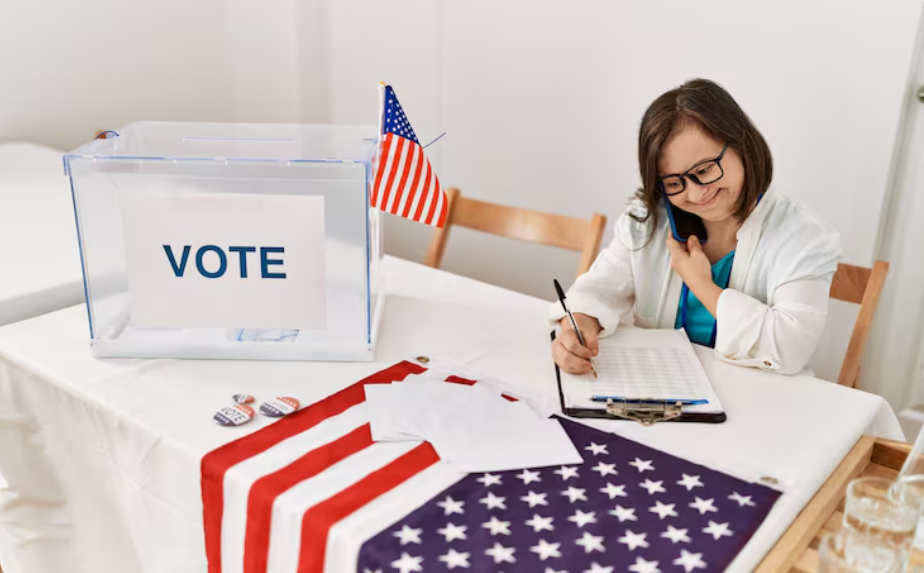
What about the county clerks, state officials, and poll workers who are spread out across thousands of precincts and actually run the elections? Their jobs are still being done. In the noise of national politics, that’s easy to miss, but it’s very important. A decentralized system runs elections in this country at the state and local levels. This means that any centralized “takeover” would be illegal and make no sense from a practical point of view. You can’t just pull one lever. There are a million.
As expected, voter fraud has come up again as a topic of conversation. The alarm isn’t backed up by the numbers. From 2005 to 2022, Texas, a big state with strict laws, found fraud in about 0.000096 percent of the ballots that were cast. About 103 out of 107 million ballots were valid. The verification systems work, so when fraud does happen, it’s almost always caught. It’s not very exciting to talk about things like matching signatures, provisional ballots, and proof of chain of custody, but they all work.
A more realistic worry going into November isn’t that ballot boxes will be stuffed. They are about making people doubt their ability to vote, about keeping them from going because they’ve been told, through a cloud of rhetoric, that it doesn’t matter anyway. That’s a smarter and more effective way to mess things up than fraud ever was. This is also the one that voters can directly fight back against.
It takes five minutes to check your voter registration status. Making a plan to vote, whether in person or by mail, and following the directions to the letter doesn’t cost much. It costs even less to ask a neighbor where to vote. It might not seem important, but that’s probably the point. Right now, the loudest threats to democracy depend on people not taking part. For them, people need to feel like they can leave.
It’s still not clear what will happen in the next few months, what legal challenges will come up, or what new actions the president might try. But one thing is pretty much certain: the midterm elections in the US will happen. That event is likely to say more about the strength of American politics than almost anything else this year.
