

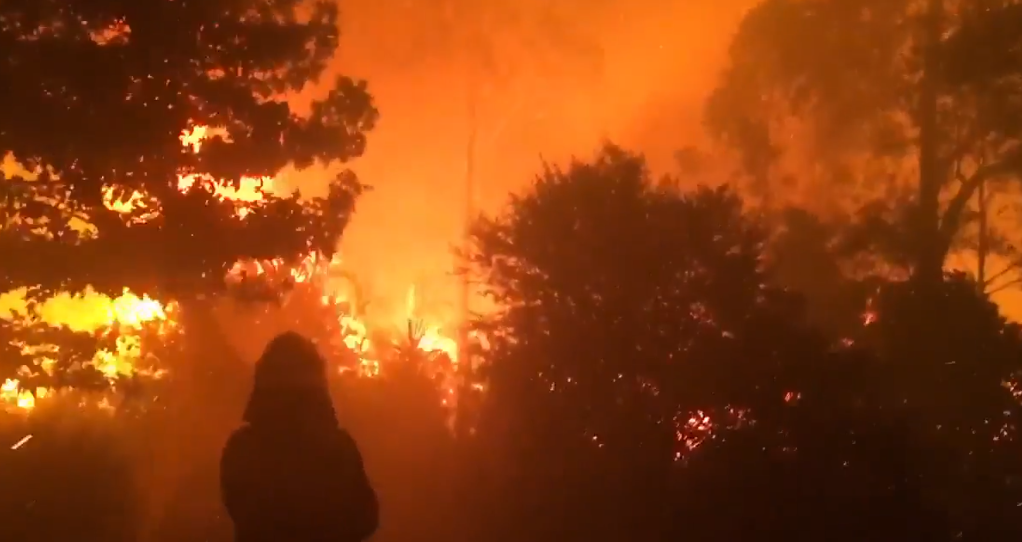
In a small town, there are times when everything changes. Grief tends to move quietly, not dramatically or with fanfare. One such instance was the fire that destroyed a house on Warden Street in Ulladulla on the evening of August 13. A woman was gone by the time Fire and Rescue NSW managed to contain the fire, and the community was left standing in that specific silence that follows tragedy.
Erin Key was her name. Words like “bright” and “loving” were used by people who knew her; these are the kinds of words that come from genuinely knowing someone, not from obligation. Since then, her friends and family have come together to give her the funeral she deserves, which speaks volumes about how well-liked she was in this seaside community south of Sydney.
It’s rare for Ulladulla to make national news. Located on the Shoalhaven coast, it has the laid-back vibe of a local community, complete with tourism, fishing, and neighborhoods where residents still know one another by name. This is one of the reasons why a loss like this is so devastating. Everyone is impacted when the affected area is small.
Fire and Rescue NSW was identified as the responsible agency, and the NSW Rural Fire Service categorized the Warden Street incident as a structure fire. Around the same time, Station 384 from Moruya was moved to Ulladulla for fire watch through the early morning hours due to a different grass fire in the same area. In summary, it was a hectic and challenging nite for local emergency personnel.
The exact order of events inside that house is still unknown and may not have been thoroughly examined. Residential structure fires frequently result from a confluence of factors, such as delayed detection, compromised exits, or the straightforward, brutal speed at which a fire spreads once it takes hold. Similar concerns were raised by a different house fire in Sydney’s Villawood around the same time that claimed the life of a 78-year-old woman and was linked to a cooking accident. In that instance, authorities strongly advised locals to make sure their smoke alarms were working. It’s a subtle but powerful suggestion.
Australia has experienced enough fire tragedies to understand that discussions about prevention frequently come after loss rather than before it. A national reckoning with fire preparedness was brought about by the 2019–20 Black Summer, which burned through about 24 million hectares, directly killed 33 people, and caused an estimated $100 billion in damage. However, it makes sense that the focus of that reckoning was on landscape-scale disasters and bushfires. Because they are smaller and less dramatic, residential fires are easier to ignore when discussing policy. They continue to murder people.
In recent weeks, there has been a noteworthy trend in NSW. Numerous families have had to deal with the unexpected and confusing experience of witnessing the destruction of their homes due to fire. A working smoke alarm is said to have saved the lives of a family of eight in Western Sydney, who lost ten years of life in one nite. It’s difficult to accept the contrast.
Policy is not Ulladulla’s immediate concern. A woman will no longer be present at the table, and the family is attempting to make sense of the loss. The community seems to be supporting them in the same way that small towns do—quietly, practically, and without focusing on anything but the individual at the center of it.
Physical scars from fires fade over time. They usually don’t leave any on people.
