

It began with a chilly swim in the ocean. In a Sydney federal courtroom, an experienced lawyer referred to one of Hollywood’s most famous faces as a “fantastical liar.” Regardless of your preconceived notions about Rebel Wilson—her relatable underdog persona and her astute comedic timing—the defamation lawsuit filed by young Australian actress Charlotte MacInnes is revealing a much more nuanced picture of her off-screen persona.
MacInnes starred in Wilson’s first feature film, The Deb, after graduating from the Western Australian Academy of Performing Arts in 2021. Wilson’s Instagram posts from 2024 and 2025 are the subject of her current lawsuit, which she claims damaged her reputation by implying that she withdrew a sexual harassment complaint in exchange for professional favors. Wilson has refuted any fabrications. She claims that after receiving “huge enticements”—among them, a lead stage role and a record deal—MacInnes changed his mind after telling her something unsettling.
On the surface, the incident at the center of this case seems almost unremarkable. MacInnes and Amanda Ghost, a producer on The Deb, went swimming at Bondi Beach in September 2023. Ghost experienced uncontrollable shaking and red welts as a result of an allergic reaction to the cold water. To warm up, the two women went back to Ghost’s opulent beachfront rental. They drew a bath. Both entered in their bathing suits. Ghost’s helper sat with them for a short while and brought hot beverages. According to almost all of the testimony given in court, nothing improper happened.
However, what transpired next made that ordinary afternoon into a legal drama. Wilson’s affidavit states that MacInnes informed her the next day that she felt uneasy about the situation. Wilson claims that she was genuinely worried, shocked, and troubled. However, this is where the narrative breaks down. Shortly after speaking with MacInnes, Wilson texted Ghost, saying, “Charlotte says all good.” She didn’t mean to imply that she was personally uncomfortable, but rather that “it was a bizarre situation.” The message was presented to the court, but it raises more questions than it answers.
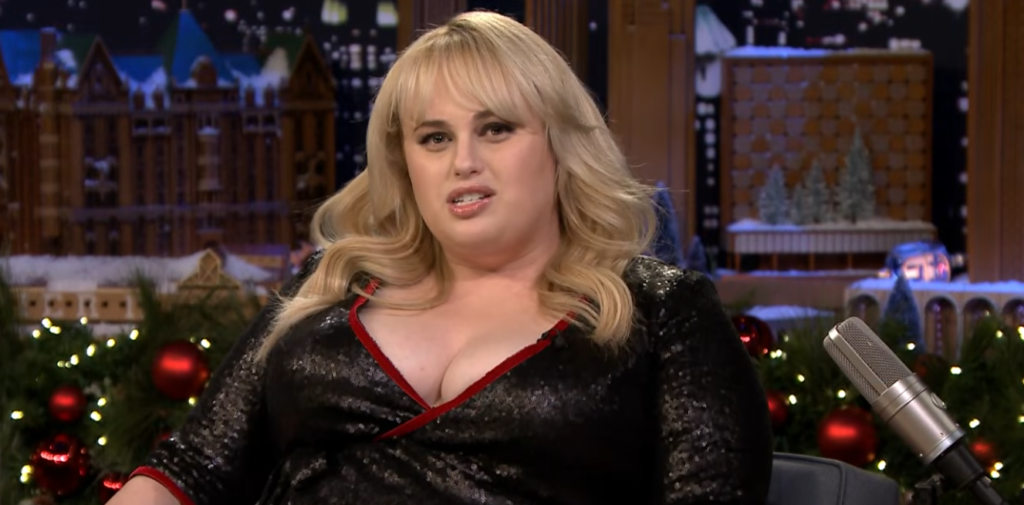
Greer Simpkin, the local producer on The Deb, was torn between two bosses. In contrast to Wilson’s claim that they talked about the bath incident that same night, she told the federal court that she hadn’t even spoken to him about it until days after it happened. She wrote in an email that MacInnes appeared to be “walking back” whatever she had told Wilson after learning of the conflicting memories. “I feel there is some fudging being done by Charlotte,” she said. She admitted to the court that she was unsure of what she meant when she used that word. It’s the kind of detail that carries quiet weight during a trial.
Wilson’s legal team has consistently relied on the claim that MacInnes’s career has not suffered. The majority of quantifiable indicators indicate that it has improved since the social media posts. new roles in acting. A record deal. A production on stage. Justice Elizabeth Raper will eventually have to decide whether that supports Wilson’s version of events or merely demonstrates that MacInnes survived a public smear.
In closing arguments, MacInnes’s attorney, Sue Chrysanthou SC, informed the court that Wilson’s story “defies logic.” She claimed that Ghost was experiencing a medical episode and that it is hard to believe that sexual harassment would take place during such a time. She claimed that Wilson had created a “complete revision of history.” Wilson’s own legal team retaliated, claiming that MacInnes had altered her account and that her subsequent professional benefits were not accidental.
From the outside, it seems like this case has grown to be about more than a single Instagram post or a beach day. It discusses how influential women in the entertainment business respond to—or fail to respond to—complaints from people with less clout. It calls into question who has the final say and what “walking back” a disclosure actually entails. Whatever the outcome of the Charlotte MacInnes lawsuit, one thing has already been accomplished: it has compelled a public examination of how these dynamics manifest, even when the parties involved are women protecting other women. or making that claim.
It is anticipated that Justice Raper will hold off on making a decision. When the verdict is rendered, the legal issue will be resolved. Long after, the murkier questions about loyalty, power, and truth on a movie set will probably still be present.
