

On a Thursday morning in Naucalpan, Estado de México, a group of women waited outside of a local government event for a pension card in their own names, which hadn’t been possible even five years before. Some had been cooking, cleaning, raising kids, and keeping homes together for almost forty years without getting a single peso of formal recognition. About 20,000 of them were getting something back that day, just in Naucalpan.
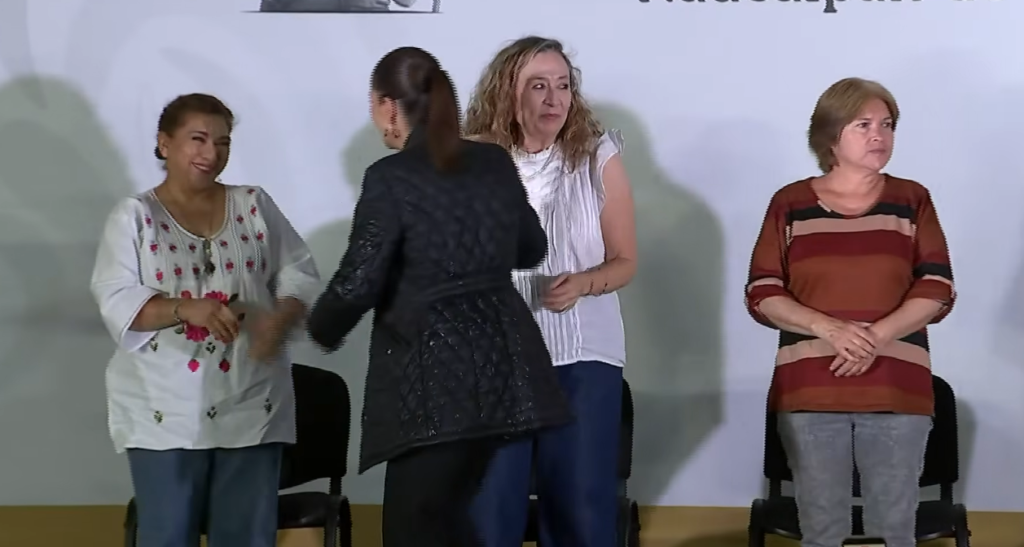
Pensión Mujeres Bienestar is a federal program in Mexico for women aged 60 to 64 that gives them 3,100 pesos every two months, which is about $180 at the moment. It’s not a lot of money. But for women who have never had a job, never put money into a pension plan, or had the kind of retirement security that salaried workers take for granted, this is the first money that is truly theirs. Since President Claudia Sheinbaum Pardo pushed for the program to grow, it has now reached almost 3 million women across the country. Take a moment to think about that number.
A bigger story is at play here than just the policy paperwork. Mexican women, especially those from working-class and rural areas, have built the stability of their families for generations without having a financial safety net of their own. For a long time, caregiving was seen as something that only women did and wasn’t recorded in any economic records. The book Mujeres Bienestar tries to put a number on it in a way. The question of whether 3,100 pesos every two months is enough payment is a different one, and critics may keep asking for more.
One of the program’s recipients, Leticia Hernández Juárez, spoke at the Naucalpan event. She said that she can’t take on clients anymore because of her health, even tho she has been a hairdresser for more than 40 years. She said that the pension would help her pay for daily things. It’s not a strange story. As I watch it happen, I get the sense that the program is catching women at a very vulnerable time: the time between no longer working and officially retiring, which they were never eligible to do.
The program is different from another one called Mujeres con Bienestar, which is run at the state level in Estado de México and helps women between the ages of 18 and 59 who are in dangerous situations. That program gives you 2,500 pesos every two weeks. Together, the two programs lay out a goal: to help older women in their last few years of work and to create something more like a steady economic floor for women of all ages.
To enroll, most Mexican women already have a valid driver’s license, birth certificate, CURP number, and proof of their most recent address. There is friction in the process. In places where people don’t have easy access to computers or transportation, getting those papers together and showing up in person is still a problem. It’s still not clear how well the government is reaching women in the most remote areas, and the gap tends to get bigger right where help is most needed.
But the scale is still big. Payments to women in every state have been confirmed by the Secretaría de Bienestar. The political energy around the program, shown by high-profile delivery events, a strong social media presence, and consistent messaging from both federal and state officials, suggests that this won’t go away. Once these kinds of programs are up and running and getting support from millions of direct beneficiaries, they are hard to take down.
The bigger picture is also important. Between 2018 and 2026, Mexico’s minimum wage more than tripled. At the same time, the government added 18 women to the national civic calendar, made gender equality a constitutional right, and built over a thousand LIBRE support centers for women across the country. It’s really not clear if these steps are part of a feminist policy agenda or just a bunch of well-meaning gestures. At the very least, Mujeres Bienestar gives real money to real people, which is harder to ignore than a promise.
| Field | Details |
|---|---|
| Article Title | Mexico Is Paying Millions of Women for Decades of Unpaid Work — Here’s How It Works |
| Topic / Keyword | Mujeres Bienestar |
| Language | English |
| Word Count | ~620 words |
| Category | Social Policy / Women’s Issues |
| Program Name (Federal) | Pensión Mujeres Bienestar |
| Program Name (State) | Mujeres con Bienestar (Estado de México) |
| Target Age Group (Federal) | Women aged 60 to 64 years |
| Target Age Group (State) | Women aged 18 to 59 years (vulnerable conditions) |
| Payment Amount (Federal) | 3,100 pesos bimonthly |
| Payment Amount (State) | 2,500 pesos bimonthly |
| Total Beneficiaries (National) | Nearly 3 million women |
| Beneficiaries in Estado de México | 361,000 |
| Beneficiaries in Naucalpan | Approximately 20,000 |
| Key Documents Required | Voter ID, birth certificate, CURP, proof of address |
| Key Figure Referenced | President Claudia Sheinbaum Pardo |
| Beneficiary Story | Leticia Hernández Juárez, hairdresser for 40+ years |
| Event Location Referenced | Naucalpan, Estado de México |
| Program Administered By | Secretaría de Bienestar (Federal); Estado de México Government (State) |
| Publication Date | August 10, 2026 |
| Tone | Observational, thoughtful, mildly critical |
| Recommended Category Tag | Mujeres Bienestar, Social Programs, Mexico Policy, Women’s Rights |
