

Between Palenque and Escárcega, there is a specific section of track where the jungle closes in on both sides. trees. thick green. The occasional glimpse of motion. And then, cutting thru it all, a contemporary train moving at speeds that seem a little out of step with the scenery. The most accurate way to comprehend the Tren Maya is probably to look at this tension between what was here and what has been constructed.
The railway, which began full operations in December 2023, covers 1,554 kilometers across five Mexican states: Chiapas, Tabasco, Campeche, Yucatán, and Quintana Roo. It passes thru ancient Maya territory and some of the most ecologically sensitive land in the Americas as it makes a rough arc around the Yucatán Peninsula, connecting Palenque to Cancún’s international airport. The project ran about three times over its initial budget, costing between $28 and $30 billion. It was dubbed the world’s greatest construction project by President Andrés Manuel López Obrador. Environmentalists gave it a completely different name.
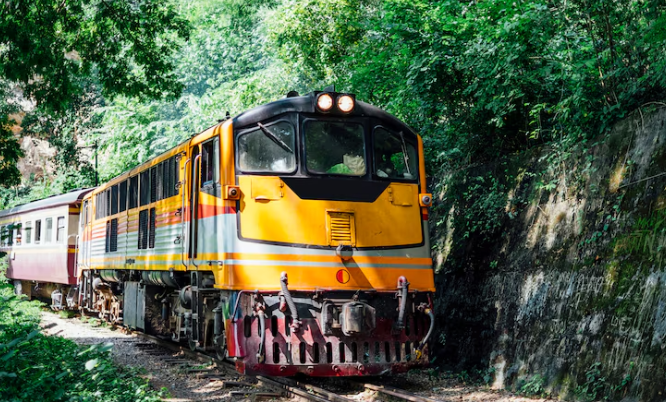
It’s important to remember that the concept wasn’t all that horrible. For a long time, coastal tourism dominated the Yucatán Peninsula. Resorts like Cancún, Playa del Carmen, and Tulum grew wealthier while inland communities remained mostly unaware of outside investment. The train was supposed to fix some of that imbalance, drawing visitors toward lesser-known Maya archaeological sites, smaller towns, cenotes, and the quieter culture of the southeast. That’s a reasonable goal in theory. It is still unclear if the execution was in line with the original plan.
When construction started in June 2020, it moved quickly, which clearly unnerved some engineers. According to a market survey at the time, most construction companies thot the timeline was unrealistic. The project has been connected to over 60 workplace fatalities. Allegations of expensive and defective materials, numerous route changes, and what detractors called a concerning lack of transparency throughout were all present. Parts of the route are directly beneath the Yucatán’s underground water systems, a vast, interconnected network of cenotes that the ancient Maya revered. Environmentalists loudly and early called attention to this. Nevertheless, the government proceeded.
And yet. The train is in motion. Passengers can now travel across the peninsula at speeds of up to 160 km/h in 42 Alstom-built railcars with panoramic windows and Jaguar-inspired styling. For everyday travelers, the service offers a standard Xiinbal option; for more affluent tourists, it offers a Janal dining-car experience. The separate pricing for locals and visitors has drawn criticism of its own. The price of a ticket from Cancún to Mérida is about 1,000 pesos, or about $60. By local standards, that is not inexpensive.
Approximately 705,000 passengers traveled in the first year, far less than the three million passengers the project had anticipated each year. Fuel prices, the state of Mexican tourism, and whether the inland destinations the train is intended to promote actually develop the infrastructure visitors expect to find when they arrive are all factors that will likely determine whether or not that gap closes over time.
Speaking with those who have actually taken the train gives me the impression that it is a truly positive experience. The vehicles are cozy. The views are authentic. The sensation of traveling thru that terrain, past ruins, thru the jungle, and along the coast, was previously unheard of. It’s still difficult to determine whether that justifies the expenditures and losses. Mexico constructed something vast, intricate, and flawed. It was most likely always going to be all three.
