

On Wednesday, Cathay Wagantall stood in the House of Commons and gave the kind of speech that members of parliament make when they are aware that a chapter is coming to an end. Since taking office in 2015, she has won Yorkton-Melville four times and, according to most sources, intended to remain in office until the next federal election. Then she had second thoughts. The date is now August 31. She didn’t say why.
Whether it is justified or not, the lack of explanation is what usually leads to conjecture. Politicians who leave Parliament early can do so for a variety of reasons, such as health issues, family matters, or the emergence of an opportunity they would prefer not to disclose in public. None of those frameworks were provided by Wagantall. She only posted on X to announce the move, mentioned that she was leaving sooner than anticipated, and left it up to others to figure out why.
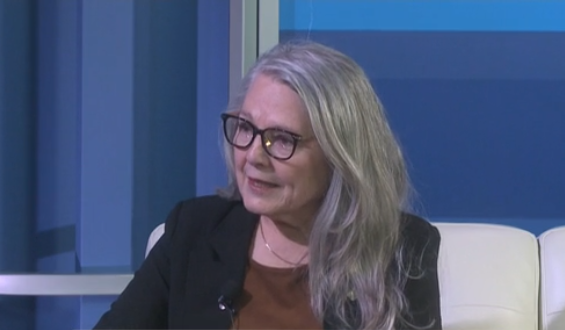
A decade in federal politics is a long period, and sometimes individuals are just done, so it’s possible that the decision wasn’t all that tough. Additionally, there might be more to this than the public statement makes clear.
The major thing that made her parting speech noteworthy was how warmly she addressed Conservative leader Pierre Poilievre, using language that was difficult to misunderstand. She said to the room, “He’s not God, but he’s amazing,” which was the kind of statement that would always go viral. Regardless of how one interprets the politics, it was an exceptionally direct personal endorsement from a leaving colleague, the kind of thing that normally indicates both sincere regard and a deliberate decision about how to utilize a final platform.
A few enduring priorities characterized Wagantall’s ten years in Parliament. She spoke on Wednesday about veterans who are homeless or couch-surfing in Regina and Saskatoon, a detail that landed differently than the typical homage to military service. Veterans’ issues comprised a substantial chunk of her committee work.
Three private member proposals, including the 2016 Cassie and Molly’s Law and a subsequent sex-selective abortion law, addressed violence against pregnant women and women in general. Wagantall openly admitted, without any resentment, that none of them passed. There’s a certain amount of perseverance needed to continue proposing legislation that doesn’t progress, motivated more by conviction in the idea than by concern about the result.
In her parting words, she didn’t avoid discussing the additional aspect of her public persona brought about by the COVID-19 pandemic. She made it clear on Wednesday that her refusal to reveal her immunization status prevented her from working on Parliament Hill at that time. Depending on your position on vaccination requirements, that could be an avoidable self-imposed restriction or a principled stance. Wagantall presented it as the former. She paid a professional price for it, according to the record.
The local Conservative association has already chosen Nelson Pohl as the party’s candidate in the Yorkton-Melville byelection that follows her resignation. The byelection’s date has not yet been determined, and given the electoral calendar, it will mostly depend on when the ruling Liberals choose to call it. There is little debate about the anticipated outcome of any campaign because the seat has been consistently Conservative for years.
Less is known about whether the byelection will garner more attention than expected or whether the Wagantall era in that seat—four terms, eleven years, a steady voice on a certain set of issues—would go quietly. As this chapter comes to a conclusion, there’s a sense that the early, inexplicable departure will leave a question mark longer than a clean departure would have.
