

A lot of people got it when the first episode of Ted Lasso’s long-awaited fourth season started with Jason Sudeikis walking around Kansas City and looking a little lost. Searches for “Ted Lasso Kansas City” went up 600% in just a few days compared to the week before. That number had grown to 2,200% by August 10. The tourism boards woke up. Press emails from travel brands began to come in. The story pretty much wrote itself: a popular show comes back, a popular city gets some attention, and bookings come in. They didn’t, tho. At least not yet.
A quick look at Google Trends shows that things are more complicated than they seem. In that same time frame, searches for “Kansas City MO” went down by 10%. Searches for hotels and flights to the city both went down by about the same amount. It’s clear that millions of viewers were interested in something Kansas City-related, but it wasn’t a weekend getaway they were looking for. It was a tune. Searches for the song “Kansas City” by Marcus Mumford (yes, the British lead singer of Mumford & Sons) went up 300%, and searches for the exact lyric “Going Back to Kansas City” went up a staggering 2,450%. No one was pulling out their travel apps. They were trying to get Spotify.
There’s a lesson about the difference between what people think about culture and what they actually do as consumers somewhere in there. Even if a show makes a city feel magnetic and close, and if it makes you feel the heat of a barbecue joint thru the screen, it won’t change the number of people staying in hotels. It’s a little embarrassing for destination marketers, but it shouldn’t be a surprise to anyone who knows how set-jetting works in real life.
The scenes in Kansas City felt real, not staged, because they were mostly real. Jason Sudeikis, who was born and raised in Kansas City, worked directly with the city’s film office to pick out locations that were important to him. There is the Negro Leagues Baseball Museum, Gates Bar-B-Q, and CPKC Stadium. These weren’t places that were looked for because they were pretty. They were picked because they show the real feel of the area where he grew up. Nedra Dixon, an actor from Kansas City, was brought in just to say the famous Gates greeting, “Hi, may I help you?” She spent almost 18 hours on set for a few seconds of screen time. It’s not a background. That’s skillful work.
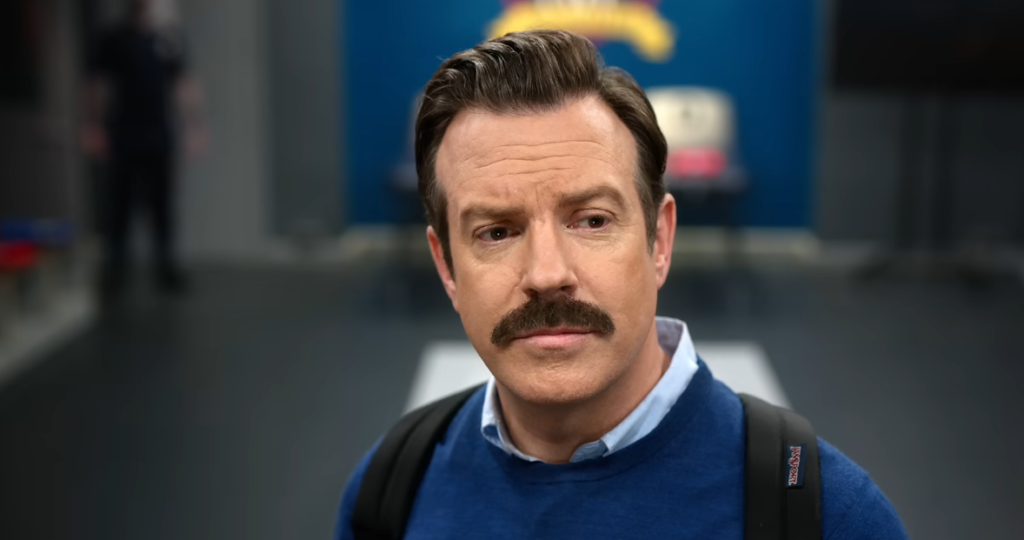
The person in charge of the Kansas City Film Office, Rachel Kephart, has been smart about all of this. Ted Lasso is already being used as an example when she talks about the city’s infrastructure and incentives for future productions, such as cash rebates of up to 12% on qualifying production costs and benefits for hiring locals. No matter what the short-term tourism numbers show, Kansas City may be better off attracting more shoots than more tourists—at least for now.
It’s still not clear if the show will eventually bring real tourists to the city in the same way that Ted Lasso’s filming locations in London brought tourists to Richmond-upon-Thames, which is now on many tourists’ lists along with Buckingham Palace and Westminster Abbey. It takes time to build up that much cultural weight. The way you travel rarely changes after watching just one episode, no matter how well it was shot.
However, one thing is clear: Kansas City doesn’t need Ted Lasso to make the case for them. The city replaced its old, grimy, and barely functional airport terminal with a really impressive one. The streetcars in downtown are free, which might not seem like a big deal until you’re riding from an Art Deco hotel from 1926 to Union Station, which is home to the National World War I Museum and serves as an Amtrak station, food hall, shopping corridor, planetarium, and live theater venue. Any fair measure will show that Arthur Bryant’s burned ends are too good to be true.
Like most good cities, Kansas City has a lot of depth that comes out over time. He thot about it for a moment. It was already worth the trip to see the city.
