

The whole thing has an almost poignant quality. After sitting down to record private conversations for a memoir—conversations about grief, his late son Beau, and the texture of a long political life—a former president, already out of office and thru the worst years of public scrutiny, only to discover those recordings at the center of a federal legal battle years later. It wasn’t a dispute over tapes at first. It began as a book.
Joe Biden met with his ghostwriter, Mark Zwonitzer, in 2016 and 2017 to record the talks that would eventually become Promise Me, Dad, his memoir about family, grief, and his decision not to run for president in 2016. These weren’t on-the-record remarks or press conferences. They were the kind of open conversations people have when they believe no one else is paying attention. Then, years later, special counsel Robert Hur arrived in search of something completely different: proof of Biden’s post-vice presidential handling of classified documents. The Justice Department collected the recordings during that investigation. In the end, Hur decided not to file charges. However, the tapes remained in the hands of the federal government, and that’s where things became complicated.
The Heritage Foundation requested access to the recordings under the Freedom of Information Act. Republicans in the House also did. Biden’s team retaliated, claiming the discussions were private and essentially diary-like reflections that were never intended for public viewing. The legal dispute that ensued proceeded surprisingly quickly thru the federal courts and ultimately resulted in Biden not receiving his desired outcome.
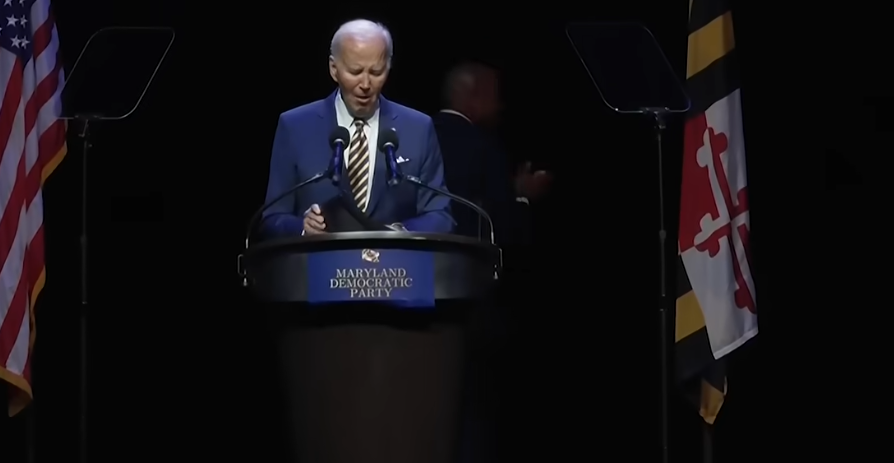
In late July 2026, the D.C. Circuit Court of Appeals ruled 2-1 that any privacy rights Biden could legitimately assert at this time were outweighed by the public interest in learning about Hur’s investigation and his choice not to charge Biden. The majority opinion was written by Judges Gregory Katsas and Sri Srinivasan, who came to the conclusion that making the recordings public was “likely to advance” the public interest. Biden’s own nominee, Judge Florence Pan, dissented, and her argument was well-reasoned and convincing. She pointed out that the conversations took place in Biden’s house, were obtained during a criminal investigation that resulted in no indictment, and that the courts shouldn’t take their release lightly.
The tension in that dissent is difficult to ignore. In essence, Pan was arguing that the public does not have a right to everything simply because they are curious. That’s a fair stance. However, the majority wasn’t wholly incorrect either. The underlying materials do take on some public dimension when a special counsel investigates the behavior of a former vise president for months before publishing a long report about it. Whether anyone wanted it or not, they end up in the investigation’s historical record.
The release was referred to by Biden’s spokesperson as “political retribution” by the Trump administration, which had changed its mind about whether or not to oppose the tapes’ release. That framing isn’t shocking—it’s precisely what you would anticipate from Biden’s camp—but it’s also not wholly incorrect. Under Trump, the Justice Department did make the politically charged decision to cease opposing FOIA requests. It remains to be seen if that alters the legal analysis.
Biden’s legal team withdrew additional appeals after losing at the appellate level. The Justice Department later made the recordings and transcripts public. As was to be expected, the focus quickly shifted to passages that Biden’s detractors claimed showed cognitive slippage or confusion—material that House Republicans and Heritage had been keen to highlight before election season.
Beyond the immediate issue of these recordings, it is less clear what the legal battle actually resolved. When it comes to federal investigations, privacy is always subject to conflicting claims about what the public should know. Biden won’t be the last person to realize that; he wasn’t the first. The most remarkable thing is probably that the recordings that initiated everything—a father and son conversing, a writer and a subject collaborating on a book—ended up having a completely different meaning than either of them had intended.
