

Huw Edwards was the voice that Britain turned to when something significant occurred for more than 20 years. A royal demise. a general election. A historic event. He was anchoring the BBC’s coverage with the kind of steady confidence that viewers grew accustomed to almost instinctively. He was calm, authoritative, and measured. Then everything fell apart in the summer of 2023.
Edwards was not your average TV personality. He was born in Bridgend, Wales, in 1961, and grew up in a Welsh-speaking home that was influenced by academic seriousness. His father was a Welsh-language literature research professor and Plaid Cymru activist. His mother spent thirty years as a teacher. Edwards seems to have carried that background with him; his PhD, which he finished in 2018 after seven years of arduous research on Welsh Nonconformist chapels in London and Llanelli, subtly revealed a man who valued depth. For many who believed they understood him, this made what followed even more confusing.
By all accounts, his career at the BBC was extraordinary. He began as a news trainee in 1984 and progressed through political correspondence, Welsh-language broadcasting, and parliamentary reporting before landing the anchor position at BBC News at Ten in January 2003. At its height, 20 million people watched Prince William and Catherine Middleton’s royal wedding, which he presented. He anchored the coverage of the 2012 Olympic opening ceremony, the coronation of Charles III, and the passing of Queen Elizabeth II. elections. state funerals. celebrations. Almost every major British broadcast moment over the previous 20 years had his name attached to it. The weight of what was concealed beneath that record is difficult to ignore.
The Sun revealed accusations of sexual misconduct against an unidentified BBC host in July 2023. The subject was soon determined to be Edwards. After being suspended by the BBC, he was admitted to the hospital due to severe depression. In hindsight, the initial lack of evidence of criminal activity by the Metropolitan Police and the South Wales Police was not the end of the story. It was merely a prelude to the start of a much more serious chapter.
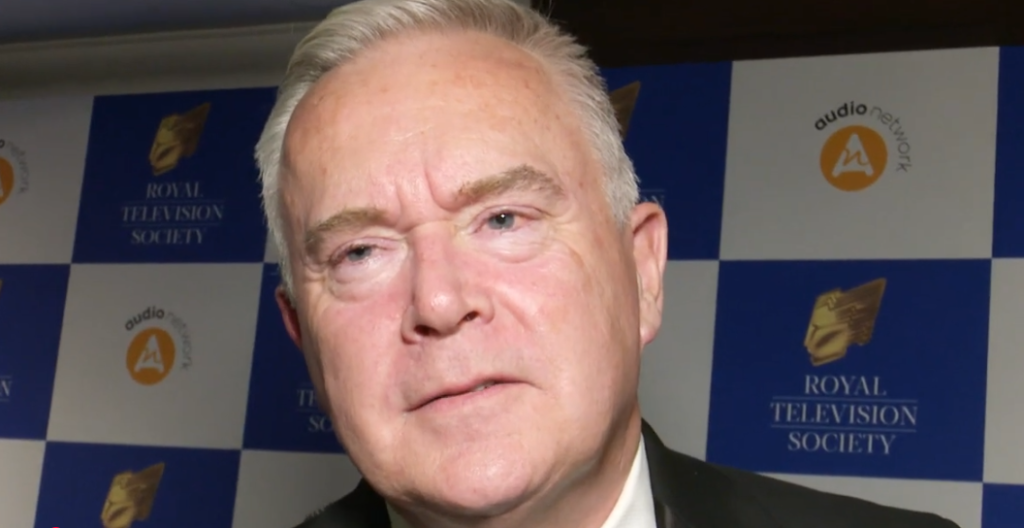
Edwards left the BBC in April 2024. He entered a guilty plea in July of that year to three counts of creating offensive images of children that were obtained through online chats. Seven of the forty-one photos were classified as Category A, which is the harshest category. A child between the ages of seven and nine was involved in some. Additionally, he had exploited a vulnerable adolescent by trading explicit material for tens of thousands of pounds. He was added to the sex offenders’ register and given a six-month suspended jail sentence in September 2024.
In some ways, the events that transpired after his sentencing have caused new unease. Edwards started a blog on Substack where he wrote about mental health and explained how his own collapse was caused, at least partially, by a severe mental illness that compromised his judgment. He claimed to be in a “uniquely qualified position” to discuss the topic. Although he admitted that mental illness “can never be an excuse for criminality,” he implied that it might provide a “justification” for his actions. How that distinction affects the victims and their families is still unknown. Many readers found it difficult to distinguish between an explanation and an excuse.
British broadcasting will eventually have to confront this more general issue. Not just about Edwards in particular, but also about the systems that permit people to remain in institutions for decades without proper scrutiny, especially those with status and prominence. Edwards wasn’t a faceless character in the shadows. The BBC’s most significant broadcasts featured him as their face. It is extremely unsettling how close public trust is to private behavior.
In contemporary television, Huw Edwards created something uncommon: true public credibility. The fact that it concealed something so damaging casts a long shadow over the organization that supported him, but it doesn’t change every broadcast he ever made. Certain legacies do not endure the truth unaltered. He is among them.
