

On Friday, John Bolton stood in a federal courtroom in Greenbelt, Maryland, and made a statement he had long insisted he wouldn’t have to. When Judge Theodore Chuang asked the 77-year-old former national security adviser if he was guilty, he simply replied, “I did, Your Honor.” Then he apologized.
To be honest, it’s an odd image. This man built his entire public persona around never giving up on a fight, whether it was with North Korea, Iran, or ultimately his own former boss. He spent decades projecting certainty. It feels like a tiny fissure in something that has always appeared unbreakable from the outside when you watch him admit guilt, even on a single charge.
Bolton’s alleged diary entries from his time in the White House are among the classified material that is allegedly illegally retained. According to reports, some of that information was later used in his 2020 memoir, “The Room Where It Happened,” which portrayed Trump as uninvolved and ignorant of international affairs. Bolton allegedly sent two family members over a thousand pages of private information via his personal email instead of secure government channels, according to the prosecution. It may not seem important, but that detail is crucial. For a man whose whole career relied on keeping secrets, sending personal emails implies either negligence or a certain assurance that nothing would ever catch up with him.
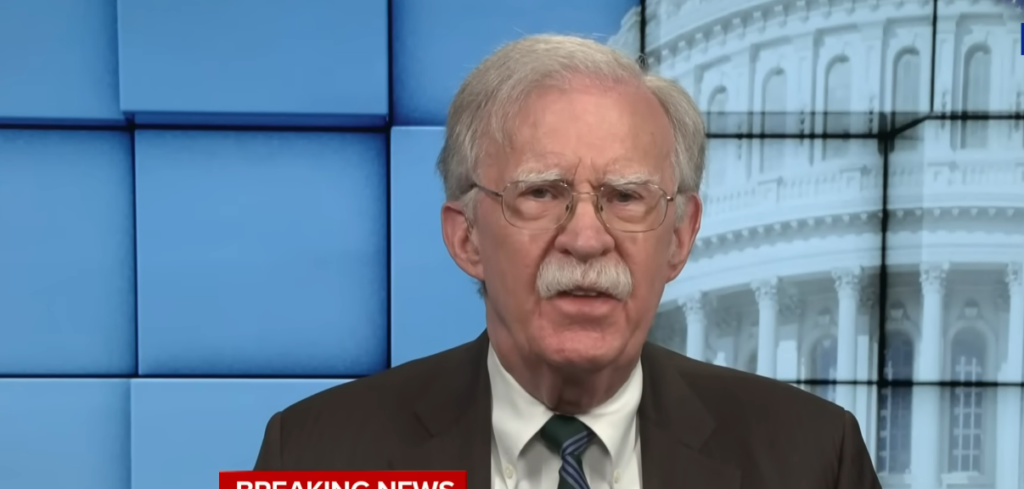
Eventually, something did catch up with him. Shortly after he left office, an actor with ties to Iran allegedly hacked his account, and prosecutors claim he never informed anyone in the government that the compromised account contained information related to national defense. He did not report the contents of the hack, only the hack itself.
Bolton now faces a $2.25 million fine, a five-year prison sentence, and the loss of his federal pension. The date of sentencing is October 28. In addition, he is allegedly required to perform 100 hours of community service and meet with national security officials to go over exactly what he revealed. For what amounts to a single guilty plea, this punishment is remarkably detailed, and it implies that the prosecution had more power than a single charge would suggest.
On Truth Social, Trump swiftly responded, calling his former advisor something akin to a disgrace and expressing his hope that Bolton would be “dealt with harshly.” That reaction is difficult to distinguish from years of mutual disdain. In 2019, Bolton was let go. Since then, he has been one of Trump’s most vocal Republican detractors. Trump has publicly repaid the favor on multiple occasions, including by removing Bolton’s security detail after taking office again.
According to those with knowledge of the case, the strength of the evidence distinguishes this case from prosecutions against other Trump critics. Bolton’s attorney presented the guilty plea as an act of accountability, drawing a clear distinction between it and Trump’s previous classified-documents case, which was dropped following his reelection. Legal observers will continue to debate whether or not that framing holds up under scrutiny for some time.
This is a larger pattern that is worth observing. In recent months, federal charges have been brought against a number of well-known Trump critics, including Letitia James and James Comey. Bolton’s case is more difficult to write off as pure political retaliation because it started earlier, during the previous administration. However, this story will likely remain in the news long after October due to the timing of his sentencing and the public dispute that led to it.
