

Nearly 375,000 bottles of a widely used antidepressant are being pulled from shelves across the United States, and for anyone who fills a monthly prescription for duloxetine, the news is jarring in that specific way pharmaceutical recalls always are — quiet, clinical, and yet somehow deeply personal. Breckenridge Pharmaceuticals, a New Jersey-based company, announced it is recalling both 30mg and 60mg versions of duloxetine delayed-release capsules, the generic form of Cymbalta. The drug is prescribed to millions of Americans managing depression, anxiety disorders, and chronic pain conditions like fibromyalgia.
The recall was initiated on June 4 and remains ongoing, covering multiple lot numbers distributed to pharmacies nationwide. The culprit is a compound called N-nitroso-duloxetine, a member of the nitrosamine family. If that name sounds familiar, it should. Nitrosamines are the same class of contaminants that triggered sweeping recalls of blood pressure medications a few years ago, and later, of Zantac, the once-ubiquitous heartburn drug that ultimately vanished from the market entirely. Classified as probable human carcinogens, nitrosamines don’t cause immediate harm — the concern is cumulative, the kind of risk that builds quietly over months or years of repeated exposure above safe thresholds.
The FDA found levels of the compound in tested capsules that exceeded what the agency considers acceptable. The specific lots affected include 30mg capsules with lot code 241180C and an expiration date of April 2027. On the 60mg side, two lots are involved: lot number 230286C expiring February 2026, and lot number 24072lC expiring February 2027. Patients holding bottles from any of these lots are being urged to contact their doctor or pharmacist — not to simply stop taking the medication on their own.
That last point matters more than it might seem. Duloxetine is an SNRI, a type of antidepressant that, when stopped abruptly, can cause what clinicians call discontinuation syndrome — dizziness, nausea, electric shock-like sensations sometimes described as “brain zaps,” and a return of the very symptoms the drug was managing. The recall creates a real bind for patients: the pills may carry elevated cancer risk, but stopping cold carries its own immediate consequences. It’s the kind of situation that exposes a gap in how recalls communicate urgency to people who are, by definition, managing vulnerable health conditions.
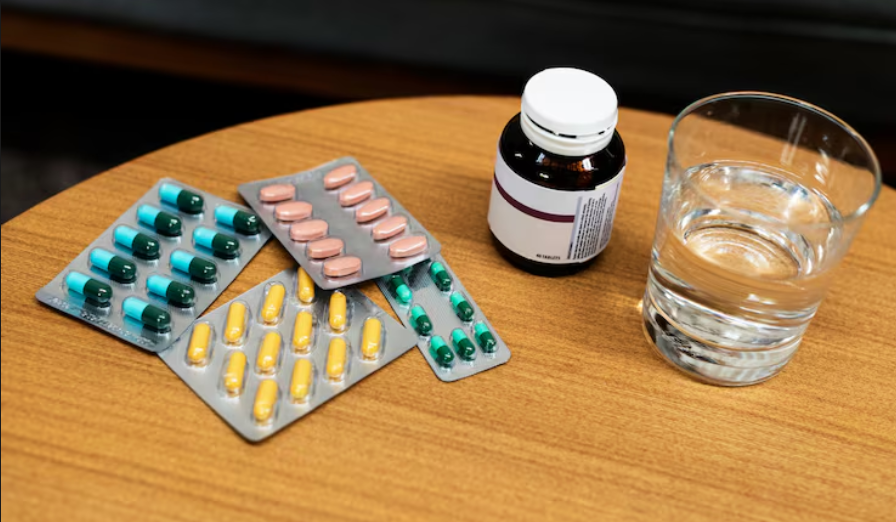
The pills themselves were manufactured in Spain by Towa Pharmaceutical Europe before being distributed in the U.S. by Breckenridge. That detail matters in the broader conversation about generic drug supply chains — a conversation the pharmaceutical industry has been quietly having for years, accelerated by COVID-era shortages and a growing awareness that much of what Americans swallow each day is made abroad, inspected at distance, and trusted through paperwork as much as direct oversight. The FDA has designated this a Class II recall, meaning the agency believes the product “may cause temporary or medically reversible adverse health consequences.” It’s a step below the most severe classification, which offers some reassurance — but only modest.
The honest read here is that regulators don’t yet fully understand the long-term cancer implications of intermittent nitrosamine exposure at these levels. That uncertainty is uncomfortable, and it’s probably fair to sit with it rather than smooth it over. Healthcare providers and pharmacists are being asked to check inventory against the affected lot numbers and follow FDA guidance on returning or disposing of the recalled product. For patients, the immediate step is simple enough: check the bottle, call the pharmacy, and don’t make any medication changes without talking to a doctor first.
