

The first tornado struck just south of Clinton at 6:03 on a Wednesday night in April, close to the expansive, serene Harry S. Truman Reservoir shoreline. The aircraft was an EF-1. As it crossed East Calvird Road and headed northeast into the city, the wind reached 98 miles per hour. It followed a 2.5-mile route until weakening to an EF-0 close to East Clinton Street.
The same spinning storm cell produced a second tornado six minutes later, this time in the northern section of town, close to East Lincoln Street. EF-0, less than a minute on the ground at 70 mph. By 6:15, two distinct confirmed tornadoes had hit Clinton, Missouri; however, due to a mix of good fortune, early warning, and a town that seemed to know how to seek shelter, not a single person had been hurt.
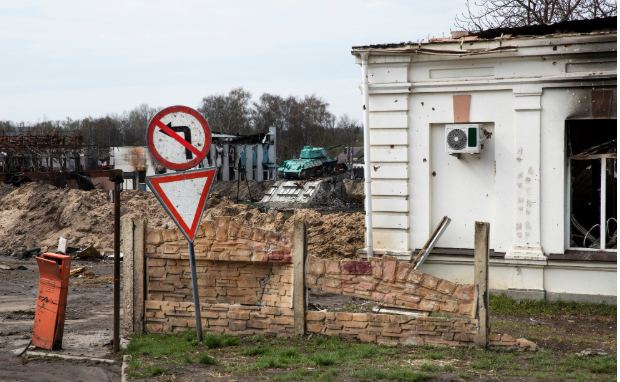
After survey workers examined the damage, the National Weather Service confirmed both tornadoes on April 16. What they discovered described the effects of 98 mph winds on a working community. A storage warehouse close to American Building Products was destroyed to rubble. Two storage tanks for diesel were overturned.
Stretches of Clinton remained black into the evening as power poles broke along their tracks, knocking down lines in several areas of the city. On the southeast side of town, trees fell on residential lots. They weren’t dramatic enough to make TV news, but they were heavy enough to smash fences, trap driveways, and leave people staring at the issue of a forty-year-old oak that was lying across from where their car used to park.
The schools also suffered harm. Both Clinton Intermediate School and Henry Elementary School experienced roof problems, but they weren’t the kind that make headlines; rather, they were the kind of damage that is substantial enough to need assessment before allowing several hundred kids back inside.
Overnight, the school system decided to switch to an AMI day, which in Missouri refers to remote instruction via alternate learning plans that districts must put in place for precisely these circumstances. It’s a workable approach, and Clinton’s district’s ability to execute it with little noticeable disruption speaks something about their level of preparation. It’s likely both a result of careful planning and a familiarity with inclement weather in this region of Missouri.
Clinton is located in Henry County in south-central Missouri, in that broad region of the American interior where spring storms frequently pass through and locals typically have a casual attitude toward severe weather. Not that tornadoes are anticipated. More than anything, they’re not totally unexpected. Locals who have lived here long enough have witnessed this happen before.
The Truman Reservoir, which is located just south of town, offers storms a lengthy, unhindered run over open water before they impact residential ground. Before the rotation started to slow down, the EF-1 landed very near that seashore, intensified as it moved into the built environment, and focused its worst energy on the buildings close to East Calvird Road.
What transpired in the hours following the storm had the feel of a well-organized community. The Missouri State Highway Patrol secured the impacted highways in a timely manner. The first response was handled by local emergency managers.
Volunteers arrived to assist in removing fallen trees from residences that had been directly impacted; this type of neighbor-helping-neighbor action may seem corny from the outside, but it is actually what happens in small towns when something similar occurs. The chainsaw-wielders emerged. The truck drivers backed up to curbs. The roads were mostly clear by the following morning.
