

One version of Apple’s leadership transition narrative focuses almost solely on John Ternus taking over and Tim Cook resigning. That is not a complete version. A 62-year-old Haifa engineer who has been developing the company’s most important technology since 2008 was quietly given control of Apple’s entire hardware operation, including chips, sensors, cameras, batteries, displays, cellular modems, and the physical engineering of every product Apple produces, on the same day the company announced its biggest executive change in fifteen years. The elevation of Johny Srouji to Chief Hardware Officer is an important part of the bigger picture. It might be the most important part.
When Srouji joined Apple, the company was still totally reliant on outside silicon, including chips from other vendors, processors from Samsung, and a supply chain that left Apple vulnerable in ways that a business with its aspirations couldn’t sustain. All of that changed in 2008 when he was appointed leader of the A4 chip. Both the iPhone 4 and the original iPad were powered by it. It was the first time Apple used its own silicon in a product, and it sparked 15 years of in-house chip development that has since revolutionized the capabilities of consumer electronics hardware. Mac computers’ M-series chips frequently outperform processors made by businesses that have been producing them for decades. There isn’t much competition for the A-series chips found in iPhones. Srouji’s teams created the architecture that powers the neural engine work that powers Apple’s AI features. All of that stems from a single choice made in 2008 to hire an engineer from IBM and Intel and ask him to create something completely different.
The Hardware Technologies group he previously led, which was in charge of silicon and component-level engineering, and the Hardware Engineering group, which had been Ternus’s domain and was in charge of transforming those components into final products, are now combined into his expanded role. It is a structural statement to combine them under one individual. Formally and internally, Apple is stating that it is no longer helpful to maintain the distinction between designing a chip and designing the device that uses it. Now that everything is integrated, one person should be in charge of the entire integration process. It’s possible that this reorganization has been in the works for years, waiting for the ideal opportunity to be formally announced.
| Category | Details |
|---|---|
| Full Name | Johny Srouji |
| Year of Birth | 1964 |
| Age | 62 |
| Birthplace | Haifa, Israel |
| Nationality | Israeli (Arab Israeli) |
| Education | B.S. and M.S. in Computer Science, Technion – Israel Institute of Technology |
| Prior Career | Senior roles at Intel and IBM (processor development and design) |
| Joined Apple | 2008 |
| Previous Title | Senior Vice President, Hardware Technologies |
| New Title | Chief Hardware Officer (effective immediately, April 20, 2026) |
| Scope of New Role | Hardware Engineering + Hardware Technologies (both divisions combined) |
| Key Achievements | Led development of A4 chip (Apple’s first custom SoC); oversaw entire Apple Silicon transition; responsible for chips, batteries, cameras, displays, sensors, cellular modems |
| Reports To | Incoming CEO John Ternus |
| 4,700+ followers |
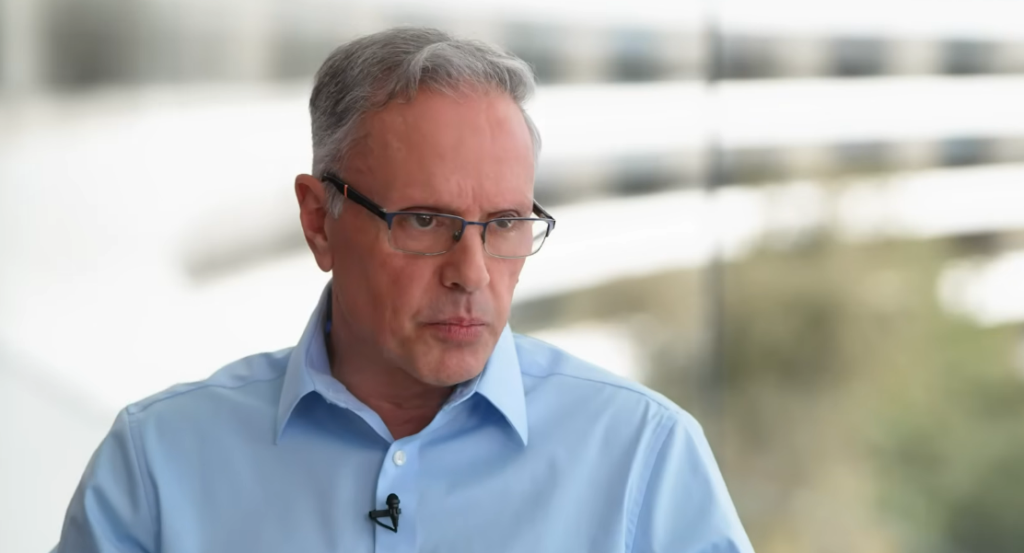
In the statement that accompanied the announcement, Tim Cook called Srouji one of the most talented people he has ever worked with. Cook, who carefully selects his words, does not use this description lightly. This appointment has significant cultural significance as well, which merits recognition. Growing up in Haifa, Srouji attended one of the top technical universities in the world, Technion, and developed his career at IBM and Intel before joining Apple. By training and background, he belongs to a generation of engineers who were raised in demanding technical programs during a period when such training was actually uncommon. It’s not insignificant that he now manages the hardware strategy of the world’s most valuable company from a Cupertino campus.
As the larger picture of Apple’s leadership emerges—Cook becoming executive chairman, Ternus taking over as CEO, and Srouji taking over the entire hardware responsibilities—it seems that this was not put together in a hurry. The components fit together with the level of accuracy you would anticipate from a business that creates its own lock screws. Ternus will be in charge of the CEO position’s more general strategic and public-facing duties. It is clear from all the evidence that Srouji prefers to keep his head down and build things.
The same questions that follow Apple in general also follow him into this expanded role: how aggressive will the company be in creating its own AI hardware? Will Qualcomm eventually be completely replaced by cellular modem technology, which is already developing under his organization? Is it possible for Apple’s chip advantage to carry over into the next category of devices? Throughout his career, Srouji has provided answers to questions that many weren’t confident Apple could provide. Although it is not certain, it seems reasonable to anticipate that pattern continuing.
