Charm necklaces and bracelets are sold by a small jewelry company called Coastal Caviar in Boston’s Seaport neighborhood, which is the kind of waterfront area that smells like freshly poured concrete and salt air. Like many coastal New England aesthetics, the pieces are layered, casual, and close to the ocean. Since late 2023, the brand has been steadily expanding thanks to its founder, a woman named Kelly, who primarily used Instagram and TikTok. Then, in January 2026, a lawsuit was filed in a Philadelphia federal court, and the story went viral online.
Lagos, Inc., a jewelry company that has been selling its iconic “Caviar” line since 1989 and has had a federal trademark registration for that word in relation to jewelry since 1992, is the plaintiff. Over the course of three decades, the company has reportedly made over $250 million in sales of Caviar jewelry and spent over $40 million on advertising. Lagos’s Caviar collection is textured and beaded to resemble fish roe. The trademark is not a lighthearted assertion. It is the brand’s central component.
Lagos did what is typically expected of big businesses with registered trademarks when it saw Coastal Caviar launch and expand online: it objected. Beginning in December 2024, it began sending letters. Coastal Caviar answered. Up until July 2025, more letters were sent. Lagos filed a lawsuit on January 23, 2026, in the Eastern District of Pennsylvania, where the business is located, seeking injunctive relief and damages for trademark infringement after those letters failed to settle the dispute.
The response on social media was instantaneous and predictable. Kelly explained the circumstances in a heartfelt TikTok video. Watching it, tens of thousands of people expressed strong animosity toward Lagos and rallied around the notion of a small creator being crushed by a big corporation. According to reports, the brand’s comment sections had to be disabled. Online, the story quickly took on a recognizable form: a large brand intimidating a small handmade company with a single word.
The complicating detail followed. In late 2024, Coastal Caviar submitted a trademark application. The application was rejected by the USPTO. Lagos’s current registration was the reason for rejection. Coastal Caviar retained the name and carried on selling under it despite abandoning the trademark application. The tone of online discourse began to change when that timeline emerged, shared in part by trademark attorneys who discovered the public filing. Regardless of one’s opinion of trademark law, it is challenging to characterize a company’s continued use of a name after being officially informed that it conflicts with an existing registration as solely the result of corporate overreach.
One Word, Two Brands, and a Very Loud TikTok: The Real Story Behind the Coastal Caviar Lawsuit
| Case Name | Lagos, Inc. v. Coastal Caviar, LLC |
|---|---|
| Case Number | 2:2026cv-00447 |
| Court | U.S. District Court, Eastern District of Pennsylvania |
| Presiding Judge | District Judge Cynthia M. Rufe |
| Plaintiff | Lagos, Inc. |
| Defendant | Coastal Caviar, LLC |
| Nature of Suit | Trademark Infringement (15 U.S.C. § 1051) |
| Complaint Filed | January 23, 2026 |
| Lagos “Caviar” Trademark First Used | 1989 |
| Lagos “Caviar” Federal Registration | 1992 (U.S. Registration No. 1,703,128) |
| Lagos Caviar Sales (Reported) | Over $250 million |
| Lagos Advertising Investment | Over $40 million |
| Lagos Description of “Caviar” Style | Fish-roe-like beading texture; distinctive textured jewelry design |
| Coastal Caviar Founded | Started selling under “Coastal Caviar” mark December 2023 |
| Coastal Caviar Location | Boston Seaport neighborhood; second location planned |
| Coastal Caviar Products | Handcrafted charm necklaces and bracelets; mostly under $200–$300 |
| Lagos Price Range | Many pieces cost thousands of dollars |
| Coastal Caviar Trademark Application | Filed 2024; refused by USPTO based on Lagos prior registration |
| Coastal Caviar’s Response to Refusal | Abandoned application but continued using the name |
| Lagos Relief Sought | Broad injunctive relief, profits, and other remedies |
| Fact Discovery Deadline | July 30, 2026 |
| Dispositive Motions Deadline | October 15, 2026 |
| Coastal Caviar’s “Caviar” Concept | Ocean-inspired (coastal lifestyle) |
| Lagos’s “Caviar” Concept | Beaded texture resembling fish roe |
| Possible Outcomes | Rebranding by Coastal Caviar; or negotiated coexistence agreement |
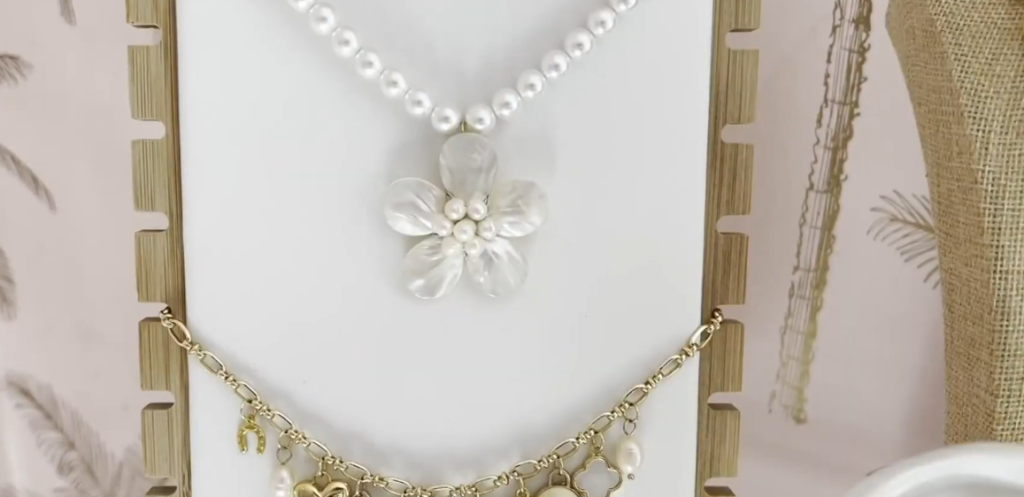
However, the case is truly not straightforward, so it’s important to be honest about the legal complexity here. Lagos’s “Caviar” trademark describes a particular type of textured beading that has an aesthetic similar to fish roe. The term is used in a conceptually different way by Coastal Caviar; it has nothing to do with texture or fish, but rather with a coastal way of life and ocean imagery. When a mark is suggestive or possibly descriptive of a product’s features, it may receive less protection than a mark that has no connection to the goods at all, according to trademark attorneys who have publicly examined the case. The question of whether customers would genuinely confuse a $200 charm necklace with a $2,000 Lagos beaded bracelet is genuinely unclear, and Lagos cannot claim unrestricted rights over every jewelry brand that uses the word caviar in any context.
When analyzing trademark confusion, price point is important. Lagos’s products can cost thousands of dollars, whereas Coastal Caviar’s are much more affordable. The two brands operate at very different market levels. Before making a purchase, consumers who spend several thousand dollars on jewelry typically conduct extensive research. A court will have to consider the possibility of actual confusion between these two brands, which cater to different consumer segments through distinct aesthetics. A well-crafted coexistence agreement that restricts Coastal Caviar’s use of the term in specific product categories or price points may be a more practical solution than a complete rebranding or a protracted legal battle, according to some trademark legal observers.
Watching this unfold gives me the impression that the underlying story has been somewhat overlooked by both the initial outrage and the subsequent backlash. Lagos’s trademark rights are valid. It’s possible that Coastal Caviar decided to move forward despite warning indications of actual risk, such as a formal USPTO rejection. However, the case’s legal merits are still genuinely unresolved; the fact discovery deadline of July 2026 indicates that neither party is considering a speedy resolution. The Boston Seaport store is still open and is reportedly still known as Coastal Caviar for the time being. We’ll have to wait and see how the courts define what “caviar” in jewelry actually means, depending on who is wearing it.