

Apple has ended an era quietly and begun a new one. No more new members can join the iPhone Upgrade Program. It was a familiar and almost easy way for millions of Americans to get a new iPhone every year. The new program is called Apple Upgrade, and it’s backed by Klarna. It works very differently, even though the monthly payment structure might look familiar at first.
The difference between them is more important than Apple’s ads might make it seem.
With the old iPhone Upgrade Program, you could pay over time for an item. It cost less to buy the phone with each payment, and after 24 months, you owned the thing. It came with AppleCare and was financed through Citizens One. The whole process felt pretty simple, more like a car loan than a rental car. A lot of people liked how clear it was.
Apple Upgrade is set up in a different way. Klarna owns the device during the lease term, which for iPhones and Apple Watches can be 12 or 24 months and for Macs and iPads it can be 24 to 36 months. When that time is up, customers can either return the device, exchange it for a newer one, or pay a separate fee to own it. If they don’t do anything, the lease changes to a month-to-month agreement for up to six months, with possibly higher payments. This part is easy to miss in the fine print. Any agreement Klarna gives you should be read carefully before you sign it.
In this case, it seems like Apple is taking a page from the auto industry, and it’s not a coincidence. The idea of paying $17.99 a month for an iPhone sounds good, and it’s true that these payments are less than what the iPhone Upgrade Program cost. But they’re lower in part because you’re not paying off the whole device’s value. It costs money for you to use it. The buyout amount at the end of the lease is what fills in the blanks, just like when you decide to keep your car after leasing it.
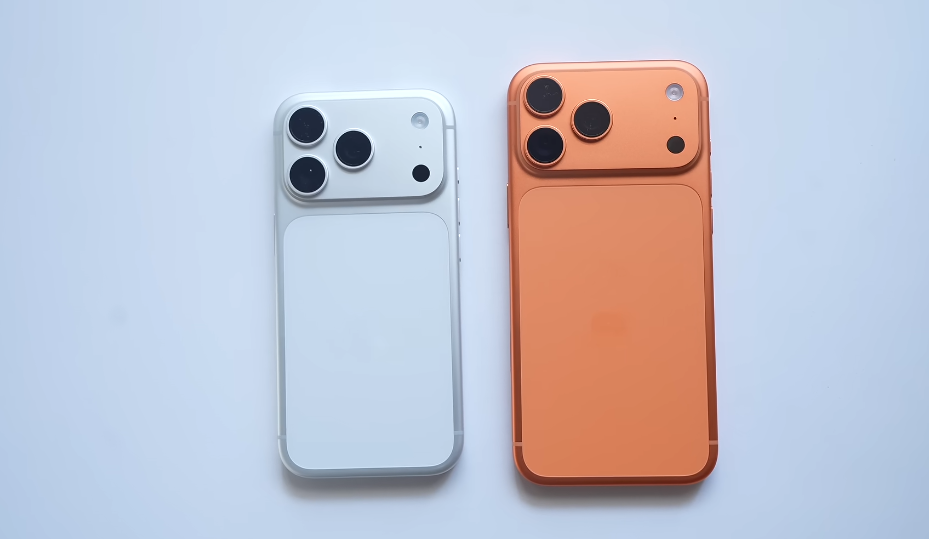
Under the old program, AppleCare was required, but now it’s not. That changes the math for each month and puts some risk on the customer. When you rent a phone that you might break, drop in a pool, or give to your child without damage protection, it seems like a good idea at first. It’s possible to add it, and if you’re renting a device that you don’t legally own, that’s probably something you should give some thought to.
Apple Upgrade isn’t just for the iPhone, which is a really new feature. The old app only worked on iPhones. Now you can lease an iPad, a MacBook, or an Apple Watch all at the same time. For someone who updates a lot of devices all the time, that’s a real extension of the idea. It depends on how long you usually keep hardware and how much you’d pay for the device itself to see if it’s a better deal.
It’s still not clear how people will react if this is clearly marketed as a lease instead of a loan. In terms of how they make people feel, those are different for many. When you own something, even if you’re still making payments on it, it has more weight than when you rent it forever. Given how the economy has been moving, Apple is probably right to believe that enough customers value lower monthly costs and easy upgrades over owning a product in the long term.
There are no changes right away for people who are already in the iPhone Upgrade Program. Existing members can keep making payments until they can upgrade. Once they can, they can do so in a few different ways: they can join Apple Upgrade, use Apple Card Monthly Installments if they’re available, buy the phone outright, or go through a carrier. It feels like the change is well-planned and easy, which is pretty much the best thing that can happen when a show you liked ends quietly.
You should think about this simple question: do you want to own your iPhone or just use it?
