

When a food recall starts in April but doesn’t reach most customers until months later, it’s a little unsettling. That’s about where things stand with the Lundberg Family Farms jasmine white rice recall. It began as a voluntary recall but has since grown into an FDA-wide notice that affects more than 27,000 packages sent to at least eleven states.
The recall is for 32-ounce packages of Lundberg Family Farms Jasmine White Rice with the UPC code 073416040281 and lot numbers 260201MA or 260202MA. The best-before dates for these packages are in February 2027. That sounds very specific, but that’s because the problem was limited to a single production run. This could be seen as either a sign of relief or a reminder of how quickly these problems can spread without anyone noticing.
The FDA called this a Class II recall, which means that the agency thinks there is a real health risk from eating the recalled product, but that the effects will probably only be short-term or can be fixed medically. As of now, no illnesses have been reported. But even so, that shouldn’t make anyone feel completely at ease about a basic food that has been sitting in the pantry for months.
What is less clear, and really annoying, is what kind of contamination it is. There is a problem with “foreign material,” which could mean a lot of different things in the FDA notice. Lundberg Family Farms hasn’t said anything official about it. It’s possible that this is a small flaw, like a piece of plastic or a mistake made during the process. There may also be information that hasn’t come to light yet. The unclear part just sits there, unanswered.
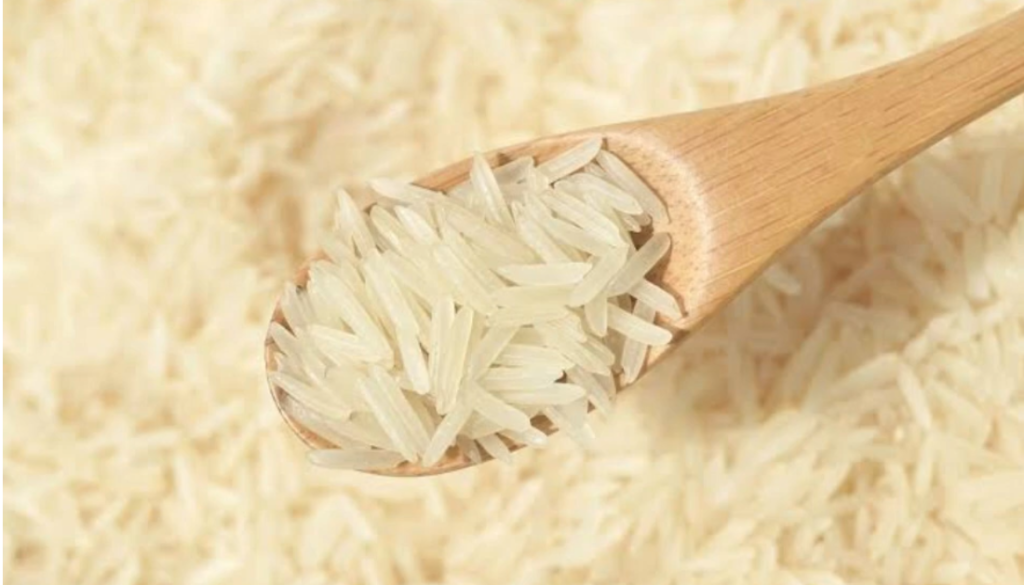
A lot more stores are affected by this recall than most customers think. The packages that were harmed were sold at Wegmans, Target, Walmart, Whole Foods, and Giant. They were part of a distribution chain that goes from California to Connecticut and includes Florida, Illinois, New York, Pennsylvania, North Carolina, New Hampshire, Tennessee, Vermont, and Wisconsin. Customers of Wegmans can return the item and get their money back in full. People who bought from Target or Walmart are told to contact those stores separately. Depending on how each store works, this may or may not be an easy process.
It’s important to notice a bigger pattern here. Wegmans first told people about this recall in April 2026, after Lundberg chose to mark some packages as dangerous on his own. It took months from the first warning sign to a full FDA notice. This timeline brings up the same kinds of questions that people who care about food safety have been asking about the recall system for years. During that time, how many people ate this rice? No one is putting it.
For their part, Lundberg Family Farms has said that this does not affect any of their other rice products. The company has a long history of making organic and health-conscious products. When things like this happen to brands that built trust around quality, they are taken more seriously. That aspect of reputation is important.
For now, the instructions are easy to understand. Look at the box. The UPC and lot number should match. If it fits, don’t eat it; throw it away or return it to get your money back. Anyone who wants to check directly with the FDA can find all the information on their website.
A quiet voluntary recall, an expansion months later, a classification that sounds technical enough to be manageable, and a lot of unanswered questions about what exactly ended up in the food. It’s hard not to notice how often these stories go in the same pattern. The White Rice Recall 2026 is not a big deal. But you should pay attention, especially if you already have that bag in the kitchen.
