

Like most food safety alerts, the recall notice came as a quiet surprise: a few paragraphs on a government website full of store numbers and cut names that most shoppers have never heard of. But what the U.S. Department of Agriculture said at the end of May was not normal. A recall was made on almost 30,000 pounds of raw beef that came from Argentina and was sent to stores and distributors in Texas and Florida. The reason is that the goods came into the US without going through the required re-inspection process.
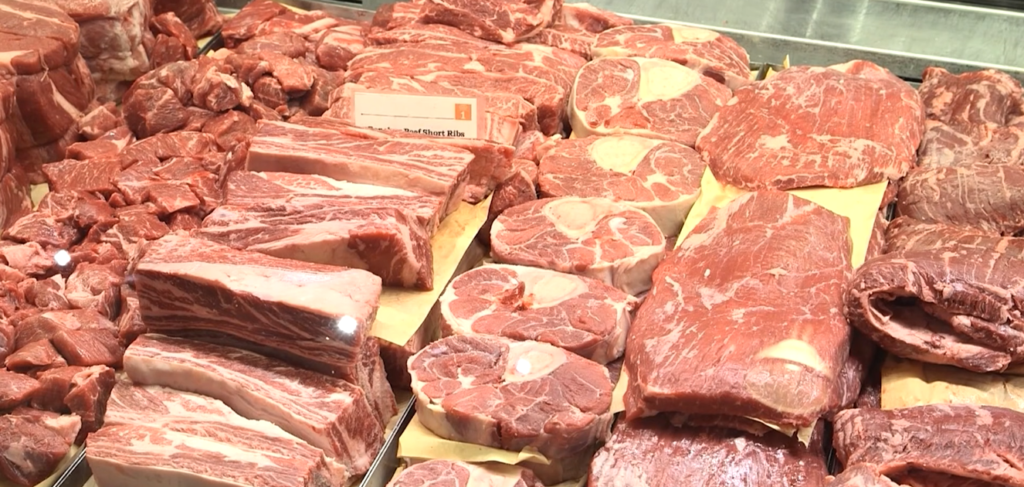
Corte Argentino USA LLC, a company with its main office in Aventura, Florida, started the recall of 29,628 pounds of beef made in Argentina by Frigorifico Gorina SAIC. The cuts used are boneless top sirloin butt, eye round, topside cap off, flat, and knuckle. You can find these cuts in grocery stores, butcher shops, and restaurant kitchens. Use-by dates on goods run from September 15, 2026, to September 20, 2026. That means that some of this beef could still be in someone’s freezer right now.
It’s not just the missed inspection step that makes this recall strange. The event was labeled a Class I health hazard by the USDA’s Food Safety and Inspection Service. This is the agency’s highest risk category, which is only used when there is a good chance that eating the product could seriously hurt or kill someone. Still, the recall notice didn’t name a specific contaminant. There is no pathogen. No illness has been proven. Just a check that never took place.
Food safety expert and professor Dr. Darin Detwiler thought that mix was worth looking into. He said that regulators don’t just give out Class I designations for no reason. Someone thought about the level of risk and decided on it, even if they didn’t name a specific threat. He thinks that skipping the inspection process is more than just a lack of paperwork; it takes away a level of safety that is there because something could be wrong. Just because there isn’t a known problem doesn’t mean there isn’t one. That means no one looked.
The FSIS said that the problem was found during regular inspections. Not a single confirmed case of illness has been linked to the recalled beef. People who bought the affected products are being told by the agency not to eat them and to either throw them away or take them back to the store. It’s still not clear which stores sold the beef; distribution lists were supposed to be posted as soon as more information came in.
The time of the story made it more interesting. About 24 to 48 hours after the recall was made public, President Trump announced a plan to temporarily bring 300,000 metric tons of foreign ground beef into the U.S. market over the course of 90 days. The beef will be sold at prices about 25% lower than the current market prices. The government said it wanted to lower record-high beef prices and give the American herd time to get better. The president did not say which country would supply the extra beef.
There was immediate pushback from cattle groups. At a time when U.S. cattle supplies are already historically low, the National Cattlemen’s Beef Association warned that imports at prices below market could hurt U.S. producers. The US Cattlemen’s Association expressed worries about the market and food safety. Because of its ranching culture and the political weight of its cattle industry, Texas became a very controversial place for the debate.
It seems like people are talking about the two events together in ways that aren’t entirely accurate. This is something that needs to be said with care. The recall is because of a specific violation during a reinspection and not because of the plan to bring in more goods. They are not the same thing. But because the two events happened at about the same time, it’s been hard for regular people to tell what to think about them, and online debate hasn’t helped much either.
It’s possible that the confusion is just a result of how these stories land at the same time—one is about government and the other is about politics—both have to do with foreign beef and affect two of the states that depend on it the most. For people in Texas and Florida who bought Argentine cuts this spring, the answer is simple: check the dates and the packaging. If you’re not sure, don’t eat it.
